Plants in Religious Scriptures
Explore plants mentioned in the Qur'an, Bible, Hindu scriptures, Buddhist traditions, and other cultural and religious traditions.
Explore This Collection →Explore plants through botanical collections, religious scriptures, cultural traditions, and scientific classifications.
Discover plant identities, scientific names, native regions, traditional uses, cultural significance, and educational information.
The Plant Library brings together plants from different perspectives. Explore plants associated with religious scriptures and cultural traditions, browse botanical collections, or discover plants organized according to scientific characteristics.
Explore plants mentioned in the Qur'an, Bible, Hindu scriptures, Buddhist traditions, and other cultural and religious traditions.
Explore This Collection →Explore plants organized into practical botanical collections, including plants commonly encountered in food, medicine, agriculture, nature, and everyday life.
Explore This Collection →Explore plants organized according to scientific characteristics, classification, and specialized botanical categories.
Explore This Collection →Explore individual collections
Discover plants mentioned in the Holy Qur'an, Bible, Hindu scriptures, Buddhist traditions, and other cultural traditions. Explore their botanical identities, historical context, cultural significance, and educational information.
Explore plants and plant products mentioned in the Holy Qur'an and learn about their botanical identities, historical context, cultural significance, and related educational information.
Explore Qur'anic Plants →Discover plants referenced in the Bible and explore their botanical characteristics, historical context, geographical origins, traditional uses, and cultural significance.
Explore Biblical Plants →Explore plants associated with Hindu scriptures and traditions, including their botanical information, historical background, cultural importance, traditional uses, and religious significance.
Explore Hindu Plants →Learn about plants associated with Buddhist traditions, teachings, and historical narratives while exploring their botanical and cultural significance.
Explore Buddhist Plants →Explore the relationship between plants and human cultures, including Indigenous traditions, traditional knowledge, historical practices, and other cultural connections with plants.
Explore Other Traditions →Explore plants by their botanical and practical characteristics. Browse collections of flowers, trees, herbs, fruit plants, crops, succulents, and ornamental plants.
Choose a collection to discover plants and learn more about their characteristics, uses, and diversity.
Explore flowering plants and discover their botanical characteristics, diversity, uses, and importance in nature and human culture.
Explore Flowers →Discover trees from different regions and environments, including their botanical identities, ecological roles, uses, and cultural significance.
Explore Trees →Explore herbaceous plants and learn about their botanical characteristics, traditional uses, culinary importance, and cultural history.
Explore Herbs →Discover plants that produce edible fruits and explore their botanical characteristics, cultivation, nutritional importance, and uses.
Explore Fruit Plants →Explore grasses and important crop plants that contribute to agriculture, food systems, ecosystems, and human civilization.
Explore Grasses & Crops →Discover succulent plants adapted to storing water and surviving in environments where water availability can be limited.
Explore Succulents →Explore plants grown for their flowers, foliage, form, colour, fragrance, and decorative value in gardens and landscapes.
Explore Ornamental Plants →Explore plants according to scientific, ecological, environmental, and practical characteristics. These collections highlight plants with particular properties, habitats, conservation concerns, or biological importance.
Choose a scientific collection to explore plants and learn more about their characteristics.
Explore plants traditionally or scientifically studied for medicinal properties, with information presented from botanical, historical, and scientific perspectives.
Explore Medicinal Plants →Learn about plants containing naturally occurring toxic compounds and explore their identification, biological characteristics, and safety information.
Explore Poisonous Plants →Discover plant species facing conservation challenges and learn about their habitats, ecological importance, threats, and conservation efforts.
Explore Endangered Plants →Explore plants adapted to freshwater or aquatic environments and learn about their characteristics, habitats, and ecological roles.
Explore Aquatic Plants →Discover plants adapted to tropical environments and explore their botanical diversity, habitats, uses, and ecological importance.
Explore Tropical Plants →Explore plants adapted to dry environments and learn how they survive limited water, high temperatures, and challenging environmental conditions.
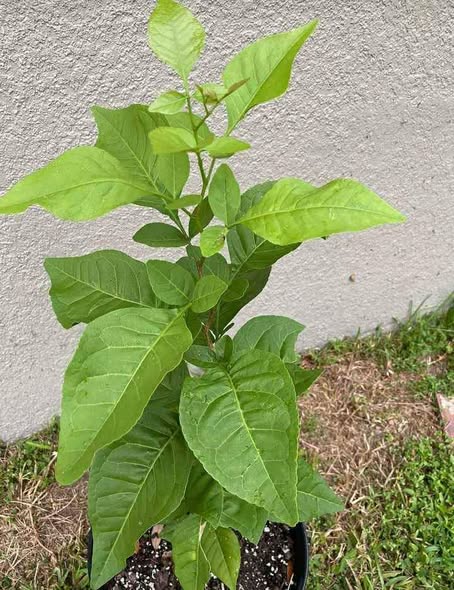
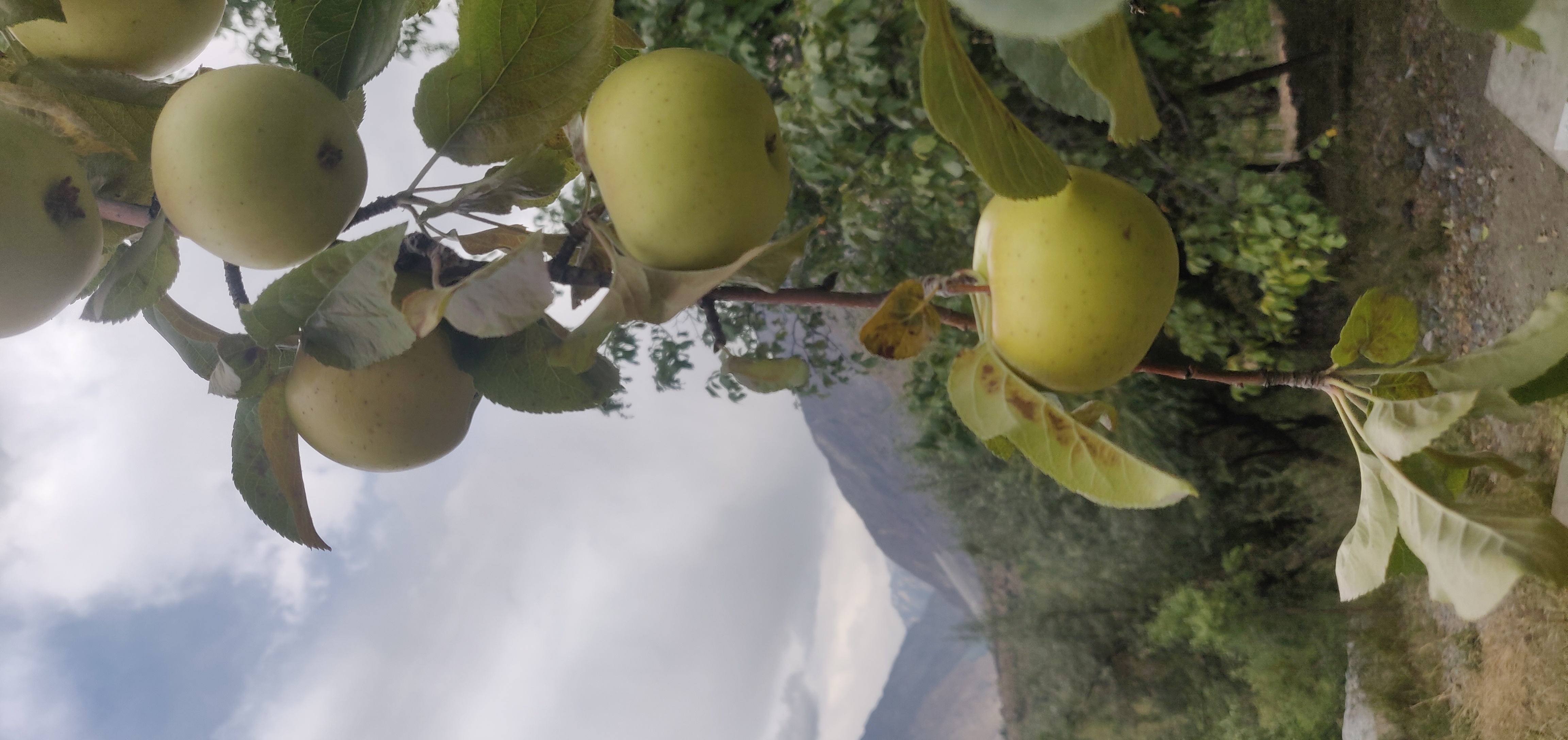
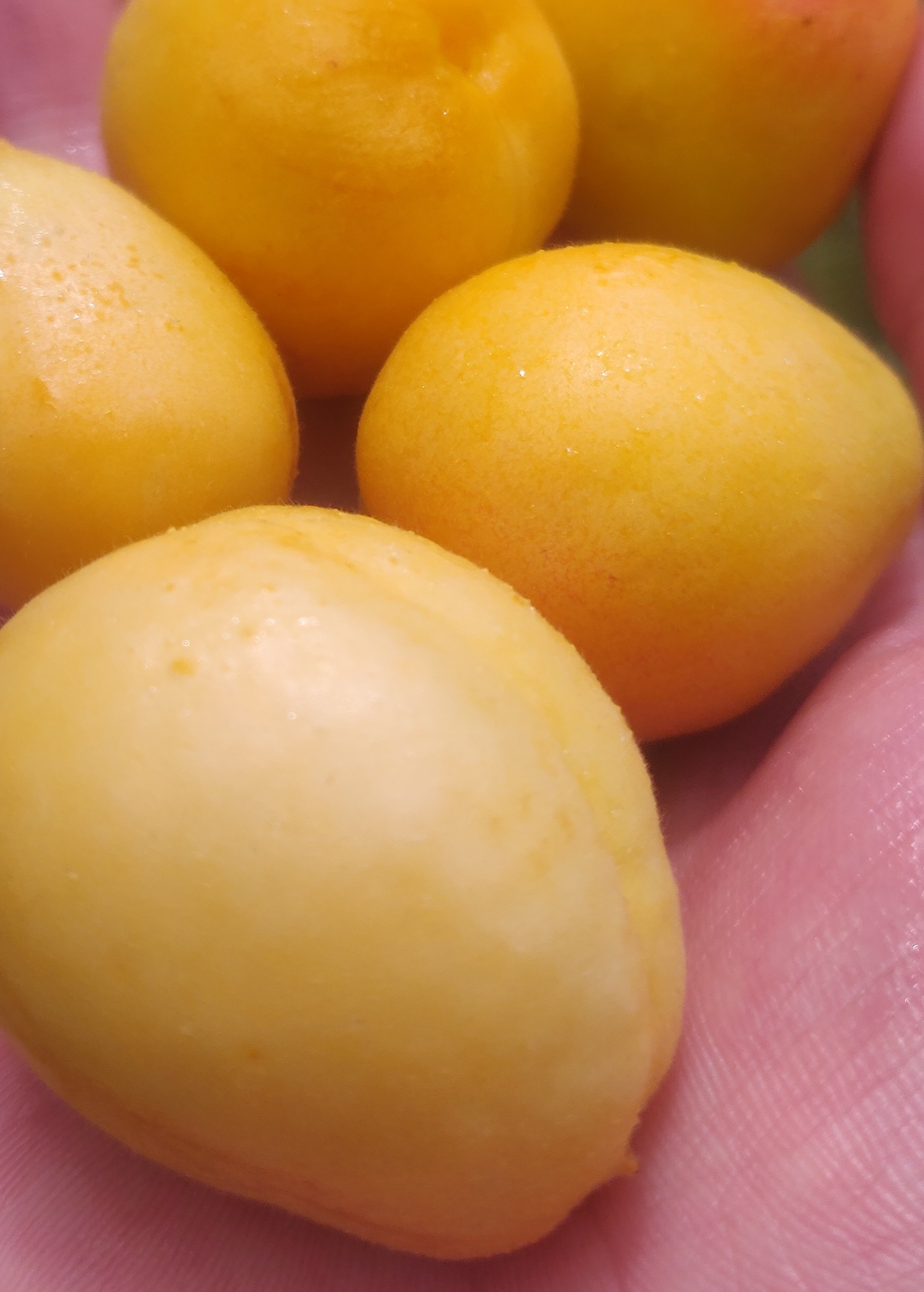
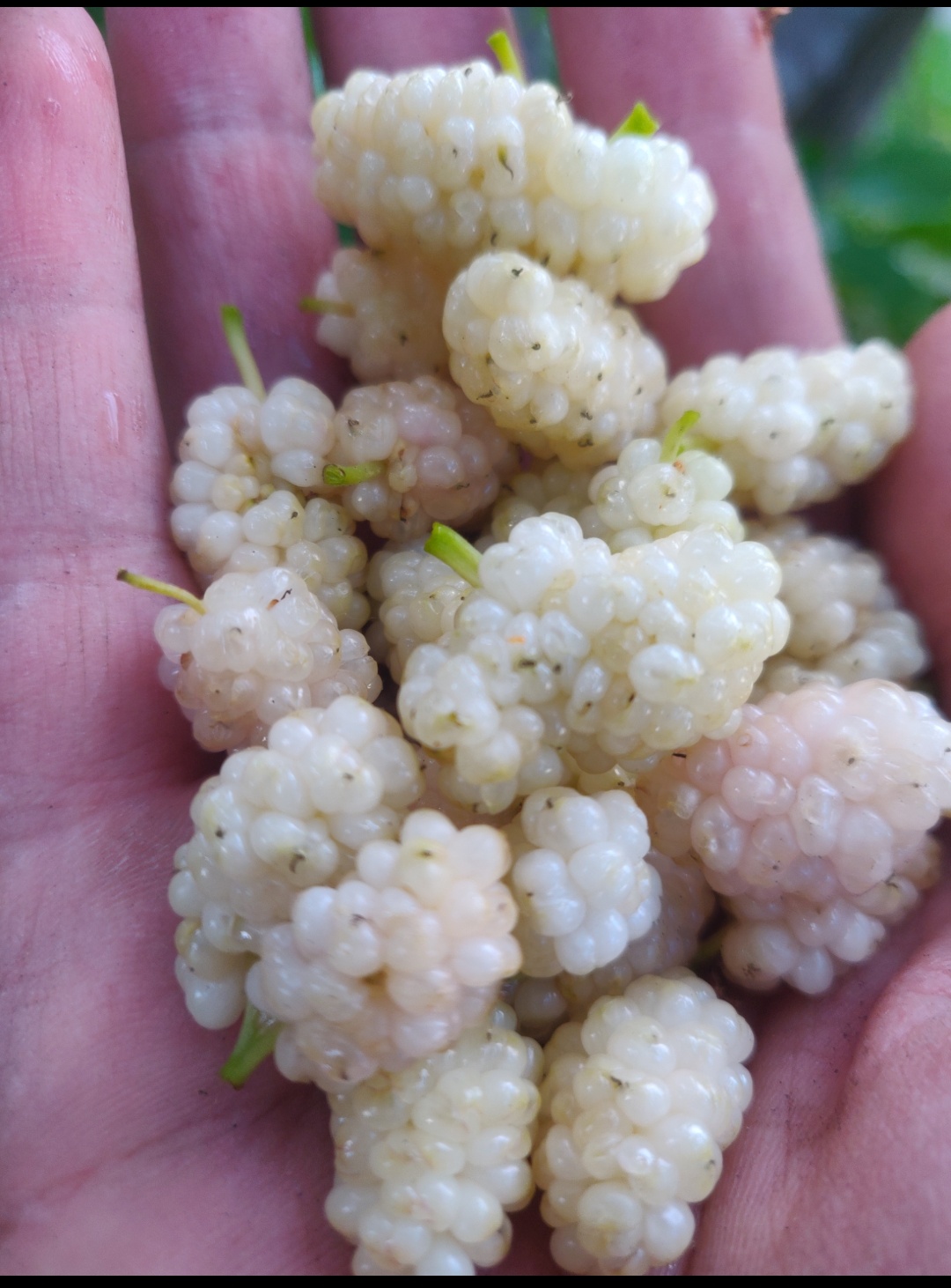
Explore Desert Plants →Discover individual plants in our Plant Library and explore their botanical identities, scientific names, characteristics, native regions, traditional uses, cultural significance, and other educational information.
Browse the collection and select a plant to learn more.
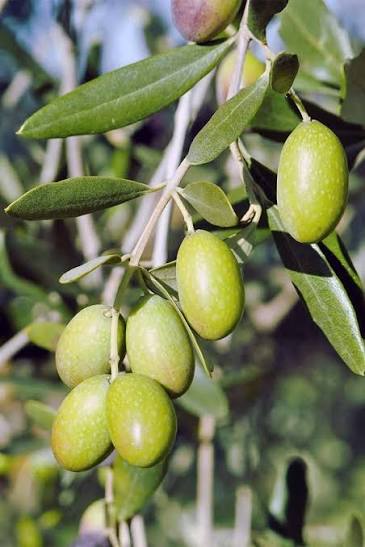
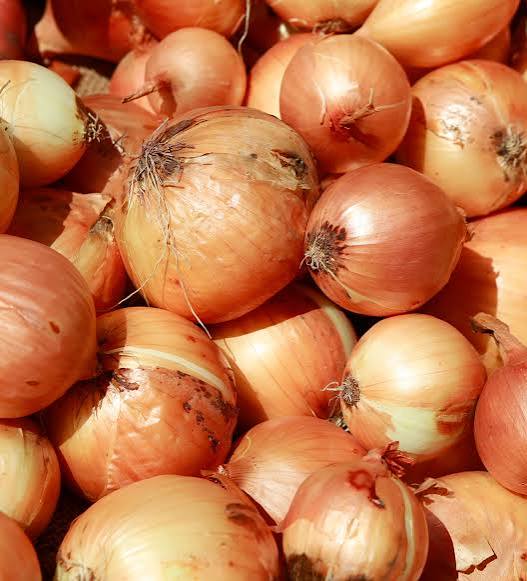
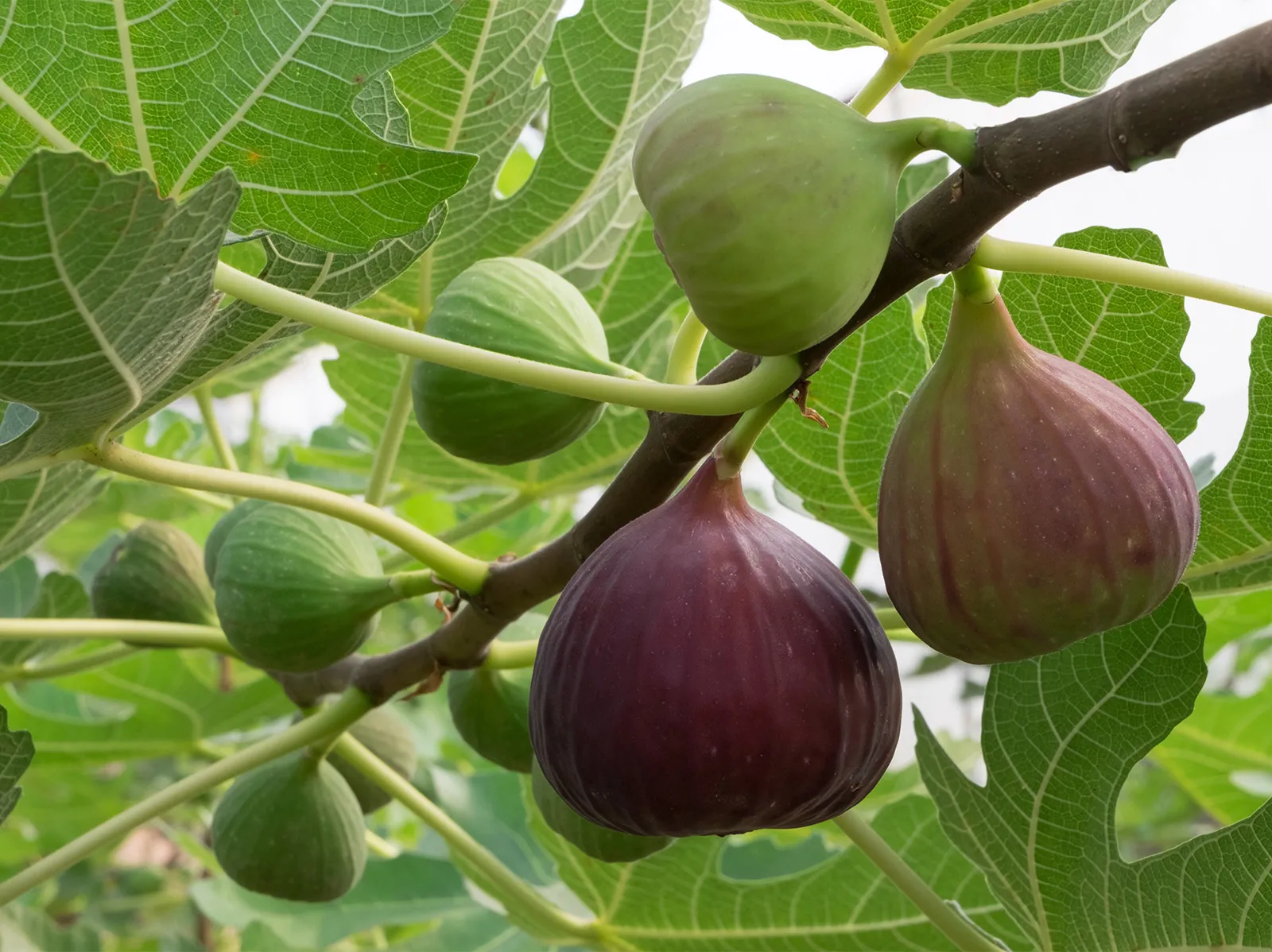
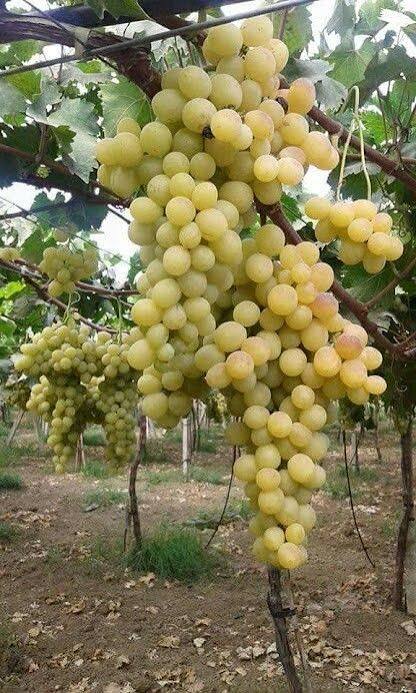
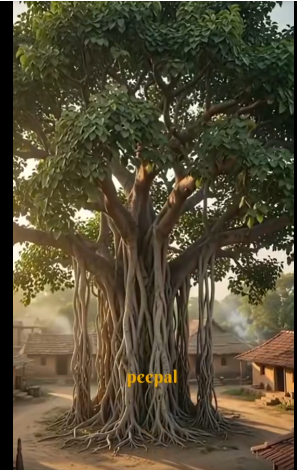
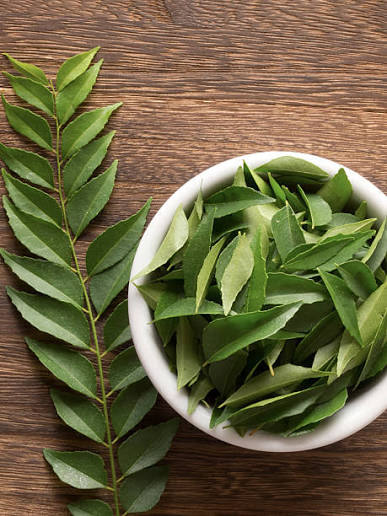
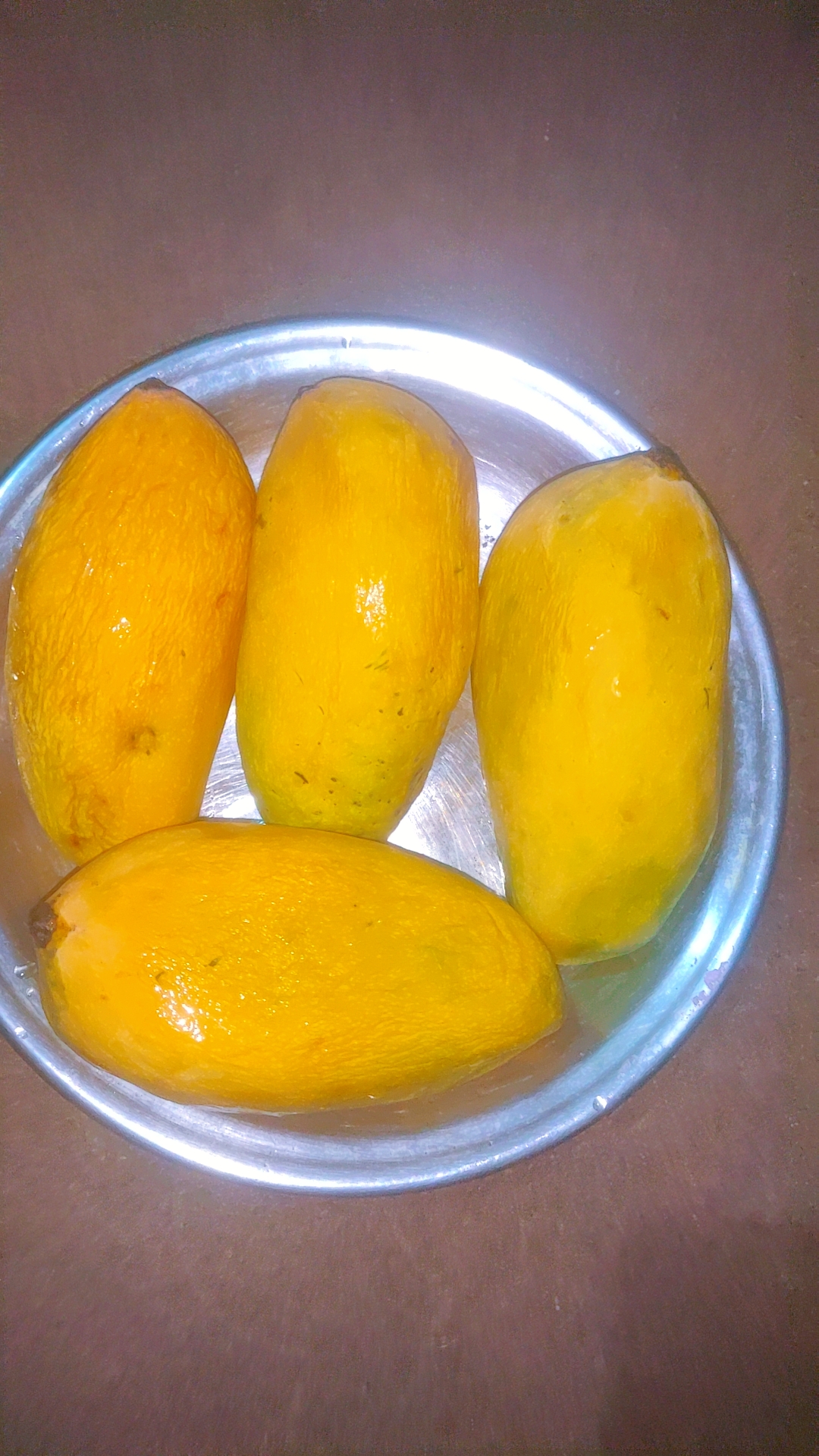

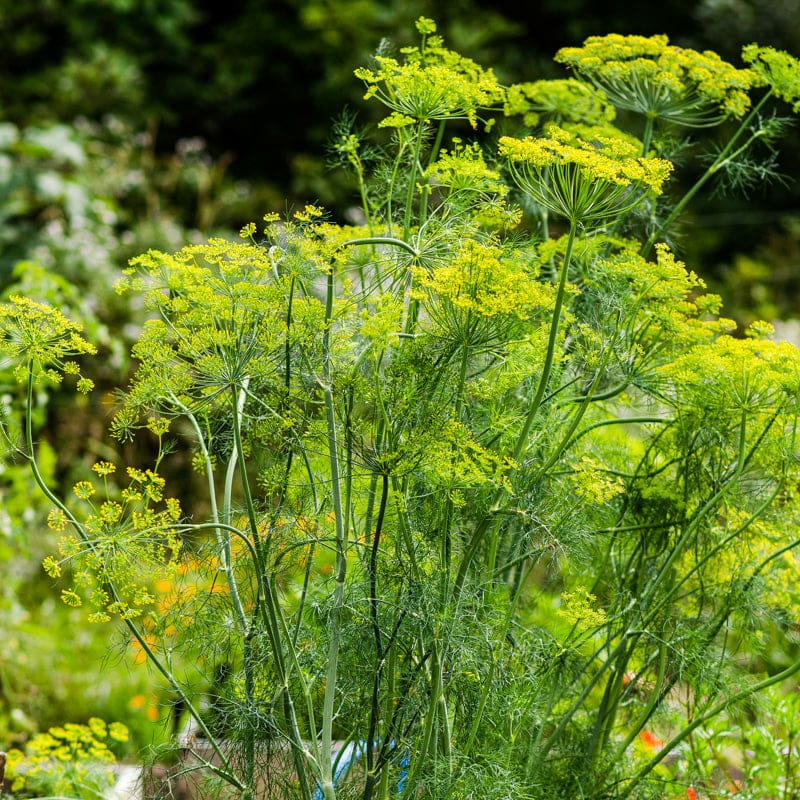
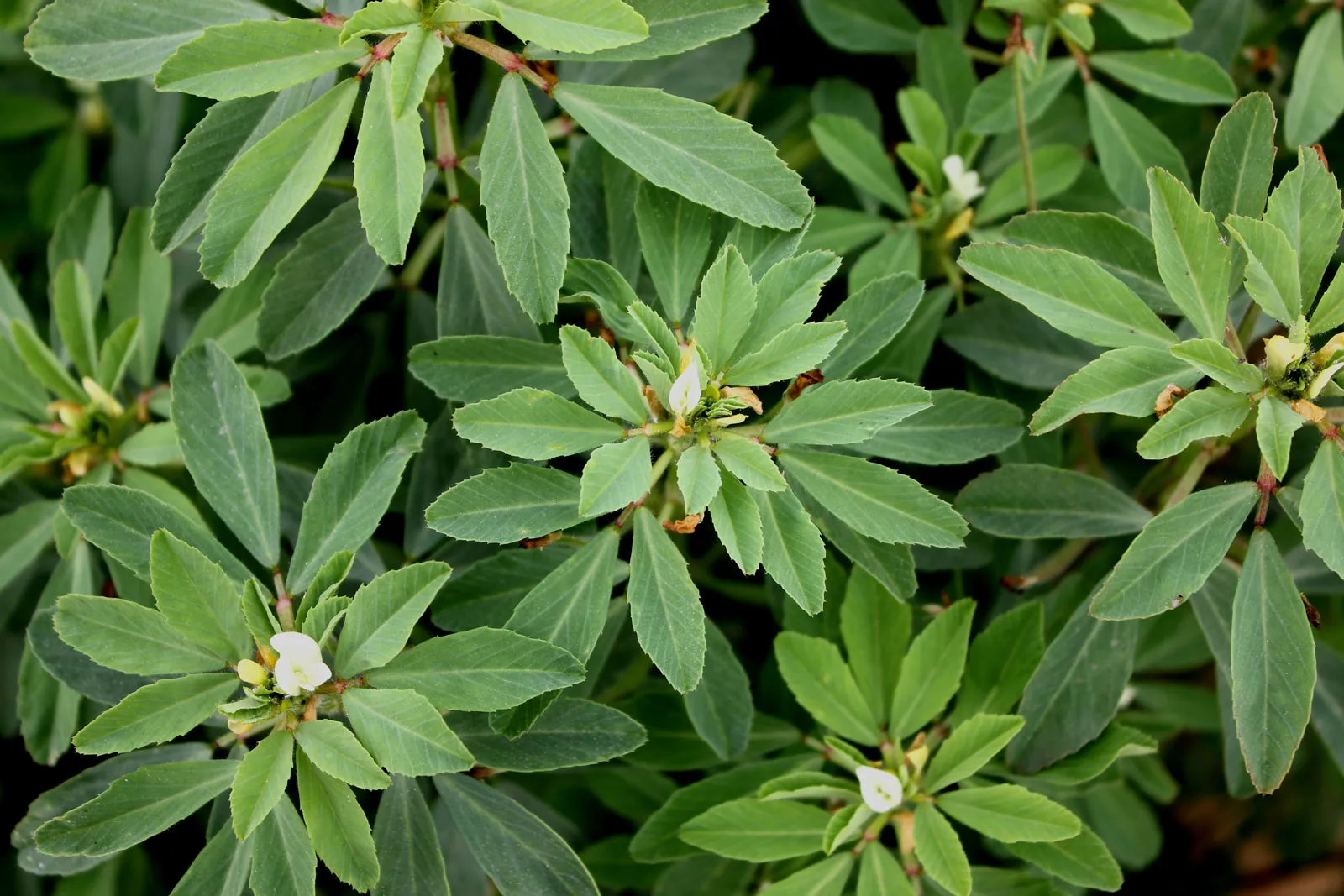

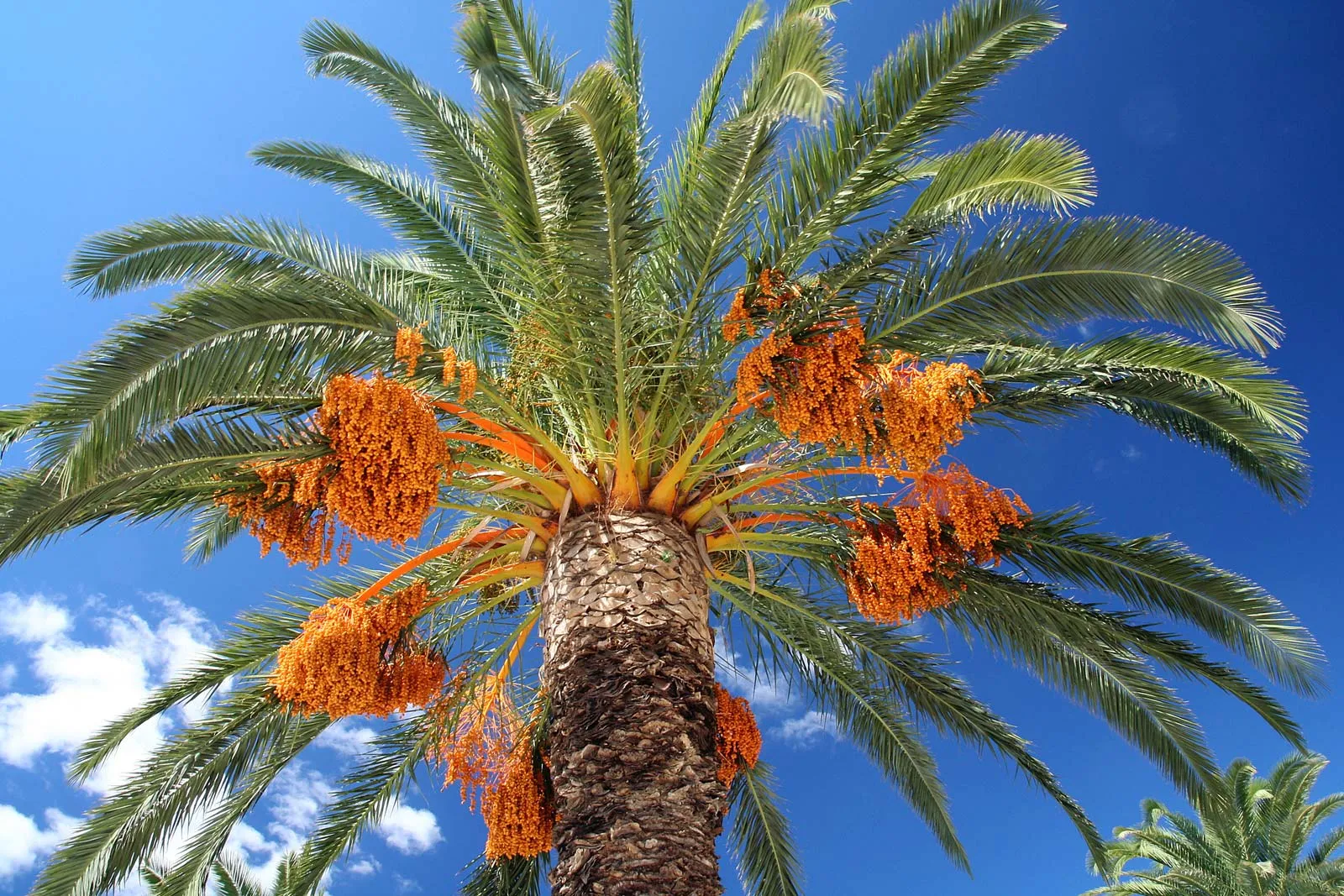
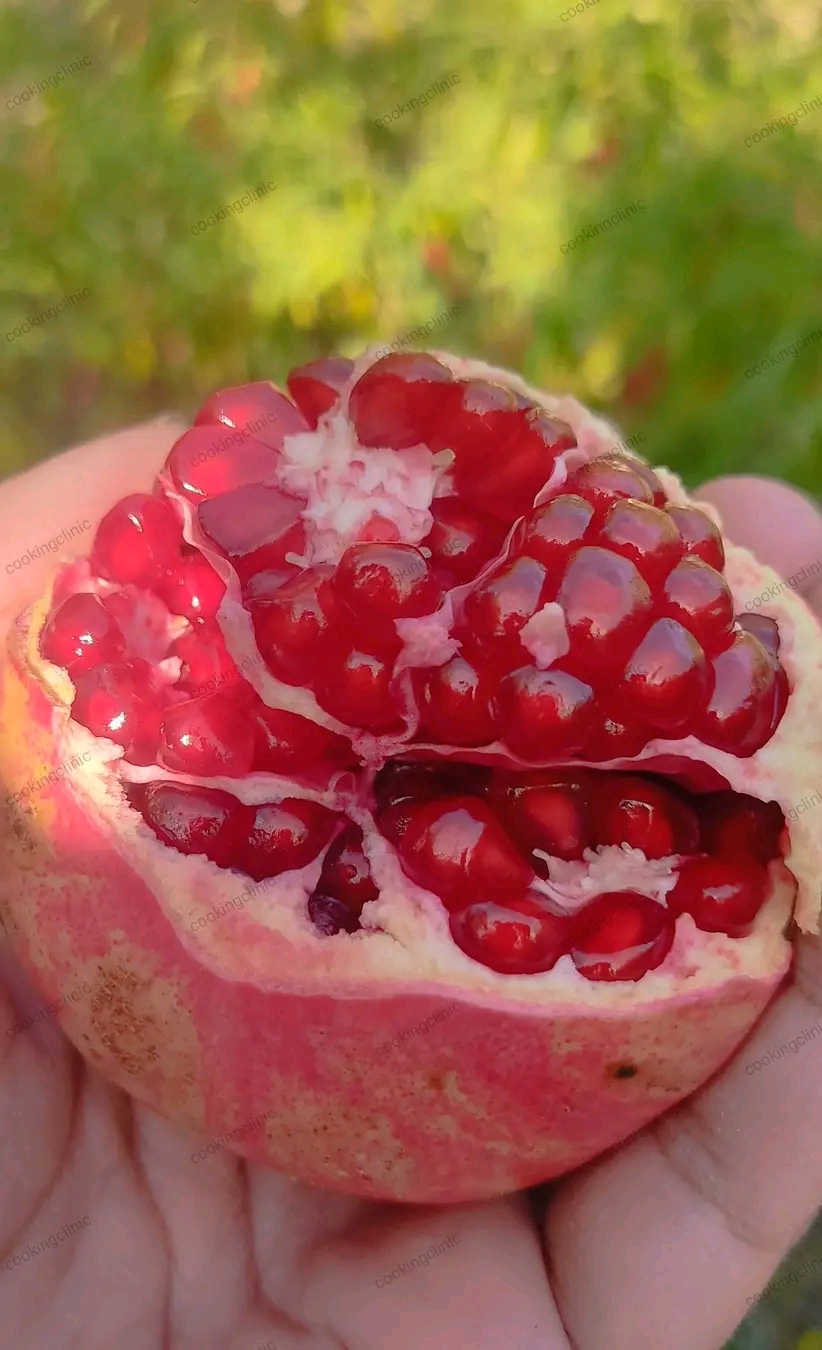
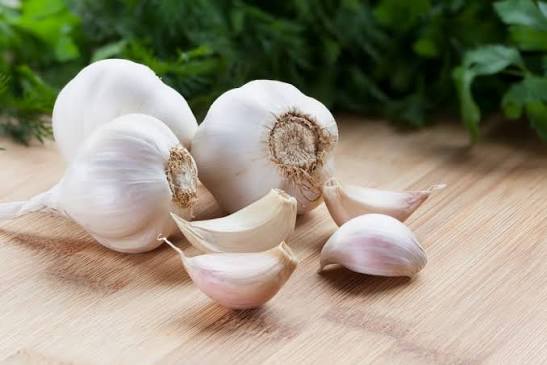
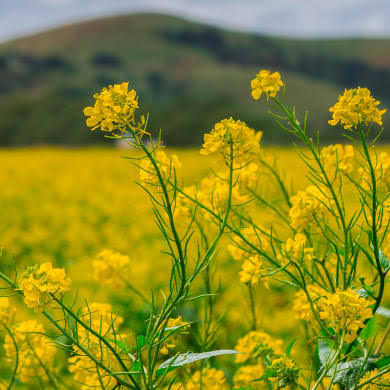
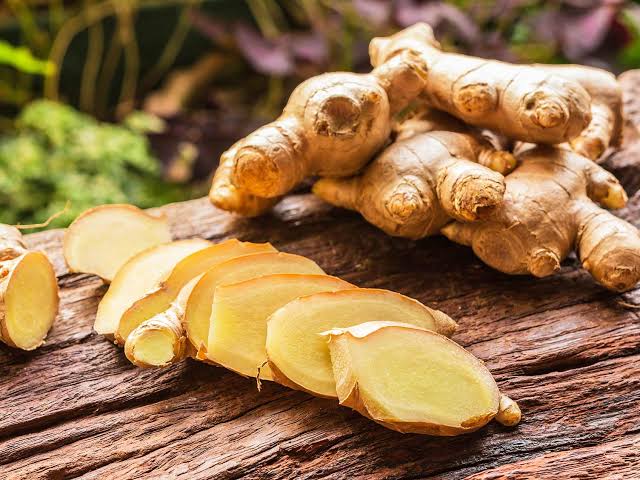
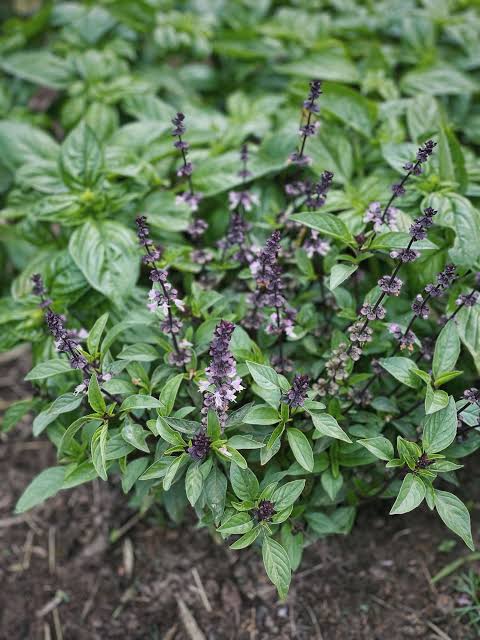
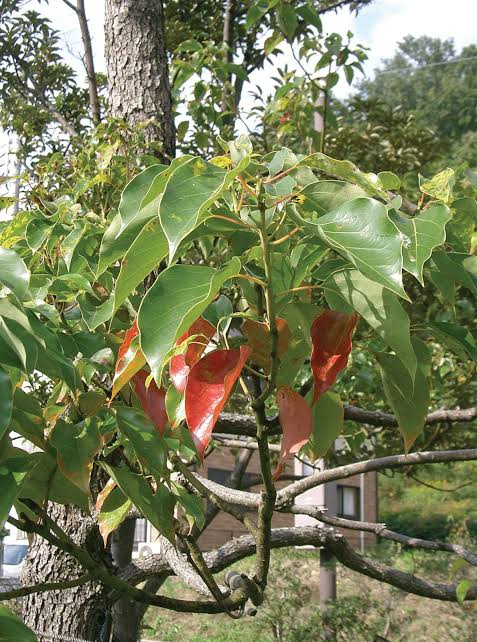
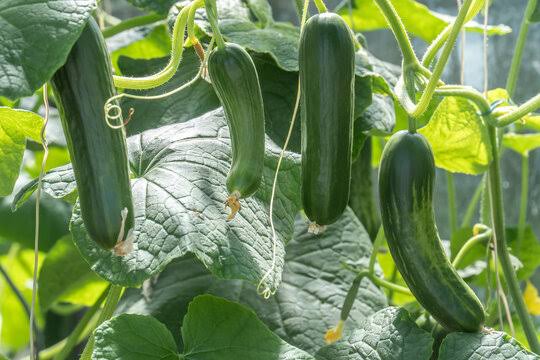
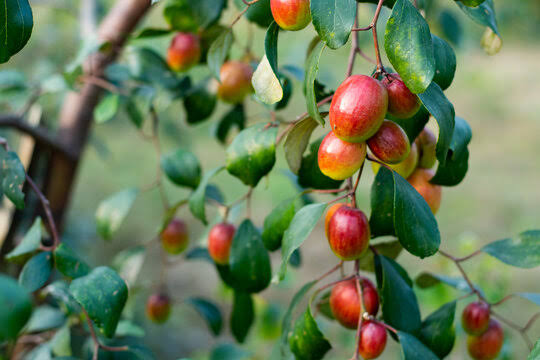
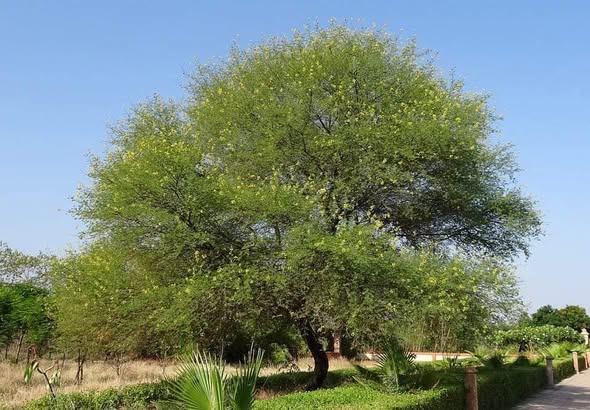
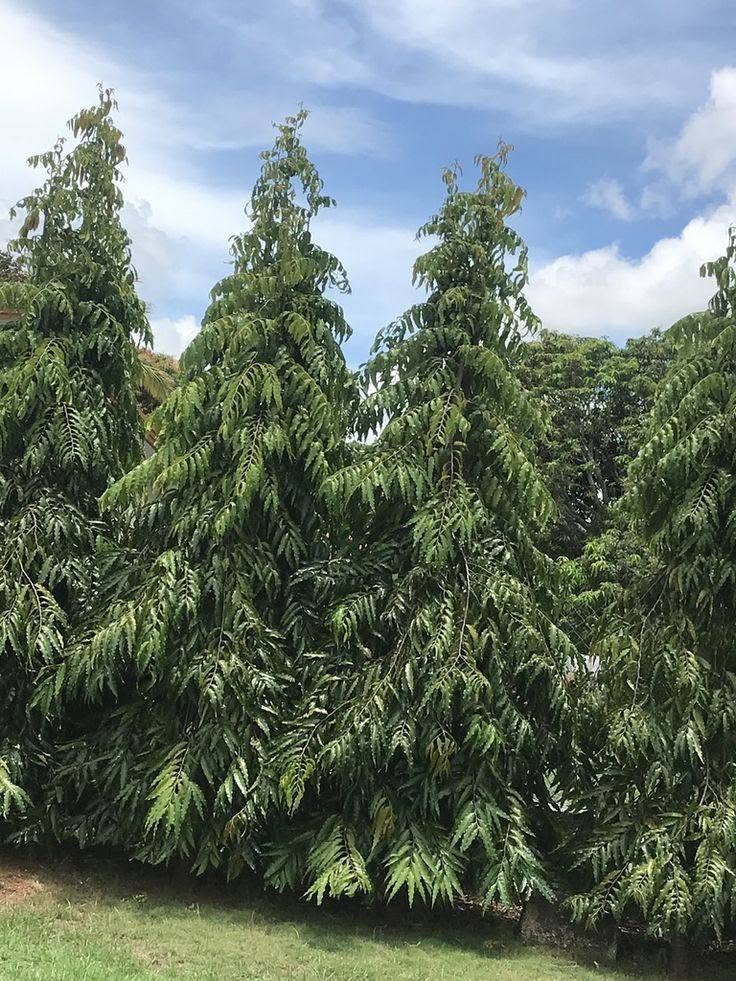

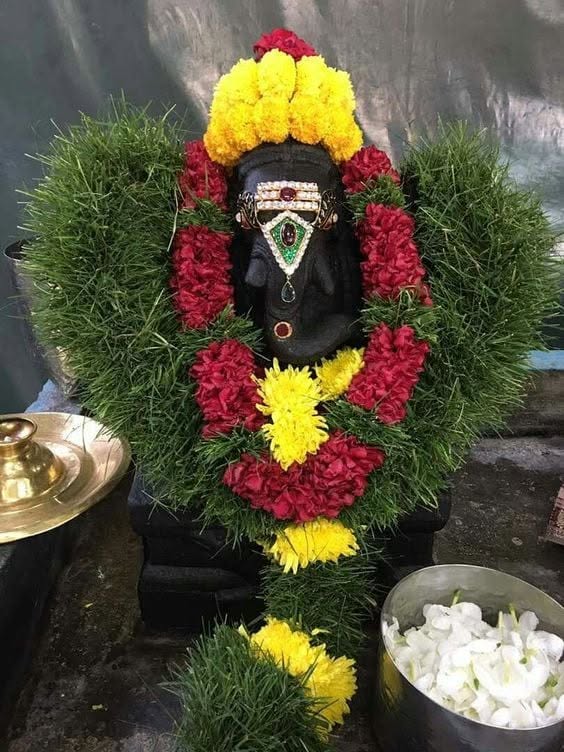
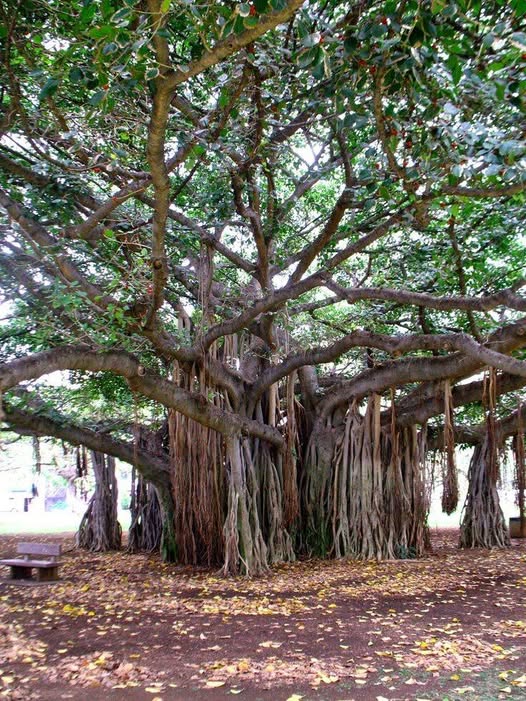
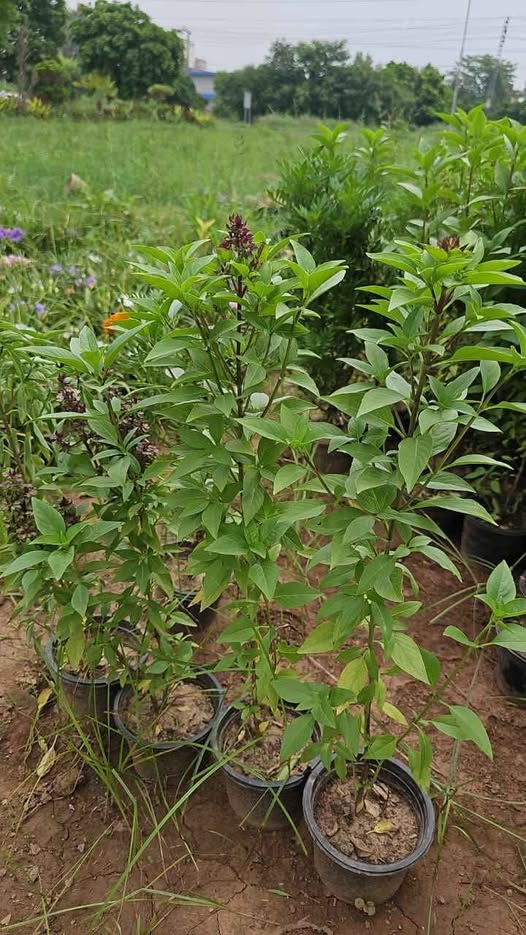
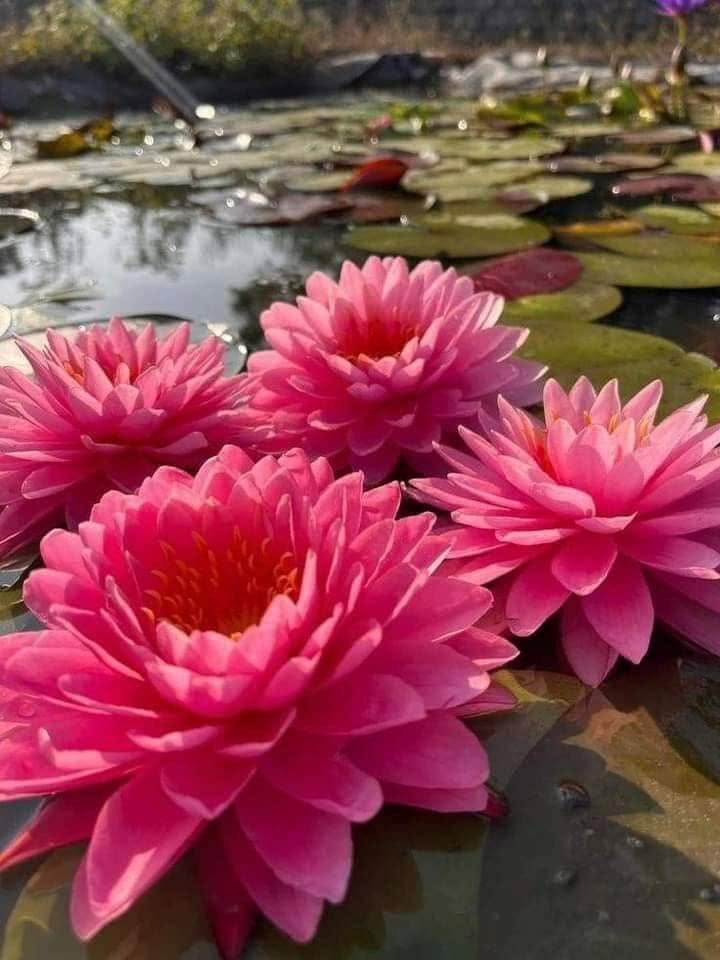
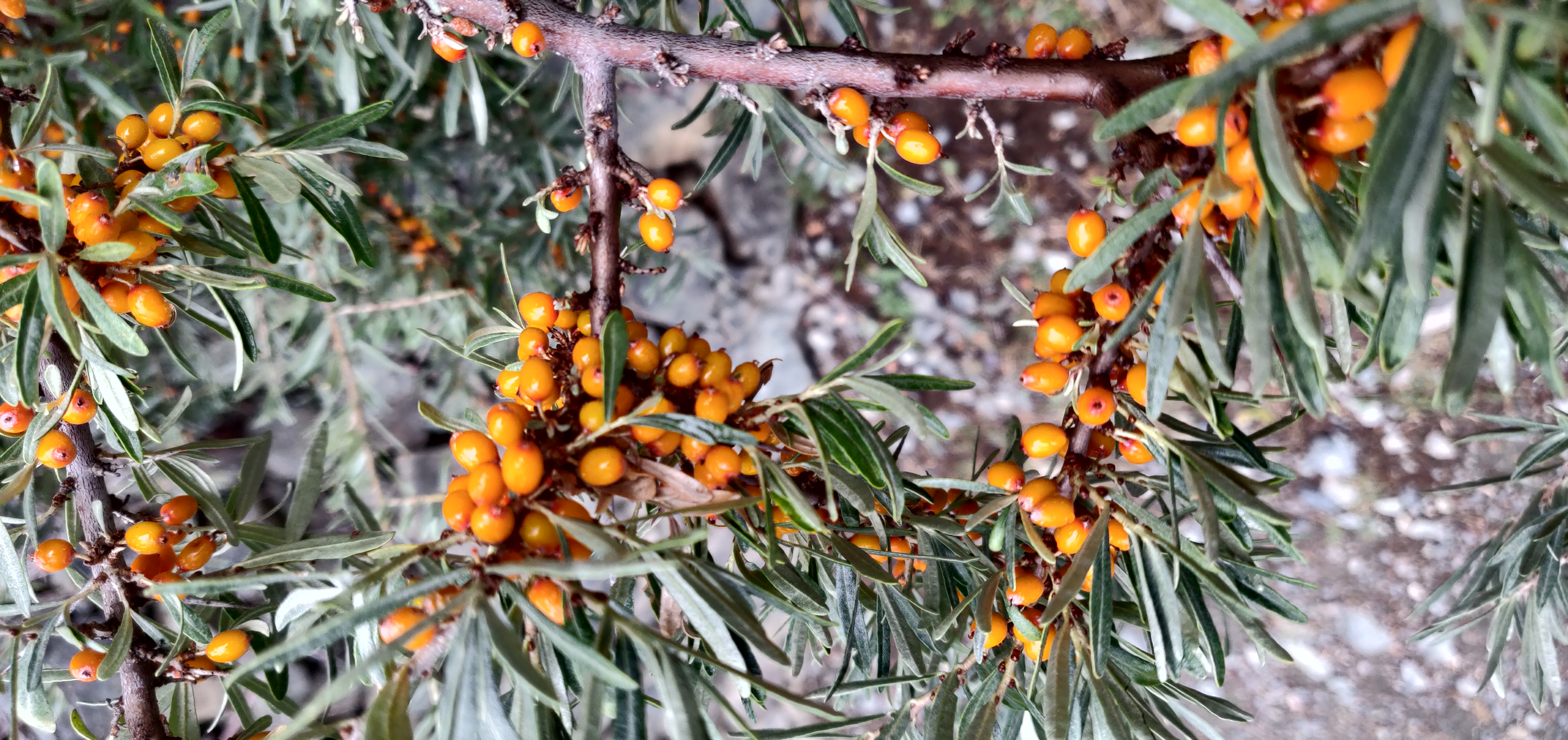
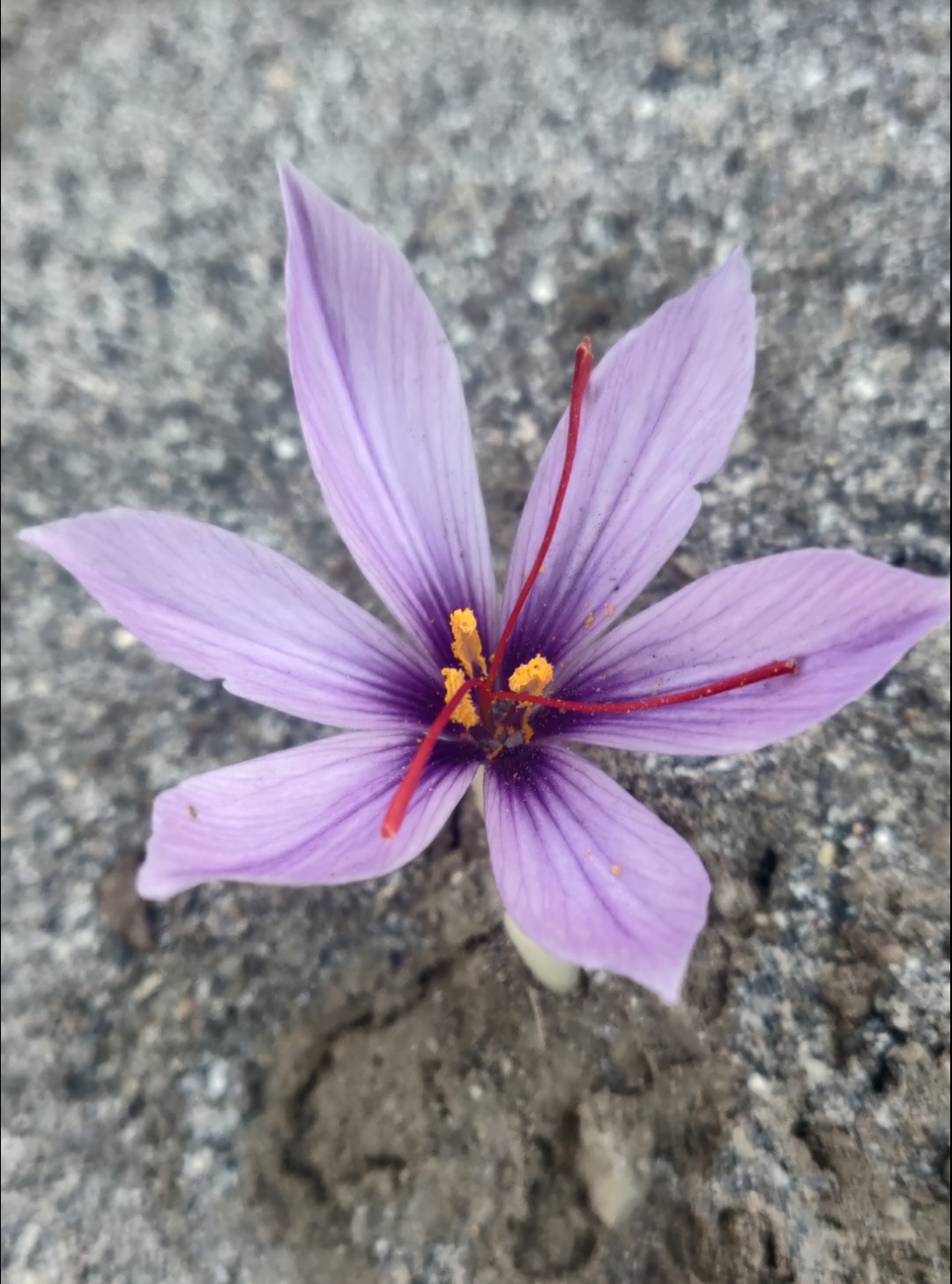
Deepen your understanding of flora across natural science, human history, and cultural heritage.
Learn about plants from different regions and environments.
Explore scientific names, families, classifications, and botanical characteristics.
Discover how plants have been connected with human societies, traditions, and history.
Explore plants from different religious, cultural, and geographical traditions.
The Plant Library presents information from botanical, historical, cultural, and scientific perspectives to support thoughtful learning, botanical literacy, and respectful inquiry.
Religious references and cultural associations are presented respectfully and objectively within their historical contexts.
Traditional and ethnobotanical uses are clearly distinguished from modern verified scientific evidence and clinical research.
Scientific information and botanical classifications are interpreted and presented according to current available botanical consensus.
Plants have been intimately connected with human civilization for thousands of years, playing an essential role in sustaining life while also shaping cultures, traditions, and human understanding of the natural world. From the earliest agricultural societies to modern communities, plants have provided people with food, medicine, clothing, shelter, fuel, and materials needed for everyday life. Crops such as wheat, rice, barley, and maize helped civilizations develop stable food systems, while fruit trees, herbs, and other plants became important sources of nutrition and traditional remedies. Beyond their practical value, plants have also held deep cultural and spiritual significance. Many trees, flowers, fruits, and herbs appear in religious scriptures, traditional stories, ceremonies, art, and literature, where they often symbolize life, wisdom, purity, prosperity, peace, or renewal. Sacred trees and plants have been respected and protected by communities across different regions and traditions, becoming part of humanity’s shared cultural heritage. Plants have also inspired poets, artists, scholars, and philosophers, reflecting the close relationship between people and the natural world. Today, this relationship remains important as plants contribute to biodiversity, healthy ecosystems, soil protection, carbon storage, and environmental sustainability. Exploring the history and cultural importance of plants therefore allows us to understand not only the botanical world but also the ways in which plants have influenced human survival, knowledge, traditions, and heritage throughout history.
We are so glad that you are interested to have knowledge about plants.
Here, you can explore plants mentioned in different religious scriptures and cultural traditions. We have included plants mentioned in the Holy Quran, the Bible, Hindu scriptures, and Buddhist traditions, as well as plants that have played an important role in various cultural traditions.
You can explore each common name of a plant and scientific classification, including its scientific name, genus, family, and other botanical information.
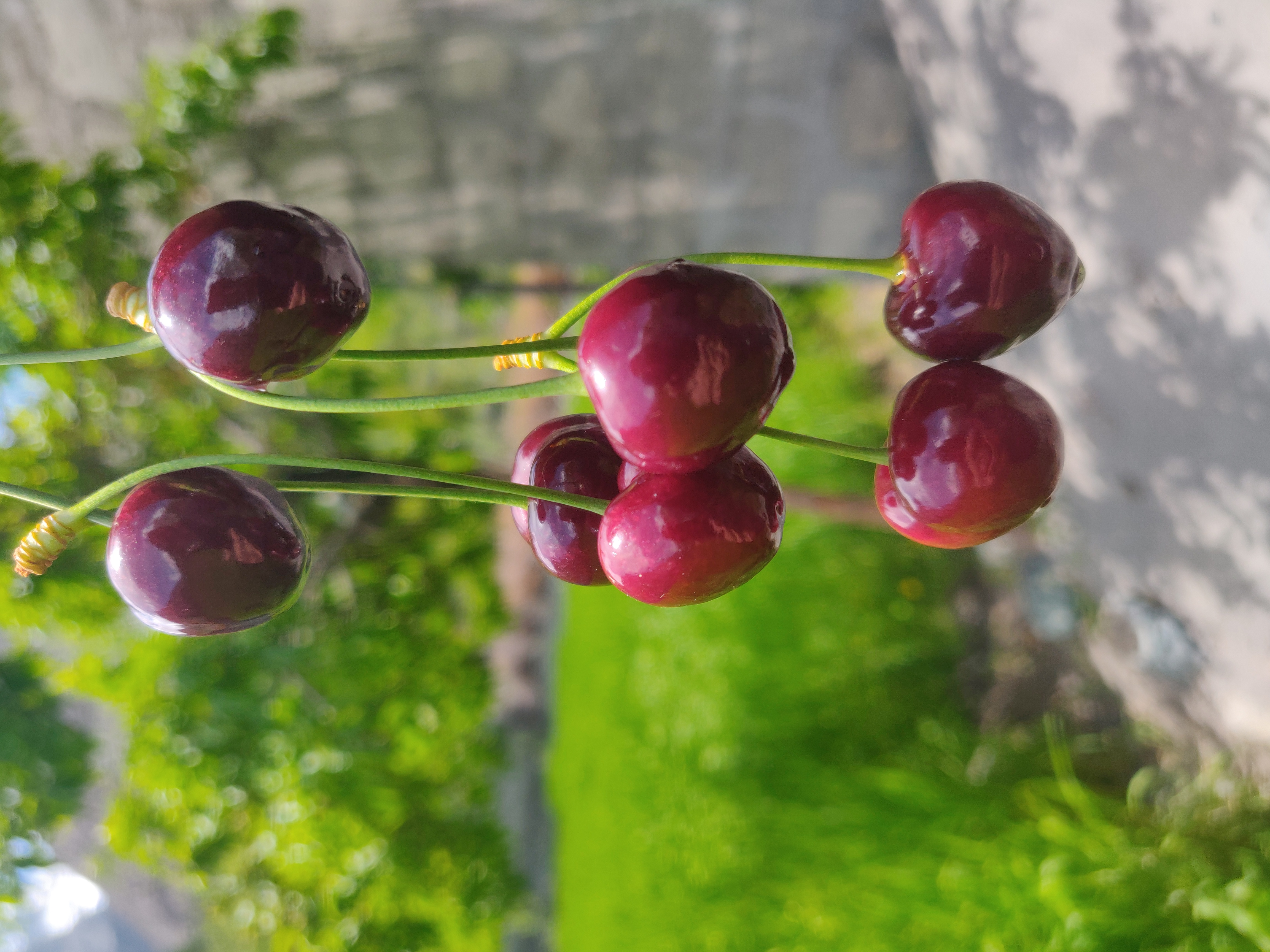
You can also discover the native region, historical and cultural importance of a plant and references in religious scriptures, health and traditional uses, and beautiful picture of the plants.
Moreover, We also include a Collection of some Botanical and Scientific plants, with there scientific names, beatiful plant image and more discription about the plants.
The Plant Library is designed as an educational resource for people who want to learn more about plants and their importance in nature and human society.
Information may cover botanical characteristics, scientific names, geographical distribution, traditional uses, ecological importance, cultural significance, and other educational topics.
Information concerning medicinal or health-related uses is provided for educational purposes and should not be considered professional medical advice.
Discover plants from botanical, cultural, religious, and scientific perspectives.