🌿 Fig
Scientific name: Ficus carica
The fig is a fruit-producing plant belonging to the genus Ficus and the mulberry family, Moraceae. It has been cultivated and valued by human societies for thousands of years and remains an important fruit crop in many parts of the world.
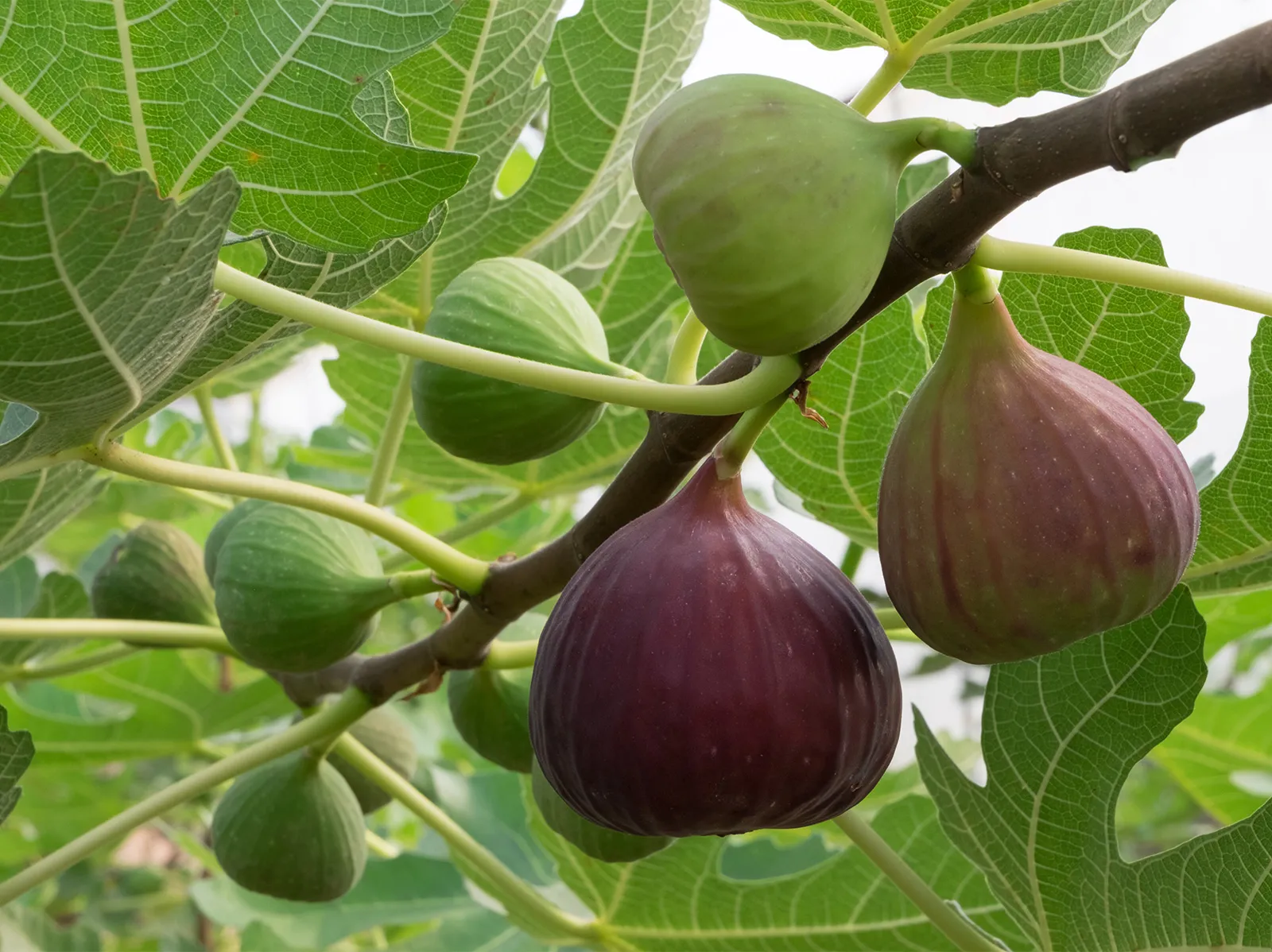
Fig plant (Ficus carica)
The common fig, Ficus carica, is a deciduous plant that can grow as a shrub or small tree. Its distinctive leaves, edible figs, and long history of cultivation make it an important species in both botany and human culture.
🌱 Quick Facts
Common name: Fig
Scientific name: Ficus carica
Family: Moraceae
Genus: Ficus
Plant type: Deciduous shrub or small tree
Fruit: Fleshy multiple fruit structure
🔬 Botanical Description
Ficus carica is generally a small tree or large shrub with spreading branches. Its leaves are broad and usually deeply lobed, with a rough texture on the upper surface.
What is commonly called the "fig" is botanically a specialized structure known as a syconium. It develops from a fleshy, enclosed inflorescence containing numerous small flowers.
The biology of figs is particularly interesting because some fig species have highly specialized relationships with fig wasps that contribute to pollination.
🌍 Origin & Distribution
The common fig has a long history in the Mediterranean and western Asian regions; Pakistan (specially in Gilgit Baltistan), Afghanistan and India . It is now cultivated in many countries with suitable warm climates.
Fig plants generally perform well in warm, relatively dry environments and can tolerate periods of drought once established.
📖 Fig in the Qur'an
The fig is mentioned explicitly in the Qur'an in Surah At-Tin (95:1), which begins with an oath referring to the fig and the olive.
Allah says in Surah At-Tin, verses 1 to 8:
"By the fig and the olive..."
Allah begins this chapter by swearing by the fig and the olive, highlighting their significance.
The Surah continues by reminding humanity that:
Allah created human beings in the best form.
Those who believe and perform righteous deeds will receive an everlasting reward.
Allah is the Most Just of judges.
Many Islamic scholars have reflected on why Allah specifically mentioned the fig. While the exact wisdom is known only to Allah, the fig's nutritional value, historical importance, and benefits for humanity make it a remarkable creation worthy of reflection.
The Arabic term at-tīn is commonly translated as "the fig."
The Qur'anic reference is presented here as a religious and textual reference. Its theological meaning belongs to the field of religious interpretation and is not determined by botanical science.
🏺 Historical & Cultural Significance
Figs have been associated with agriculture and food cultures across the Mediterranean, Middle East, and neighboring regions for many centuries.
Archaeological and historical evidence indicates that figs were cultivated and consumed by ancient communities. They could be eaten fresh or dried, allowing them to be preserved for later consumption.
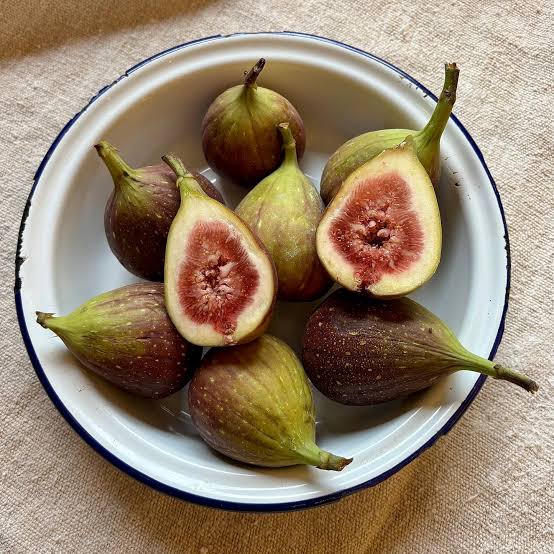
Fresh fig fruit (Ficus carica)
🍈 Nutritional Composition
Figs are packed with nutrients that support overall health. They contain: Natural fruit sugars, Dietary fiber, Vitamins A, B, C, and D, Calcium Iron, Phosphorus, Flavonoids, Powerful antioxidants, Enzymes such as ficin, which aids digestion. These nutrients make figs one of the healthiest naturally sweet fruits
Figs also contain naturally occurring plant compounds, including polyphenols and other phytochemicals that are being investigated in nutritional and biological research.
💚 Medicinal Uses
The root is tonic, useful in leucoderma and ringworm.
The fruit is sweet, antipyretic, tonic, purgative useful in inflammation, weakness, paralysis, Relief from excessive thirst “Vatta diseases” of head, support in treatment of diseases of liver and spleen, pain in chest, cures piles, stimulate growth of hair. The milky juice is expectorant, diuretic, and dangerous for eye.
Fig latex is used as an anthelmintic.
The Fig leaf has been reported hypoglycaemic, hepatoprotective and latex reported the anthelmintic activity, anti-inflammatory, antipyretic activity.
🧪 Modern Scientific Research
Modern research has investigated Ficus carica for its nutritional composition and for various biological properties of its fruits, leaves, latex, and other plant materials.
Laboratory and preliminary studies have explored antioxidant, antimicrobial, anti-inflammatory, and other potential biological activities. However, laboratory findings do not necessarily demonstrate that a plant or plant extract is an effective treatment for a disease in humans.
🌱 Cultivation & Care
Figs generally prefer a sunny location and well-drained soil. Established plants can tolerate relatively dry conditions, although adequate water is important during active growth and fruit development.
Fig plants can be propagated through seeds, cuttings, and other horticultural methods. In commercial production, cultivar selection, climate, irrigation, pruning, and pest management influence fruit production.
🌍 Ecological Importance
Fig species can play important ecological roles in natural ecosystems. Many Ficus species produce fruit that is consumed by birds, mammals, and other animals.
The broader genus Ficus is also well known for specialized ecological relationships with fig wasps and other organisms.
🔎 How to Identify a Fig Plant
Common characteristics include:
- Broad, lobed leaves
- Rough-textured leaves
- Milky latex from damaged plant tissues
- Small tree or spreading shrub growth habit
- Distinctive fleshy fig structures
Identification should be based on multiple characteristics rather than a single feature.
⚠️ Safety & Disclaimer
Information on this page is provided for educational purposes only. It should not be considered medical, nutritional, agricultural, or professional advice.
Do not use plant material or plant extracts to treat a medical condition without consulting an appropriately qualified professional.
📚 References & Further Reading
Information about the fig plant should be verified using authoritative botanical, agricultural, scientific, and religious-text sources.
- Plants of the World Online — Royal Botanic Gardens, Kew
- USDA Agricultural Research Service
- Food and Agriculture Organization of the United Nations
- Peer-reviewed botanical and nutritional research
- The Qur'an — Surah At-Tin, 95:1
🌿 Explore More Plants
More plant profiles will be added to the Plant Library as the collection grows.