🌸 Saffron
Crocus sativus L.
Saffron is one of the world's most valuable spices and is obtained from the dried red stigmas of the saffron crocus. The plant is scientifically known as Crocus sativus and belongs to the iris family, Iridaceae.
🌿 Botanical Information
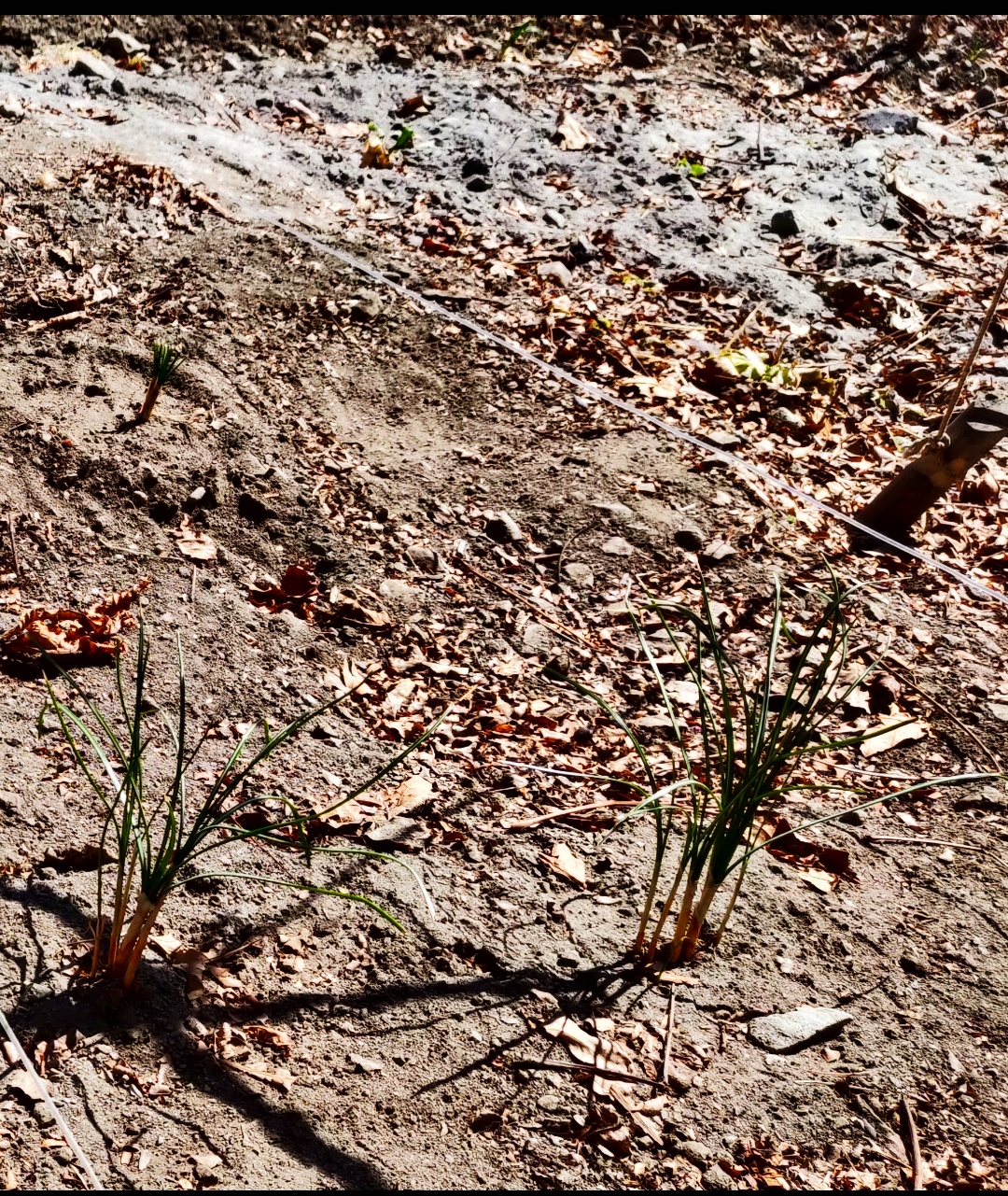
Saffron is a perennial flowering plant that grows from an underground structure called a corm. Unlike many flowering plants, cultivated saffron is propagated vegetatively because the plant does not normally produce viable seeds.
Scientific Classification
- Kingdom: Plantae
- Family: Iridaceae
- Genus: Crocus
- Species: Crocus sativus
- Common name: Saffron
- Plant type: Perennial flowering plant
🌱 Description of the Saffron Plant
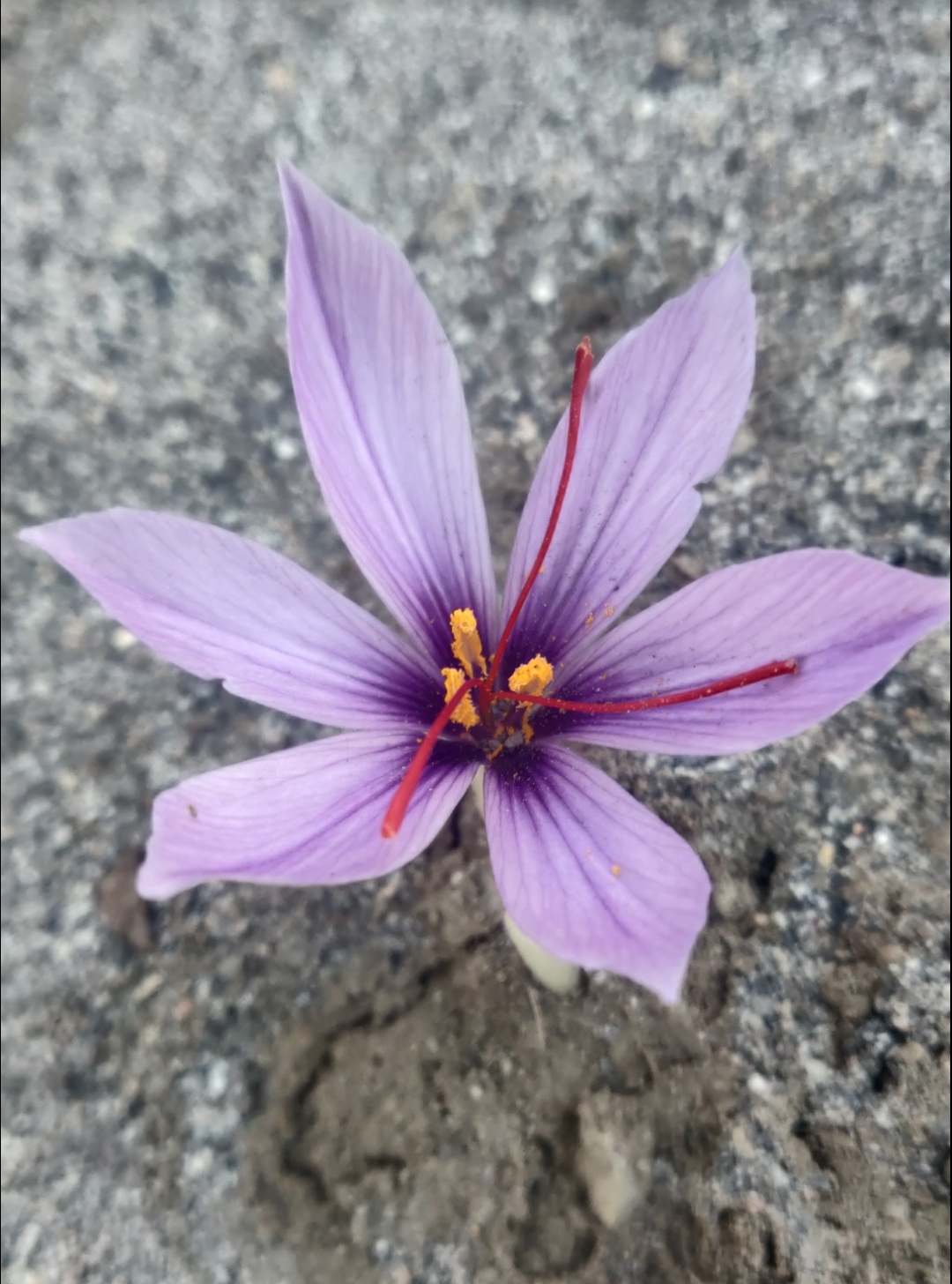
Saffron plants are relatively small and produce narrow, grass-like leaves. Their flowers are usually lilac or violet with darker veins and contain three prominent red-orange stigmas.
These three stigmas are carefully collected, dried, and sold as saffron threads. Because only a small amount of spice is obtained from each flower, harvesting saffron is labour-intensive.
🌸 Saffron Flower
The saffron flower is usually violet to lilac and has six petal-like segments. At its centre are three yellow stamens and three long red-orange stigmas.
The red stigmas are the valuable part harvested for use as the spice known as saffron.
🧵 Saffron Threads
Saffron threads are the dried stigmas of Crocus sativus. They have a distinctive red-orange colour and release colour, aroma, and flavour when used in food.
The high price of saffron is partly related to the small quantity of spice obtained from each flower and the amount of manual labour required to harvest and process it.
👃 Taste and Aroma
Saffron has a distinctive aroma and a complex flavour that can be described as earthy, floral, slightly bitter, and honey-like.
Only a small quantity is normally required to provide noticeable colour, aroma, and flavour to food.
📜 History of Saffron
Saffron has been used for thousands of years as a culinary spice, fragrance, colouring material, and traditional ingredient.
Historical evidence connects saffron cultivation and use with ancient Mediterranean, Middle Eastern, and Asian cultures. Over time, saffron cultivation spread to several regions with suitable climates.
🌍 Origin and Distribution
The exact wild origin of cultivated saffron is uncertain because Crocus sativus has a long history of human cultivation and is a sterile plant.
Today, saffron is cultivated commercially in countries including Iran, India, Spain, Greece, Afghanistan, Italy, and Morocco.
🥗 Nutritional Value of Saffron
Saffron is normally consumed in very small quantities, so it does not contribute large amounts of calories, protein, fat, vitamins, or minerals to the average diet.
Its importance comes mainly from its distinctive pigments, aroma compounds, and other naturally occurring phytochemicals.
Important Nutrients and Compounds
- Small amounts of carbohydrates
- Small amounts of protein
- Dietary fibre
- Potassium
- Magnesium
- Iron
- Phosphorus
- Vitamin-related antioxidant compounds
🧪 Important Compounds in Saffron
Saffron contains several characteristic compounds responsible for its colour, flavour, and aroma.
- Crocin – contributes strongly to saffron's yellow-orange colour.
- Crocetin – a carotenoid-related compound associated with saffron pigments.
- Picrocrocin – contributes to saffron's characteristic bitter taste.
- Safranal – an important volatile compound responsible for much of saffron's aroma.
- Kaempferol and other polyphenols – naturally occurring plant compounds.
Crocin and related carotenoid compounds give saffron its characteristic golden-yellow colour when the spice is infused in water or other liquids.
🛡️ Antioxidant Properties
Saffron contains carotenoids and other phytochemicals with antioxidant activity. These compounds have attracted scientific interest because oxidative stress is involved in many biological processes.
Laboratory and human studies have investigated saffron and its compounds, but the results should not be interpreted as proof that saffron can prevent or cure specific diseases.
❤️ Potential Health Benefits
Saffron has been investigated in nutritional and clinical research for several possible health effects.
- Provides antioxidant compounds
- May support overall nutritional health
- Has been studied for effects on mood
- Has been investigated for cognitive health
- Has been studied for potential cardiovascular effects
- Contains compounds with antioxidant and anti-inflammatory activity in laboratory research
Human research on saffron is ongoing, and evidence varies depending on the health condition, preparation, and amount used. Saffron should not replace prescribed medical treatment.
🌿 Traditional Uses
Saffron has a long history of use in traditional food systems and traditional medicine in several cultures.
It has traditionally been used in beverages, foods, perfumes, and various preparations. Traditional use does not necessarily mean that a health effect has been scientifically established.
🍚 Culinary Uses
Saffron is used as a spice and natural food colouring in many cuisines around the world.
- Rice dishes
- Biryani
- Pilaf
- Risotto
- Soups
- Desserts
- Milk-based drinks
- Tea and infusions
- Breads and baked foods
Saffron is commonly steeped in warm water or milk before being added to food so that its colour and aroma can spread through the dish.
🇵🇰 Saffron in Pakistan and South Asia
Saffron is traditionally associated with the Kashmir region and is also cultivated or traded in other parts of South Asia.
In Pakistan, saffron may be available through spice markets, specialty food sellers, herbal-product shops, and online retailers. Availability and authenticity can vary considerably.
🛒 Availability
Saffron is generally sold as dried threads or, less commonly, as powdered saffron.
- Specialty spice shops
- Traditional markets
- Supermarkets
- Herbal and natural-product stores
- Online food retailers
Genuine high-quality saffron is relatively expensive because of the labour-intensive harvesting process.
🔎 How to Recognize Saffron
Genuine saffron consists of dried red to dark-red stigmas with characteristic trumpet-like or slightly widening ends. It has a distinctive floral, earthy aroma and releases a yellow-golden colour when infused.
Extremely cheap products labelled as saffron should be treated cautiously because saffron is one of the world's most frequently adulterated high-value spices.
Whenever possible, purchase whole saffron threads from a reputable seller rather than relying solely on inexpensive powdered products.
🌱 Saffron Cultivation
Saffron is grown from corms planted in well-drained soil. The plant generally prefers sunny conditions and a suitable seasonal period of growth followed by dormancy.
Flowers are harvested by hand during the flowering season. The three stigmas are carefully separated from each flower and dried to produce the finished spice.
🧺 Saffron Harvesting
Saffron harvesting is highly labour-intensive. Flowers are usually collected soon after opening, and the delicate stigmas are removed manually.
The stigmas are then dried under controlled conditions to preserve their colour, aroma, and flavour.
💰 Why Is Saffron So Expensive?
Saffron is expensive because each flower produces only three usable stigmas and these must be collected and processed by hand.
Large numbers of flowers are therefore required to produce even a relatively small quantity of dried saffron.
⚠️ Safety Information
Saffron is generally used as a culinary spice in small quantities. However, concentrated supplements or very large amounts should not be assumed to be safe simply because saffron is a natural product.
Pregnant individuals, people taking medicines, and anyone considering concentrated saffron supplements should consult a qualified healthcare professional before using them.
Do not use saffron as a replacement for prescribed medical treatment.
🌍 Ecological and Agricultural Importance
Saffron cultivation provides an important high-value agricultural crop in suitable regions. Because saffron requires relatively small amounts of planting material compared with the final value of the spice, it can be an important specialty crop for farmers.
Sustainable cultivation practices can help maintain soil quality, conserve water, and protect agricultural biodiversity.
🌸 Saffron at a Glance
- Common name: Saffron
- Scientific name: Crocus sativus L.
- Family: Iridaceae
- Plant type: Perennial flowering plant
- Useful part: Dried stigmas
- Flower colour: Usually violet or lilac
- Taste: Earthy, floral, slightly bitter
- Main compounds: Crocin, crocetin, picrocrocin, safranal
- Main use: Culinary spice and natural colouring
- Availability: Specialty spice markets, food stores, and online retailers