🍎 Apple
Malus domestica
Apple is one of the world's most widely cultivated fruit trees. The apple tree, scientifically known as Malus domestica, belongs to the rose family and is valued for its nutritious fruit, cultural importance, biodiversity value, and wide range of cultivated varieties.
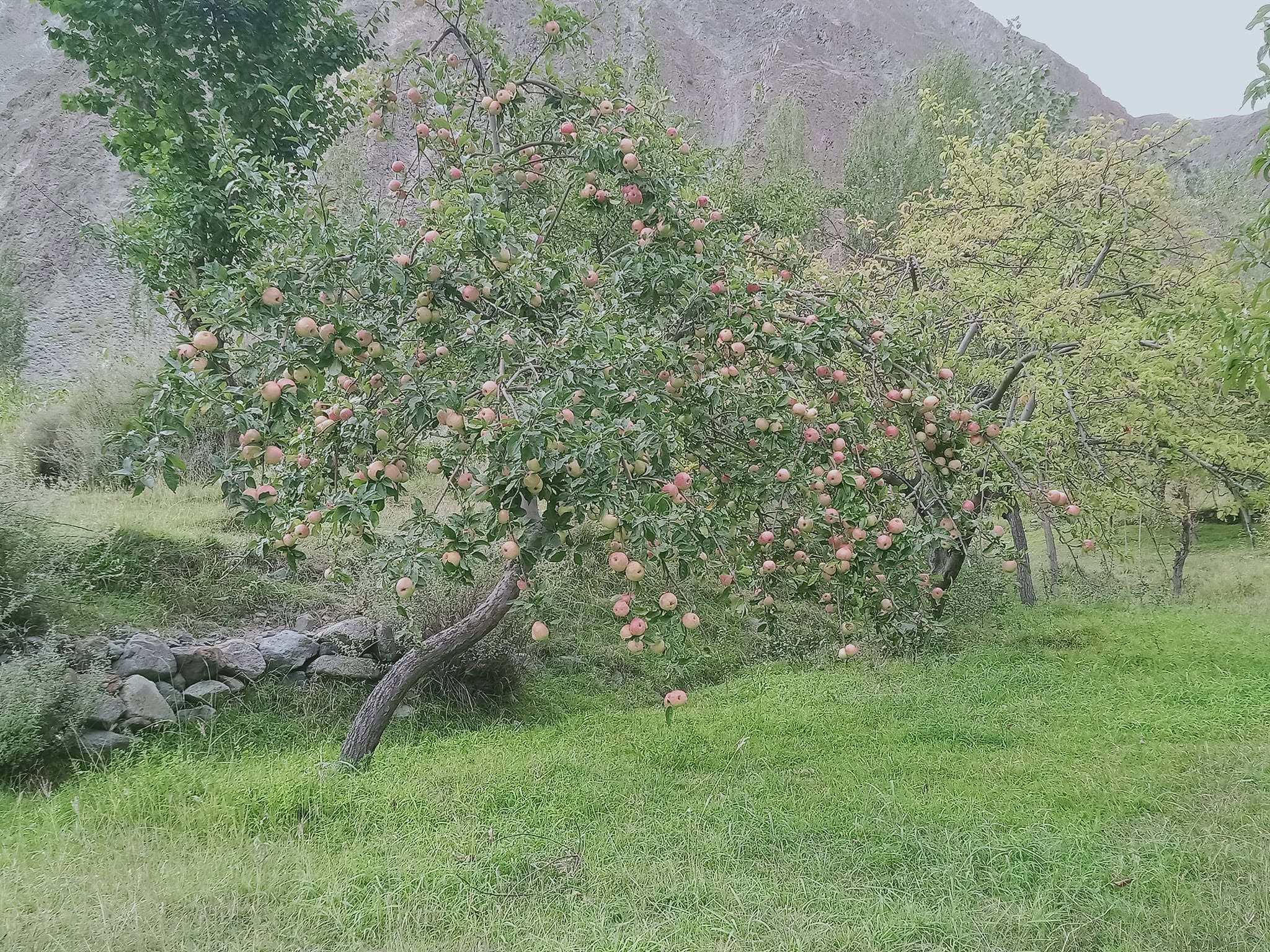
🌿 Botanical Information
Apple belongs to the family Rosaceae, which also includes roses, pears, strawberries, peaches, cherries, and several other economically important plants.
The cultivated apple is a deciduous perennial tree. It produces flowers in spring and develops fruits that mature later in the growing season.
Scientific Classification
- Kingdom: Plantae
- Family: Rosaceae
- Genus: Malus
- Species: Malus domestica
- Common name: Apple
- Plant type: Deciduous fruit tree
🌳 Description of the Apple Tree
Apple trees are woody deciduous trees that can develop a rounded or spreading crown. Their size varies considerably depending on the variety and the rootstock used in cultivation.
Commercial apple production uses different rootstocks to produce trees ranging from relatively small forms suitable for intensive orchards to larger traditional trees.
The tree produces alternate leaves, attractive flowers, and fleshy fruits containing seeds.
🍃 Apple Leaves
Apple leaves are generally oval to elliptic in shape with a pointed tip and serrated margins.
The leaves are usually green during the growing season and may change colour before falling in autumn in temperate climates.
🌸 Apple Flowers
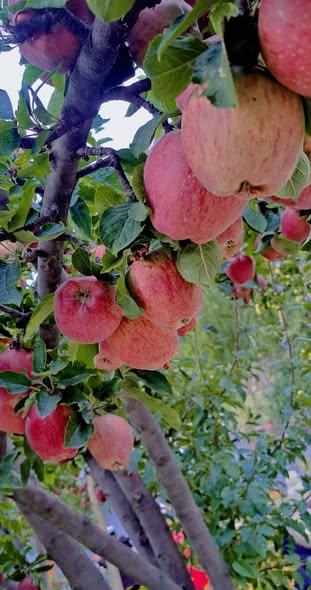
Apple trees produce attractive flowers in spring. The flowers are commonly white or pinkish, particularly when the buds are opening.
Apple flowers provide pollen and nectar for bees and other pollinating insects.
Pollination is an important part of apple fruit production, and many cultivated varieties benefit from cross-pollination with a compatible variety.
🍎 Apple Fruit
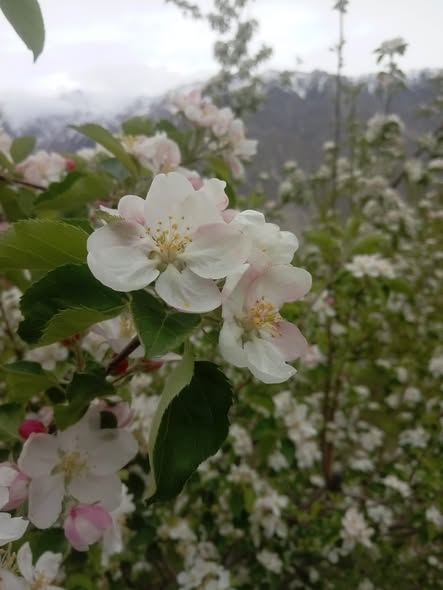
The apple is a fleshy fruit that develops from the flower of the apple tree.
Apples occur in many colours, including red, green, yellow, and combinations of these colours. Their flavour and texture vary greatly among cultivars.
Cultivated apples are eaten fresh and are also used to make juice, sauces, desserts, jams, dried fruit, and many other foods.
🌱 Apple Seeds
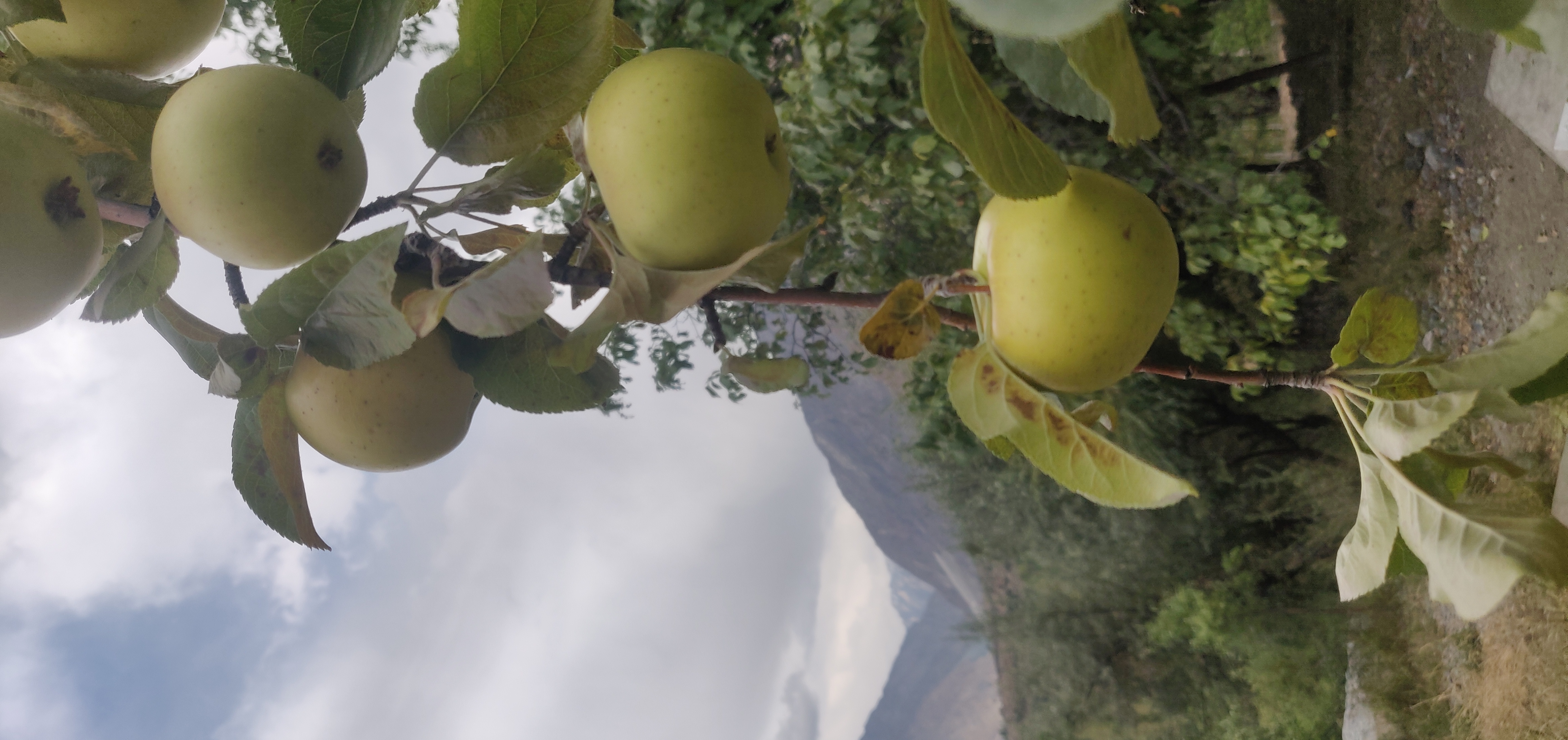
Apples contain several small seeds enclosed within the central core of the fruit.
Apple seeds naturally contain amygdalin, a compound that can release cyanide when metabolized. The seeds are therefore not intended to be consumed in large quantities.
🌍 Origin and Distribution
The history of the cultivated apple is closely connected with wild apple populations of Central Asia, particularly the region around present-day Kazakhstan.
Apples were gradually selected and cultivated over long periods, eventually spreading into Europe and other parts of the world.
Today, apple trees are cultivated across temperate regions of many countries.
📜 History of the Apple
Apples have a long history of human cultivation and trade. Archaeological and genetic evidence indicates that wild apple populations contributed to the development of modern cultivated apples.
The Silk Road played an important role in the movement and mixing of different apple populations across Eurasia.
Over centuries, people selected trees for desirable characteristics such as flavour, size, storage ability, colour, and productivity.
📚 Cultural Significance
Apples have appeared in literature, art, mythology, agriculture, and food traditions across many cultures.
In European traditions, apples have been associated with stories, symbolism, knowledge, temptation, prosperity, and seasonal harvests.
The exact meaning of the apple varies according to culture, historical period, and context.
🥗 Nutritional Value
Apples are a nutrient-rich fruit that can contribute to a balanced diet.
A typical apple provides water, carbohydrates, dietary fibre, and small amounts of several vitamins and minerals.
Apples are particularly valued as a source of dietary fibre, especially when the skin is eaten after proper washing.
❤️ Health Research
Apples have been extensively studied as part of nutritional and dietary research.
Apples contain dietary fibre and various naturally occurring plant compounds, including polyphenols and flavonoids.
Research on fruit-rich dietary patterns generally supports the importance of eating a variety of fruits as part of a healthy diet. However, eating apples should not be presented as a cure or treatment for a specific disease.
🧪 Plant Compounds
Apples contain naturally occurring phytochemicals, including flavonoids and other polyphenolic compounds.
The concentration and composition of these compounds vary among apple varieties and between different parts of the fruit.
Apple skin can contain significant amounts of certain plant compounds, although nutritional composition varies with variety, growing conditions, and storage.
🍽️ Culinary Uses
Apples are extremely versatile in cooking and food preparation.
- Eaten fresh
- Apple juice
- Apple sauce
- Pies and desserts
- Jams and preserves
- Dried apples
- Salads
- Baked and cooked dishes
Different cultivars are selected for different purposes. Some are particularly suitable for fresh eating, while others are valued for cooking, juice, or storage.
🌱 Apple Tree Cultivation
Apples are generally grown in regions with suitable seasonal temperature patterns. Many varieties require a period of winter chilling before they can flower normally.
Apple trees perform best in locations with adequate sunlight, suitable soil drainage, and sufficient water during active growth.
Commercial orchards commonly use grafted trees because grafting allows growers to combine desirable fruiting varieties with appropriate rootstocks.
🐝 Apple Pollination
Pollination is essential for successful apple production.
Bees and other insects commonly transfer pollen between apple flowers. Many apple cultivars have limited ability to produce fruit through self-pollination and therefore benefit from compatible varieties growing nearby.
Maintaining flowering plants and healthy pollinator habitats around orchards can support the insects that contribute to fruit production.
☀️ Climate Requirements
Apple varieties differ considerably in their climate requirements. Traditional temperate varieties generally require winter chilling, while some low-chill varieties are adapted to warmer climates.
Adequate sunlight during the growing season supports healthy foliage and fruit development.
Excessive heat, drought, frost during flowering, and unsuitable growing conditions can negatively affect fruit production.
🌱 Apple Propagation
Apple trees can be grown from seeds, but seedlings do not necessarily produce fruit identical to the parent tree.
Commercial apple production therefore commonly relies on grafting. A desired fruiting variety is grafted onto a selected rootstock.
This allows growers to maintain the characteristics of known cultivars and control tree size and other horticultural traits.
🌍 Ecological Importance
Apple trees can provide food and habitat resources for insects, birds, and other organisms.
Apple blossoms provide pollen and nectar for pollinating insects, while fallen fruit can provide food for wildlife.
Wild relatives of cultivated apples are particularly important genetic resources for breeding and maintaining diversity within the genus Malus.
🐝 Apple Trees and Wildlife
Apple blossoms attract bees and other insects during flowering.
Mature trees can provide nesting or shelter opportunities for some birds and insects, while fallen apples can become a food source for wildlife.
Maintaining diverse orchard habitats can increase the ecological value of cultivated landscapes.
🔎 How to Identify an Apple Tree
Apple trees can be identified by observing their leaves, flowers, bark, growth habit, and fruit.
- Deciduous woody tree
- Oval or elliptic leaves
- Serrated leaf margins
- White to pinkish spring flowers
- Fleshy fruits with a central seed-containing core
- Rounded or spreading crown depending on variety
- Characteristic apple fruit
Identification is most reliable when several characteristics are considered together rather than relying on fruit colour alone.
🍎 Apple Varieties
Thousands of apple cultivars and named varieties have been developed or maintained around the world.
Varieties differ in fruit colour, sweetness, acidity, texture, aroma, harvest time, storage life, and suitability for cooking or fresh consumption.
Examples of well-known apple cultivars include Gala, Fuji, Granny Smith, Golden Delicious, Red Delicious, and Honeycrisp.
❄️ Apple Storage
Apples are valued commercially partly because many varieties can be stored for extended periods under controlled conditions.
Cool temperatures and appropriate humidity can help slow quality loss after harvest.
Storage life varies considerably between cultivars and depends on harvesting conditions and storage methods.
🌳 Environmental Importance
Apple orchards can contribute to green landscapes and provide resources for pollinators and other organisms.
However, intensive agriculture can have environmental impacts depending on irrigation, pesticide use, soil management, and surrounding biodiversity.
Integrated pest management, habitat conservation, and responsible water and soil management can help improve the sustainability of apple production.
🌱 Conservation of Apple Genetic Diversity
Wild apple relatives and traditional apple varieties are valuable genetic resources.
Genetic diversity can help breeders develop varieties with useful characteristics such as disease resistance, climate adaptation, fruit quality, and improved resilience.
Conserving old orchards, traditional cultivars, and wild Malus populations can therefore be important for future agriculture.
⚠️ Important Information
Apples are generally consumed as a food and can be part of a balanced diet. They should not be described as a substitute for medical treatment.
Apple seeds contain amygdalin and should not be deliberately consumed in large quantities.
Wash fresh apples before eating them, particularly when the skin is consumed.
🍎 Why Is the Apple Important?
Apple is important because it combines nutritional, agricultural, economic, ecological, and cultural value.
- One of the world's major fruit crops
- Important source of dietary fibre
- Rich source of diverse plant compounds
- Provides food and habitat resources for pollinators
- Has a long history of human cultivation
- Available in thousands of cultivars
- Important genetic resources exist among wild Malus species
🌿 Apple at a Glance
- Common name: Apple
- Scientific name: Malus domestica
- Family: Rosaceae
- Plant type: Deciduous fruit tree
- Fruit: Fleshy fruit containing seeds
- Flowering: Generally spring
- Pollination: Commonly dependent on insect pollinators
- Major uses: Fresh fruit, juice, cooking, desserts, preserves