🌿 Acacia
Acacia
Acacia is a large group of flowering plants known for their distinctive foliage, fragrant flowers, seed pods, and important ecological relationships. Acacias occur in many warm regions of the world and are especially diverse in Australia and Africa.
🌿 Botanical Information
The name Acacia refers to a large genus of flowering plants in the legume family, Fabaceae. The genus contains many species with different forms, habitats, leaves, flowers, and ecological adaptations.
Acacias include trees, shrubs, and smaller woody plants. Many species are adapted to dry or seasonally dry environments.
Scientific Classification
- Kingdom: Plantae
- Family: Fabaceae
- Genus: Acacia
- Common name: Acacia
- Plant type: Tree or shrub
🔬 About the Name Acacia
Acacia is a taxonomically complex group, and its classification has changed over time. Many plants historically called Acacia have been reassigned to other genera.
For this reason, the exact scientific name is important when identifying an individual Acacia plant. Different Acacia species can have very different characteristics and uses.
🌳 Description of Acacia Plants
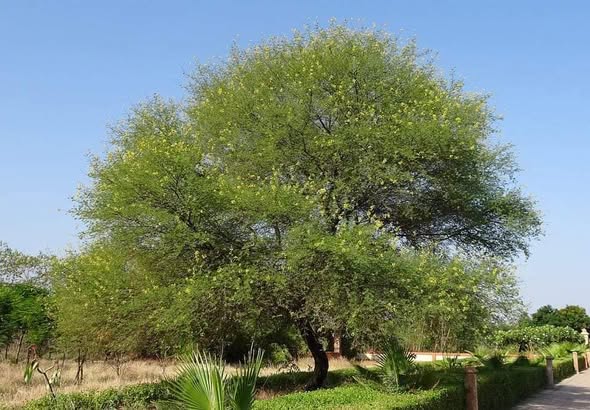
Acacia species vary considerably in size and appearance. Some develop into tall trees while others remain smaller shrubs.
Many species have compound leaves or flattened leaf structures known as phyllodes. These structures can help reduce water loss in species adapted to dry environments.
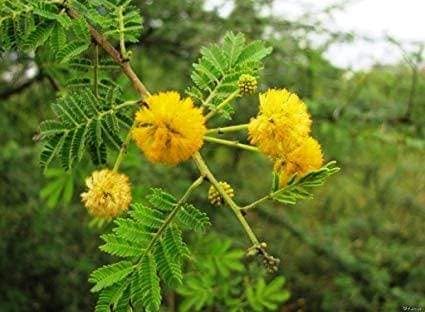
Many Acacias produce small flowers arranged into rounded heads or elongated spikes. Their flowers can be yellow, cream, or other colours depending on the species.
🌍 Native Regions and Distribution
Acacia species occur naturally across several continents, particularly in tropical, subtropical, and warm temperate regions.
Australia is especially well known for its large diversity of Acacia species. Acacias are also native to parts of Africa, Asia, and the Americas.
Individual species have specific native ranges, so their distribution should be considered at the species level.
📜 History and Cultural Importance
Acacia species have been used by human communities for food, timber, fuel, traditional materials, and cultural purposes for centuries.
Several Acacia species have played important roles in the traditional economies of dryland communities because they can survive difficult environmental conditions.
Acacia also has symbolic significance in different cultures and appears in traditional art, literature, and landscapes.
🌼 Acacia Flowers
Acacia flowers are among the most recognizable features of many species. They are commonly arranged in dense spherical heads or cylindrical spikes.
Many species produce yellow or golden flowers with numerous prominent stamens, creating a soft and bright appearance.
The flowers can attract bees, butterflies, and other insects, making many Acacia species important sources of nectar and pollen.
🍃 Acacia Leaves
Acacia foliage varies greatly between species. Some have finely divided compound leaves, while others have flattened structures called phyllodes.
Phyllodes are modified leaf stalks that perform much of the photosynthetic function. They are particularly common among Australian Acacia species.
Many Acacias have foliage adapted to reduce water loss, allowing them to survive in dry environments.
🌵 Thorns and Protection
Some Acacia species possess sharp spines or thorn-like structures, while others are spineless.
Spines can provide protection against herbivores. In some Acacia species, relationships with ants also contribute to plant protection.
The presence or absence of spines is therefore an important characteristic when identifying particular Acacia species.
🌿 Traditional Uses
Different Acacia species have been used traditionally for a wide range of purposes, including fuel, fencing, construction, tools, food products, dyes, and other household materials.
Traditional Knowledge
Some Acacia species have been important in traditional medicine and food systems, while their wood, bark, seeds, and gums have also been used in different communities.
Traditional uses differ significantly between Acacia species and geographic regions. The identity of the species should always be established before considering a particular traditional use.
🧪 Acacia Gum
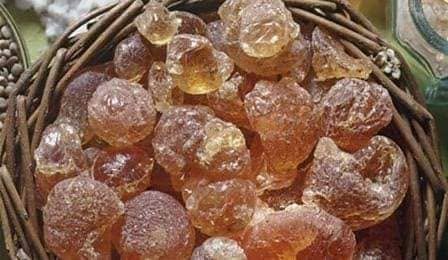
Some Acacia species produce natural gums that have been collected and used for centuries.
Gum arabic, one of the best-known plant gums, is obtained primarily from certain African Acacia-related species. It has applications in food, beverages, pharmaceuticals, cosmetics, printing, and other industries.
Because plant classification has changed over time, species associated with the production of gum arabic may now be placed in genera other than Acacia.
🪵 Acacia Wood
Acacia wood is valued in many regions for its hardness, durability, attractive grain, and resistance to certain environmental conditions.
Depending on the species, Acacia timber may be used for furniture, flooring, tools, construction, fencing, charcoal, and decorative woodworking.
🧪 Chemical Constituents
Acacia species contain a wide variety of naturally occurring compounds. Their chemical composition differs substantially between species and between plant parts.
Research has identified compounds such as tannins, flavonoids, phenolic compounds, terpenes, and other phytochemicals in different Acacia species.
Some species also produce gums and other specialized plant substances that have commercial and industrial importance.
🔬 Scientific Research
Acacia species have been studied in botanical, ecological, agricultural, forestry, phytochemical, and food-science research.
Researchers have investigated different Acacia extracts and compounds for antioxidant, antimicrobial, and other biological activities.
Laboratory findings should not automatically be interpreted as proven medical effects in humans. Scientific evidence varies between species, extracts, doses, and research methods.
🌍 Ecological Importance
Acacias can play major roles in their native ecosystems. Their flowers provide nectar and pollen for insects, while their foliage, seeds, and structures support a variety of animals.
As members of the legume family, many Acacia species form relationships with soil microorganisms that contribute to nitrogen cycling.
Acacia trees and shrubs can also provide shade, shelter, and protection from wind and soil erosion in suitable landscapes.
🌱 Cultivation
Acacia cultivation depends strongly on the species. Many species prefer full sunlight and well-drained soil.
Some Acacias are highly drought tolerant and can perform well in dry climates once established, while others require more moisture.
When planting an Acacia, it is important to select a species suited to the local climate and soil conditions.
🌾 Agricultural and Economic Importance
Acacias contribute to agriculture, forestry, livestock systems, honey production, fuelwood supplies, timber production, and other rural economies.
Some species are also planted for land restoration, windbreaks, shade, erosion control, and rehabilitation of degraded land.
However, some Acacia species introduced outside their native ranges can become invasive. Careful species selection and local environmental assessment are therefore important.
🐦 Acacia and Wildlife
Acacia ecosystems can support a wide variety of insects, birds, mammals, and other organisms.
Some Acacia species have particularly complex relationships with ants. The plant can provide food or shelter to ants, while the ants may defend the plant against herbivores.
These relationships demonstrate the important ecological role that Acacia species can play within their native habitats.
🔎 How to Identify Acacia
Identifying Acacia requires looking at several features because the genus contains many species with different appearances.
- Tree or shrub growth form
- Compound leaves or phyllodes
- Small flowers arranged in heads or spikes
- Often yellow or golden flowers
- Seed pods after flowering
- Some species have spines
- Many species have distinctive bark
For accurate identification, examine the leaves, flowers, pods, bark, growth form, habitat, and geographic location together.
🌱 Conservation
Conservation needs differ among Acacia species. Some are common and widespread, while others have restricted distributions and require habitat protection.
Protecting native forests and dryland ecosystems is important for conserving Acacia biodiversity and the wildlife associated with these plants.
Responsible planting is also important because some Acacia species can spread aggressively when introduced into environments where they do not naturally occur.
🕊️ Cultural Significance
Acacia species have cultural importance in many regions. Their flowers, wood, gum, and other materials have been incorporated into traditional practices and local economies.
Acacia is also represented in traditional landscapes, artwork, botanical gardens, and national or regional symbolism in different parts of the world.
⚠️ Important Information
"Acacia" represents a large and diverse group of plants. Different species can have very different properties, uses, and safety considerations.
Information about one Acacia species should not automatically be applied to another species.
Plant material, extracts, or traditional preparations should not be used to treat medical conditions without appropriate professional guidance.
🔬 Why Study Acacia?
Acacia is important from botanical, ecological, agricultural, economic, cultural, and environmental perspectives.
Studying Acacia helps us understand plant adaptation to dry environments, plant-animal relationships, soil ecology, sustainable forestry, traditional knowledge, and biodiversity conservation.