🌲 Cedar/Deodar
Cedrus deodara
Cedar refers to a group of majestic evergreen coniferous trees in the genus Cedrus. Cedar trees are known for their aromatic wood, needle-like leaves, large upright cones, and importance in mountain forests and landscapes.

🌿 Botanical Information
True cedars belong to the genus Cedrus, which is part of the pine family, Pinaceae.
They are evergreen coniferous trees adapted to mountainous and temperate environments. Cedar species are recognized for their distinctive growth form, persistent needle-like leaves, and characteristic cones.
Scientific Classification
- Kingdom: Plantae
- Family: Pinaceae
- Genus: Cedrus
- Common name: Cedar
- Plant type: Evergreen coniferous tree
🌲 Main Cedar Species
The genus Cedrus contains several recognized cedar species. Important examples include:
- Cedrus deodara — Deodar cedar, native to the western Himalayas.
- Cedrus libani — Cedar of Lebanon, associated with the mountains of the eastern Mediterranean.
- Cedrus atlantica — Atlas cedar, native to the Atlas Mountains of North Africa.
- Cedrus brevifolia — Cyprus cedar, native to Cyprus.
Because the common name "cedar" is also applied to unrelated trees, correct botanical identification should rely on scientific characteristics and the scientific name.
🌳 Description of Cedar Trees
Cedar trees are generally large, long-lived evergreen trees with strong trunks and broad or conical crowns. Some species develop distinctive horizontal or slightly drooping branches.
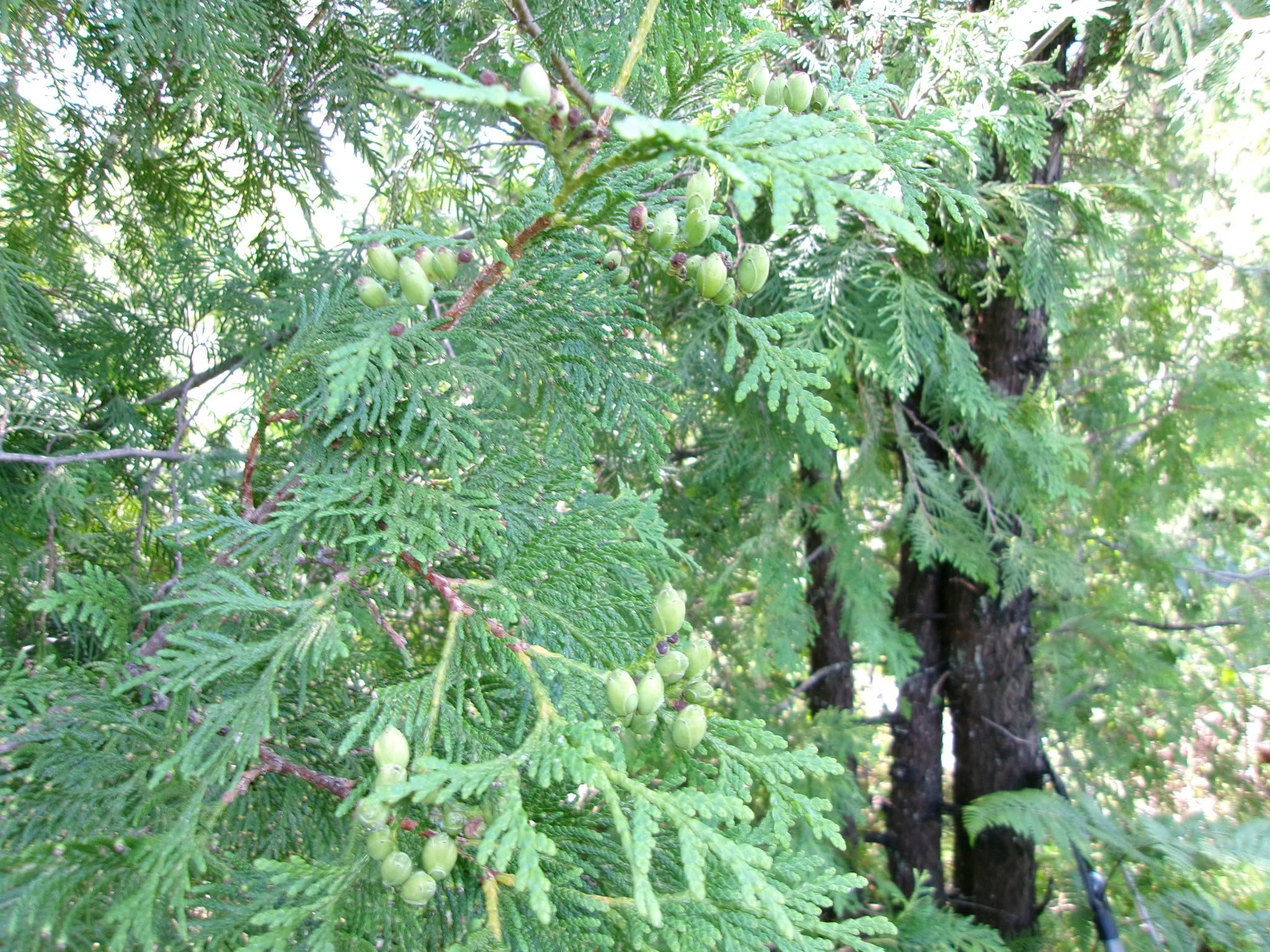
Their leaves are needle-like and occur in clusters on specialized short shoots. The foliage remains on the tree throughout the year.
Cedar trees produce woody cones that mature while attached upright on the branches. The cones eventually break apart to release their seeds.
🌍 Native Regions and Distribution
True cedars are native to mountainous regions around the Mediterranean and the western Himalayan region of Asia, found breifly in Gilgit Baltistan.
Different species occupy different geographic areas. Deodar cedar is associated with the western Himalayas, Gilgti Baltistan while Cedar of Lebanon occurs naturally in parts of the eastern Mediterranean region.
Cedars have also been planted widely outside their natural ranges as ornamental, forestry, and landscape trees.
📜 History and Cultural Importance
Cedar trees have been valued by human societies for thousands of years because of their durable, fragrant wood and impressive size.
Cedar of Lebanon in particular has a long history of cultural and historical importance in the eastern Mediterranean.
Cedar wood was historically used in construction, furniture, vessels, decorative objects, and other products where durable and aromatic timber was valued.
🪵 Cedar Wood
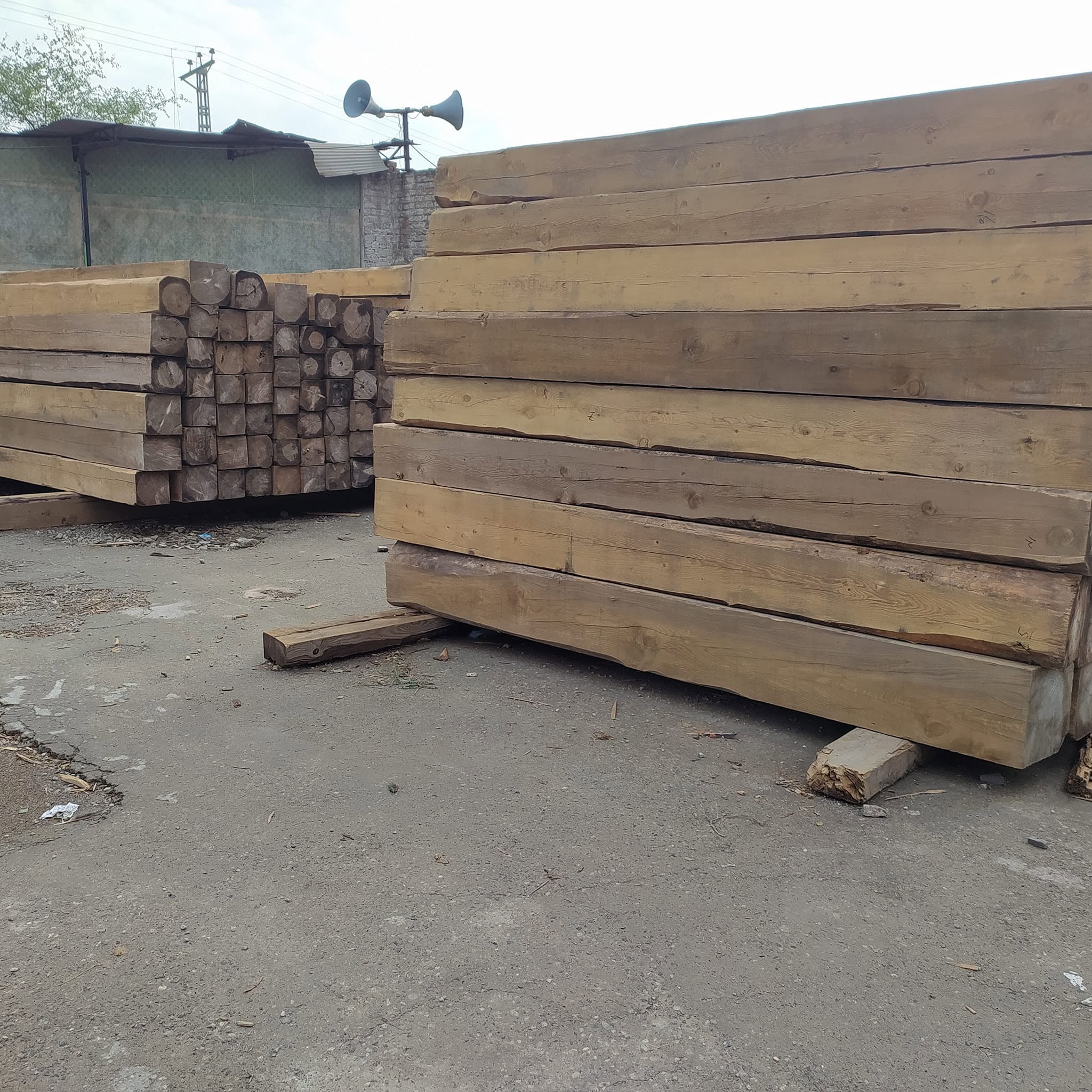
Cedar wood is valued for its pleasant fragrance, workability, and natural durability. The exact properties vary between species.
Cedar timber has traditionally been used for construction, furniture, cabinetry, carving, interior applications, and other woodworking purposes.
The aromatic nature of some cedar woods has also made them popular for storage products and decorative applications.
🌿 Traditional Uses
Cedar has been used traditionally for timber, construction, aromatic products, cultural purposes, and household applications.
Traditional Knowledge
Different cedar species and their wood have been used by communities in their native regions for building materials, tools, furniture, incense, aromatic products, and other cultural purposes.
Traditional use varies according to the cedar species and local cultural practices.
🧪 Chemical Constituents
Cedar wood and foliage contain naturally occurring aromatic compounds and volatile oils.
The chemical composition varies considerably among species and between different parts of the tree.
Compounds present in cedar-derived oils have been studied in areas including fragrance chemistry, wood science, and natural-product research.
🔬 Scientific Research
Cedar species have been investigated in botanical, ecological, forestry, wood-science, and natural-product research.
Research has examined cedar essential oils and other plant compounds for various biological properties, while forestry research has investigated cedar growth, timber quality, and adaptation to different environments.
Laboratory findings involving cedar extracts or oils should not automatically be interpreted as proven medical effects in humans.
🌍 Ecological Importance
Cedar forests can play important ecological roles in mountainous environments. Mature trees provide habitat, shade, organic matter, and structural diversity within forest ecosystems.
Cedar forests can also contribute to soil stability and watershed protection, particularly in mountainous landscapes.
The ecological importance of each cedar species depends on its native environment and associated plant and animal communities.
🌱 Cultivation
Cedar species are generally cultivated in climates that match their natural environmental requirements.
Most require adequate sunlight, suitable soil drainage, and sufficient space for their large root systems and mature crowns.
Because cedar trees can become very large and long-lived, their mature size should be considered before planting them near buildings, roads, or underground infrastructure.
🔎 How to Identify Cedar
True cedar species can be recognized by a combination of their evergreen coniferous growth, needle-like leaves, clustered foliage, large upright cones, and overall tree form.
- Large evergreen coniferous tree
- Needle-like leaves
- Leaves occur in clusters on short shoots
- Strong woody trunk
- Distinctive woody cones
- Aromatic wood in many species
The common name "cedar" is used for several unrelated trees. Therefore, scientific identification is important when determining the exact species.
🐦 Cedar and Wildlife
Cedar trees provide habitat and shelter for birds, insects, and other organisms associated with forest ecosystems.
Their large branches and evergreen foliage can provide year-round cover, while their seeds and associated forest vegetation contribute to local food webs.
🌱 Conservation
Some cedar populations face pressures from habitat loss, environmental change, pests, disease, and unsustainable harvesting.
Protecting natural forests, supporting sustainable forestry, and preserving genetic diversity are important for the long-term conservation of cedar species.
Native cedar forests are particularly valuable because they support ecological communities that cannot always be recreated through isolated plantation trees.
🕊️ Cultural Significance
Cedar has been associated with strength, longevity, beauty, and endurance in various cultures.
The Cedar of Lebanon has particular historical significance and is strongly associated with the cultural heritage of the eastern Mediterranean.
Cedar trees have also been used in gardens, parks, religious landscapes, and other culturally significant places.
⚠️ Important Information
Information on this page is provided for educational purposes only. Cedar is a group of trees rather than one single species, and properties can differ significantly between species.
Cedar oils and concentrated plant extracts should be used with appropriate caution. They should not be ingested or used medicinally without appropriate professional guidance.
Always identify the exact cedar species before using plant material for any specific purpose.
🔬 Why Study Cedar?
Cedar trees are important from botanical, ecological, forestry, historical, cultural, and economic perspectives.
Studying cedar helps us understand coniferous forests, sustainable timber resources, mountain ecosystems, plant conservation, and the relationship between forests and human civilizations.