🥭 Mango
Mangifera indica
Mango is a tropical fruit tree widely cultivated for its sweet, aromatic fruit. It has a long history of cultivation in South Asia and is now grown throughout many tropical and subtropical regions of the world.
🌿 Botanical Information
Mango, scientifically known as Mangifera indica, is a flowering plant belonging to the family Anacardiaceae.
The species is cultivated primarily for its edible fruit. Mango trees are long-lived and can develop large crowns under suitable tropical conditions.
Scientific Classification
- Kingdom: Plantae
- Family: Anacardiaceae
- Genus: Mangifera
- Species: Mangifera indica
- Common name: Mango
🌳 Description of the Mango Tree
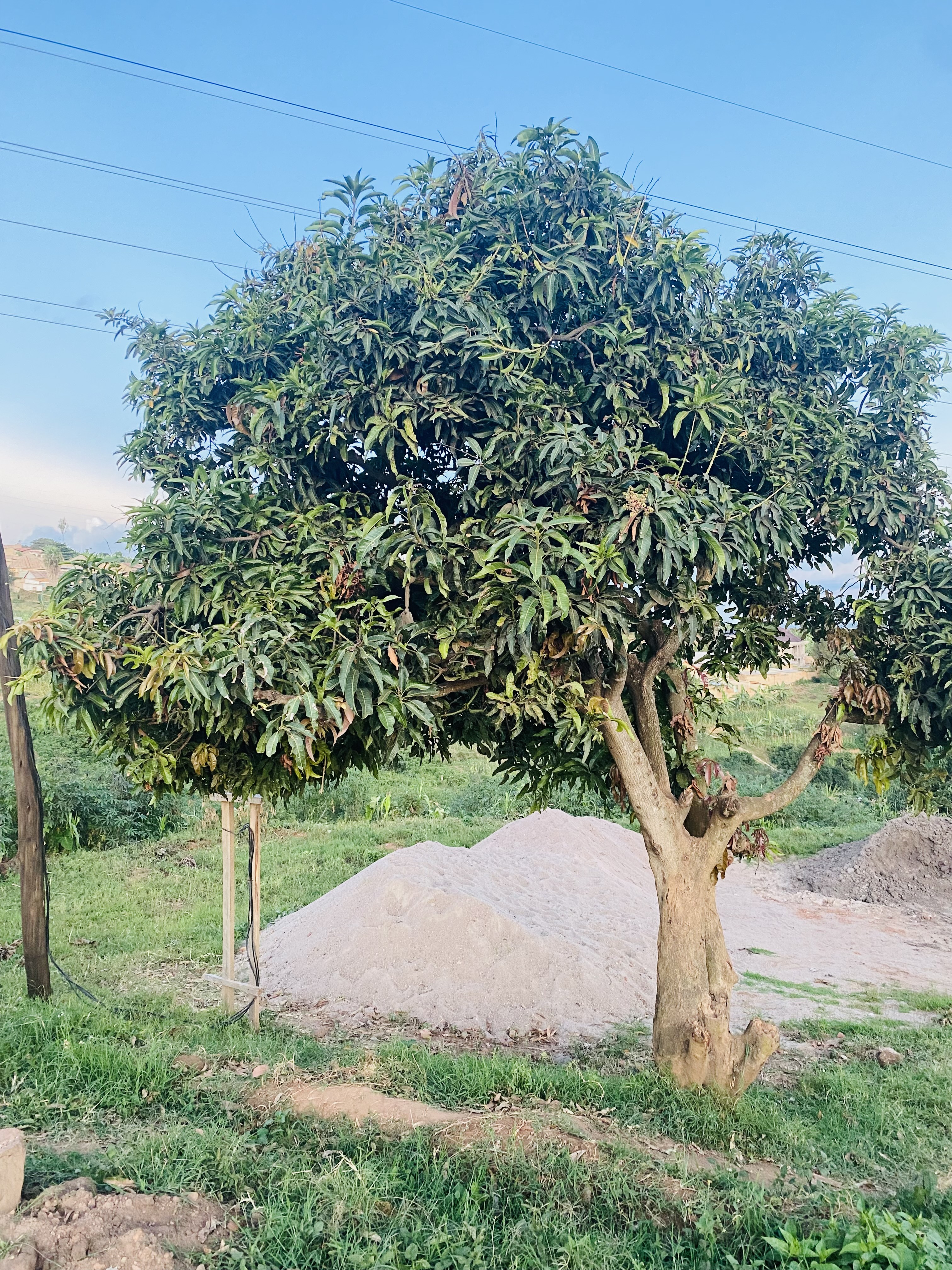
Mango is a large evergreen tree with a dense, rounded canopy. Mature trees can reach substantial heights and may live for many decades.
The leaves are simple, elongated, and leathery. Young leaves often appear reddish, copper-colored, or bronze before becoming green as they mature.
Mango trees produce branched clusters of small flowers. Following flowering, some flowers develop into the familiar fleshy mango fruit.
🌍 Native Region and Distribution
Mango is native to South Asia, with its historical origin and domestication closely associated with the Indian subcontinent and surrounding regions.
Mango cultivation has spread widely throughout tropical and subtropical areas, including parts of Southeast Asia, Africa, Central America, South America, and other warm regions.
The tree generally performs best in warm climates with suitable sunlight, soil, and seasonal conditions.
📜 History and Cultural Importance
Mango has been cultivated in South Asia for thousands of years and has become deeply connected with regional agriculture, cuisine, literature, art, and cultural traditions.
Through centuries of cultivation and selection, numerous mango varieties have developed, differing in fruit size, colour, aroma, texture, sweetness, and season of maturity.
Mango is now one of the world's most important tropical fruit crops.
🥭 Mango Fruit
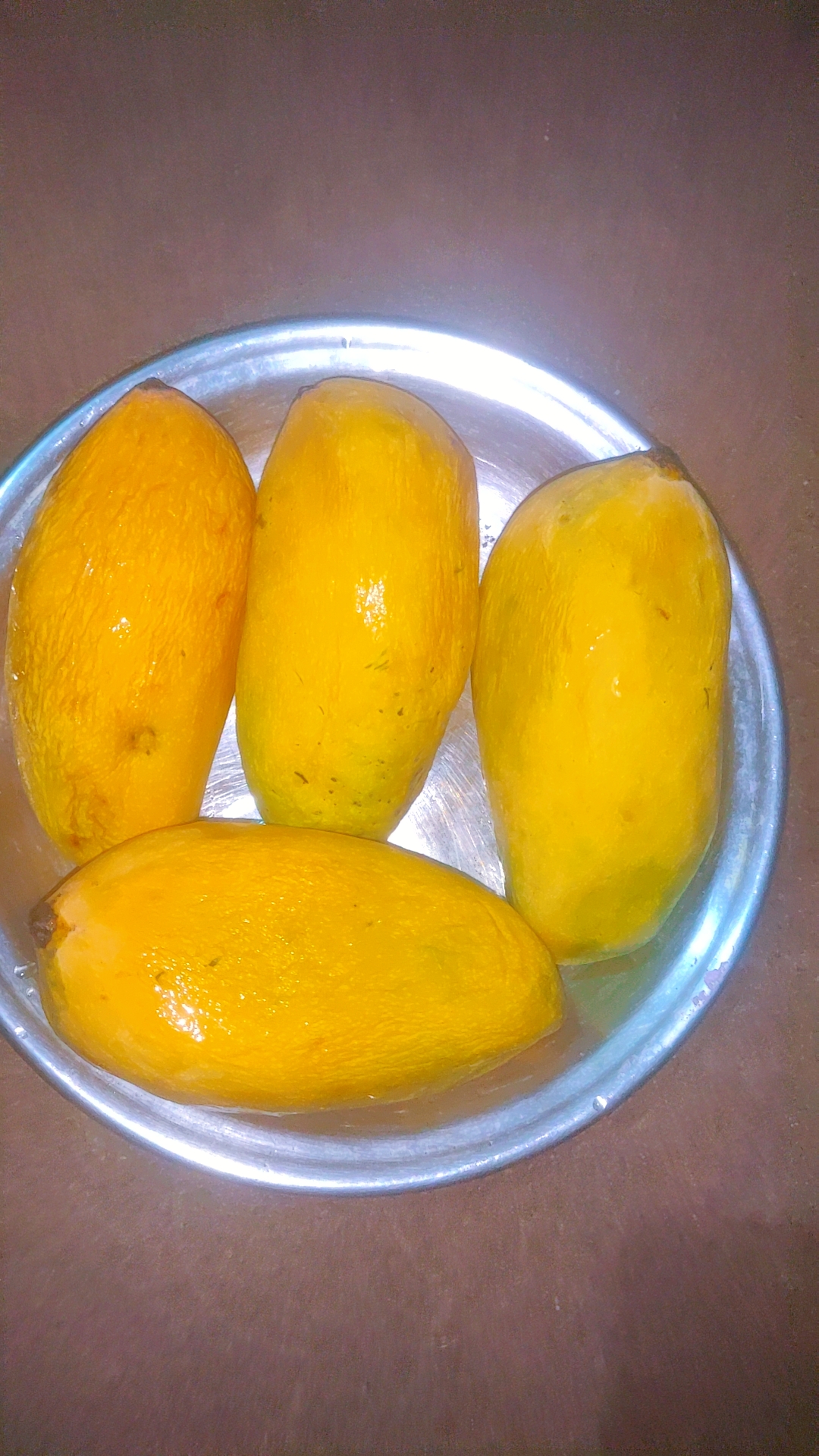
Mango fruit is a fleshy drupe containing a single large seed. Depending on the variety, the skin may be green, yellow, orange, red, or a combination of these colours when mature.
The flesh can range from pale yellow to deep orange and may have a smooth or fibrous texture. Mature mangoes are generally sweet and aromatic.
Unripe mangoes are also widely used in cooking, pickling, chutneys, beverages, and other traditional foods.
❤️ Nutritional Value
Mango fruit provides carbohydrates, dietary fibre, vitamin C, vitamin A precursors such as carotenoids, and other naturally occurring plant compounds.
The nutritional composition varies according to mango variety, maturity, growing conditions, and serving size.
Mango can contribute to a varied diet when consumed as part of balanced eating habits.
🌿 Traditional Uses
Mango has traditionally been valued primarily as a food plant. Different parts of the tree have also been used in various traditional cultural and household practices.
Traditional Knowledge
Mango fruit, leaves, bark, flowers, and seeds have appeared in traditional practices in different regions. These uses vary between cultures and should be distinguished from effects established through modern scientific research.
Traditional use alone does not establish that a mango preparation is effective for treating a medical condition.
🧪 Chemical Constituents
Mango contains a variety of naturally occurring compounds, including carbohydrates, organic acids, carotenoids, polyphenols, flavonoids, vitamins, and other plant constituents.
The composition differs between the fruit, peel, seed, leaves, flowers, and other parts of the tree.
Compounds such as mangiferin have attracted scientific interest and have been investigated in laboratory and nutritional research.
🔬 Scientific Research
Mango and its different plant components have been investigated in nutritional, agricultural, food-science, and laboratory research.
Research has examined the antioxidant properties and biological activities of various compounds found in mango fruit and other parts of the plant.
Laboratory findings should not automatically be interpreted as proven medical effects in humans. The strength of evidence depends on the specific compound, preparation, dose, and research design.
🌰 Mango Seed
The mango fruit contains a large seed surrounded by the edible flesh. Mango seeds contain their own mixture of fats, carbohydrates, fibre, and plant compounds.
Mango seed products have been investigated for food, agricultural, and industrial applications. However, the seed is not equivalent to the edible fruit flesh and should not be consumed or prepared without appropriate knowledge of the specific variety and method.
🍃 Mango Leaves
Mango leaves are long, narrow, leathery, and usually dark green when mature. Young leaves can have striking reddish or bronze coloration.
Mango leaves have cultural and traditional significance in several South Asian communities and are also of interest in botanical and phytochemical research.
🌱 Cultivation
Mango trees generally require warm conditions and adequate sunlight. They can grow in a range of soils when drainage and moisture conditions are suitable.
Mangoes can be propagated from seeds, although commercial cultivation commonly uses grafting and other vegetative methods to maintain desirable fruit characteristics.
Proper irrigation, nutrition, pruning, pest management, and protection from unsuitable weather conditions are important for productive mango orchards.
🌾 Agricultural Importance
Mango is an economically important fruit crop in many tropical and subtropical countries.
Mango cultivation supports farmers, fruit markets, food-processing industries, export businesses, and a wide range of local food systems.
Mango fruit is consumed fresh and is also processed into juices, dried products, pickles, chutneys, purees, sauces, and other foods.
🌍 Environmental Importance
Mature mango trees provide shade, biomass, shelter, and habitat for a variety of organisms.
Flowering mango trees can provide resources for insects, while the tree itself can contribute to soil protection and local biodiversity when incorporated into suitable agricultural landscapes.
🔎 How to Identify Mango
Mango can often be recognized by its large evergreen growth habit, leathery lance-shaped leaves, clustered flowers, and distinctive fleshy fruit containing a large single seed.
- Large evergreen tree
- Dense rounded crown
- Long leathery leaves
- Young leaves often reddish or bronze
- Small flowers in branched clusters
- Fleshy fruit containing one large seed
🕊️ Cultural Significance
Mango has an important place in South Asian culture and is frequently associated with hospitality, seasonal celebrations, literature, art, and traditional cuisine.
Mango leaves and fruit also appear in a variety of cultural practices and decorative traditions.
⚠️ Important Information
Information on this page is provided for educational purposes only. Traditional uses and descriptions of scientific research should not be interpreted as medical advice.
Mango fruit is generally consumed as food, but allergies and individual sensitivities can occur. Concentrated extracts or preparations made from other parts of the plant should not be treated as equivalent to ordinary dietary consumption.
🔬 Why Study Mango?
Mango is important from botanical, agricultural, nutritional, ecological, economic, historical, and cultural perspectives.
Studying mango helps us understand tropical fruit cultivation, plant diversity, food systems, plant chemistry, traditional knowledge, and the relationship between plants and human societies.