🌿 Neem
Azadirachta indica
Neem is a well-known evergreen tree native to the Indian subcontinent and widely cultivated in tropical and subtropical regions. It has a long history of use in traditional practices, agriculture, personal care, and plant-based preparations.
🌿 Botanical Information
Neem, scientifically known as Azadirachta indica, is an evergreen tree belonging to the mahogany family, Meliaceae.
The tree is known for its compound leaves, fragrant white flowers, and olive-like fruits. Different parts of the plant have been used traditionally for food-related, household, agricultural, and medicinal purposes.
Scientific Classification
- Kingdom: Plantae
- Family: Meliaceae
- Genus: Azadirachta
- Species: Azadirachta indica
- Common names: Neem, Indian lilac
🌳 Description of the Neem Tree
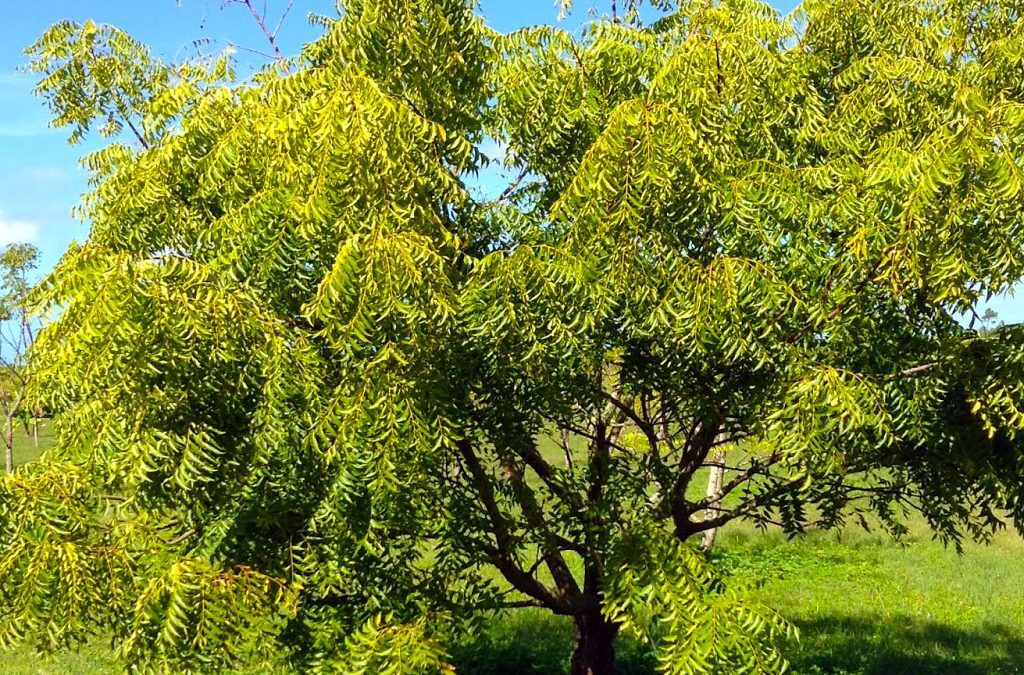
Neem is a medium- to large-sized evergreen tree with a broad, spreading crown. Under suitable conditions, mature trees can develop a substantial trunk and extensive branches.
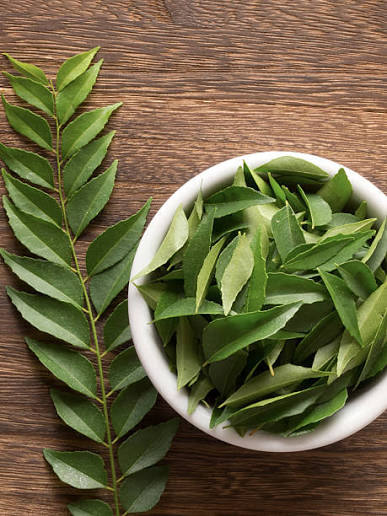
The leaves are pinnate and composed of numerous serrated leaflets. Young leaves are often lighter green and become darker as they mature.
Neem produces small, fragrant, white flowers. The fruits are smooth, oval-shaped drupes that generally become yellowish when mature.
🌍 Native Region and Distribution
Neem is native to the Indian subcontinent and is particularly associated with India and neighboring regions of South Asia.
The species has been introduced and cultivated in many tropical and subtropical regions of Africa, Asia, the Americas, and other warm parts of the world.
Neem is generally well adapted to warm climates and can tolerate periods of relatively dry conditions once established.
📜 History and Cultural Importance
Neem has a long history of association with traditional practices in South Asia. Its leaves, bark, flowers, fruits, seeds, and oil have been used in a wide range of traditional applications.
Neem trees are commonly planted around homes, agricultural areas, roadsides, and community spaces in regions where the climate is suitable.
The plant has also become internationally known because of its natural insect-repellent and agricultural applications.
🌿 Traditional Uses
Neem has been used traditionally in South Asian systems of herbal knowledge. Different plant parts have been prepared and used in different ways depending on the cultural tradition.
Traditional Knowledge
Neem leaves, bark, seeds, and oil have traditionally been used in personal care, household practices, and plant-based preparations. Traditional uses vary between communities and should be distinguished from effects established through modern clinical research.
Historical use of neem does not by itself establish that a particular preparation is effective for treating a medical condition.
🫒 Neem Oil
Neem oil is obtained primarily from the seeds of the neem tree. It contains a complex mixture of fatty acids and other naturally occurring compounds.
Neem oil has been widely studied for agricultural applications, particularly because some of its constituents can affect insects.
Neem oil is also used in some traditional personal-care and household products.
🌱 Agricultural Importance
Neem is particularly important in agriculture because compounds obtained from its seeds have insect-related properties.
One of the best-known neem compounds is azadirachtin, which has been studied for its effects on insect feeding, growth, and development.
Neem-derived products are therefore used in some agricultural and pest-management systems as botanical alternatives or complements to synthetic pest-control methods.
🧪 Chemical Constituents
Neem contains many naturally occurring compounds distributed throughout different parts of the plant.
Important compounds investigated in neem include azadirachtin, nimbin, salannin, and related limonoids.
The concentration and composition of these compounds can vary according to the plant part, geographical origin, growing conditions, maturity, and extraction method.
❤️ Health and Scientific Research
Neem has been the subject of laboratory, animal, and other scientific research investigating its biological properties.
Research has examined compounds from neem for antimicrobial, antioxidant, insect-related, and other biological activities.
However, laboratory or preliminary research should not be treated as proof that neem products can prevent or cure diseases in humans. Evidence depends on the specific preparation, dose, and condition being studied.
🌍 Environmental Importance
Neem can be useful in dry and tropical landscapes because of its tolerance of relatively difficult growing conditions.
The tree can provide shade and habitat while its flowers can provide resources for insects. Neem is also valued in some agroforestry and land-management systems.
As with any introduced species, its suitability for planting should be considered in relation to local ecosystems and environmental conditions.
🔎 How to Identify Neem
Neem can often be recognized by its compound leaves, serrated leaflets, small white flowers, and smooth yellowish fruits.
- Medium- to large-sized evergreen tree
- Broad spreading crown
- Pinnate compound leaves
- Serrated green leaflets
- Small fragrant white flowers
- Oval yellowish fruits when mature
🌱 Cultivation
Neem grows best in warm climates and generally prefers sunny conditions. Once established, it can tolerate periods of drought.
The tree can be propagated from seeds, although seed viability may decline after storage. Young plants require appropriate moisture and protection while becoming established.
Neem is commonly cultivated as a shade tree, roadside tree, agricultural resource, and source of botanical products.
⚠️ Important Information
Information on this page is provided for educational purposes only. Traditional uses and descriptions of scientific research should not be interpreted as medical advice.
Neem preparations can vary greatly in concentration and composition. Some concentrated neem products may be harmful if used improperly or swallowed. Consult a qualified healthcare professional before using concentrated neem preparations for health purposes.
🔬 Why Study Neem?
Neem is important from botanical, agricultural, environmental, ethnobotanical, chemical, and cultural perspectives.
Studying neem provides an opportunity to understand plant-derived compounds, traditional plant knowledge, sustainable agriculture, botanical pest management, and the relationship between plants and human societies.