🌿 Ashoka
Saraca asoca
Ashoka is a beautiful evergreen tree native to the Indian subcontinent and valued for its attractive foliage, fragrant flowers, cultural significance, and long history of traditional use. It is especially known for its clusters of bright flowers that change colour as they mature.
🌿 Botanical Information
Ashoka, scientifically known as Saraca asoca, is a flowering tree belonging to the legume family, Fabaceae.
The species is widely recognized for its dense evergreen foliage and attractive clusters of fragrant flowers. It has been cultivated as an ornamental and culturally important tree in many parts of South Asia.
Scientific Classification
- Kingdom: Plantae
- Family: Fabaceae
- Genus: Saraca
- Species: Saraca asoca
- Common names: Ashoka, Ashok tree
🌳 Description of the Ashoka Tree
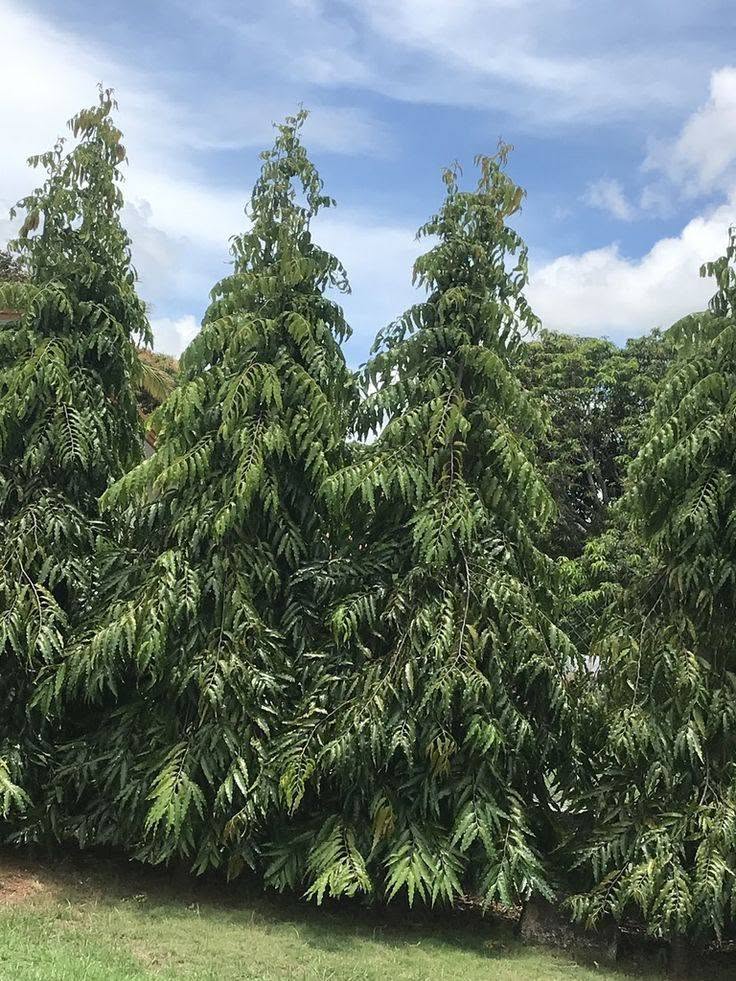
Ashoka is a small to medium-sized evergreen tree with a dense, rounded or spreading crown. Its foliage gives the tree an attractive appearance throughout much of the year.
The leaves are compound and consist of several elongated leaflets arranged along a central stalk. Young leaves may appear reddish or copper-coloured before turning green.
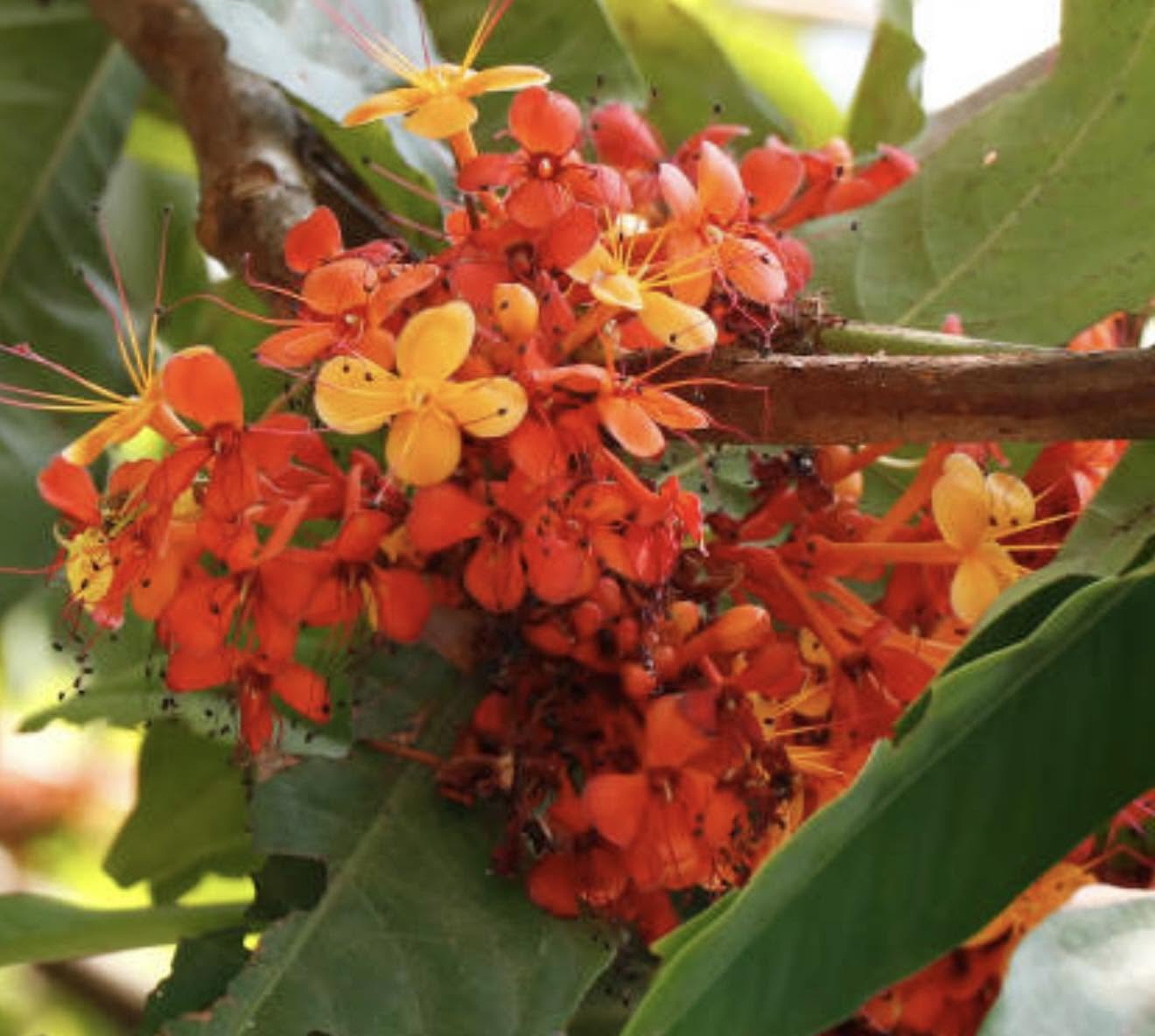
Ashoka is particularly famous for its clusters of fragrant flowers. The flowers may begin with yellow or orange tones and become deeper orange or reddish as they mature.
🌍 Native Region and Distribution
Saraca asoca is native to parts of the Indian subcontinent and occurs naturally in tropical forest environments.
The tree is associated with regions of India, Nepal, Bangladesh, Sri Lanka, and other parts of South and Southeast Asia.
It is also cultivated outside its natural range as an ornamental and culturally important tree in suitable tropical and subtropical climates.
📜 History and Cultural Importance
The Ashoka tree has a long history of cultural and literary significance in South Asia. Its name is derived from Sanskrit, with ashoka commonly interpreted as relating to freedom from sorrow.
The tree has appeared in South Asian literature, art, gardens, and traditional cultural practices for centuries.
Ashoka is also associated with Buddhist and Hindu cultural traditions and has been regarded as an important ornamental and sacred tree.
🌿 Traditional Uses
Different parts of the Ashoka tree have been used traditionally in South Asian systems of herbal knowledge.
Traditional Knowledge
The bark, flowers, seeds, and other parts of Ashoka have appeared in traditional plant-based preparations. The plant has especially been associated with traditional women's health practices in South Asian herbal medicine.
Traditional uses vary between communities and historical medical systems. Traditional use should not automatically be interpreted as proof of clinical effectiveness.
🧪 Chemical Constituents
Ashoka contains a variety of naturally occurring plant compounds. Different parts of the plant can contain different groups and concentrations of chemical constituents.
Research has investigated compounds including flavonoids, tannins, glycosides, phenolic compounds, and other phytochemicals found in Ashoka plant material.
The chemical composition can vary according to the plant part, growing conditions, maturity, and extraction method.
🔬 Scientific Research
Ashoka has been investigated in laboratory, pharmacological, and phytochemical research because of its traditional importance and naturally occurring compounds.
Studies have investigated different extracts and compounds from the plant for antioxidant, antimicrobial, anti-inflammatory, and other biological activities.
Much of this evidence is based on laboratory or experimental research. Such findings should not automatically be considered proof that Ashoka can treat or cure medical conditions in humans.
🌸 Ashoka Flowers
The flowers are among the most distinctive features of the Ashoka tree. They grow in dense clusters and are strongly fragrant.
Individual flowers do not have large showy petals in the same way as many ornamental flowers. Instead, the colourful stamens and flower structures create the characteristic appearance of the flowering clusters.
Flower colour can change as the flowers mature, producing shades ranging from yellow and orange to reddish tones.
🍃 Ashoka Leaves
Ashoka leaves are compound and arranged alternately along the branches. The individual leaflets are elongated and smooth-edged.
Young leaves can have reddish or copper-coloured tones before developing their mature green colour.
🌱 Cultivation
Ashoka grows best in warm, humid tropical and subtropical conditions. It generally performs well in fertile, well-drained soil with adequate moisture.
The tree can be propagated through seeds and other horticultural methods. Young plants require appropriate moisture and protection while becoming established.
Ashoka is often planted in gardens, parks, temples, institutional landscapes, and other areas where its attractive foliage and flowers are appreciated.
🌍 Environmental Importance
Ashoka contributes to tropical plant diversity and provides foliage, flowers, and habitat resources for organisms within its natural environment.
Its flowers can attract insects and other pollinating organisms, while mature trees contribute to shade and vegetation structure.
Protecting natural populations and growing native or appropriate tree species can contribute to the conservation of regional plant diversity.
🔎 How to Identify Ashoka
Ashoka can often be recognized by its evergreen growth habit, compound leaves, reddish young foliage, dense flower clusters, and fragrant flowers that change colour as they mature.
- Small to medium-sized evergreen tree
- Dense and attractive crown
- Compound leaves with elongated leaflets
- Young leaves may be reddish or copper-coloured
- Dense clusters of fragrant flowers
- Flowers change from yellow/orange to reddish tones
🕊️ Cultural and Religious Significance
Ashoka has a prominent place in the cultural history of South Asia. It has been associated with beauty, fertility, celebration, and freedom from sorrow in traditional literature and symbolism.
The tree is mentioned in classical South Asian literature and is represented in traditional art and architecture.
Ashoka is also associated with religious and sacred landscapes in several South Asian traditions.
🌱 Conservation
Protection of natural forest habitats is important for conserving native populations of Ashoka and other tropical tree species.
Sustainable cultivation and responsible collection of plant material can help reduce unnecessary pressure on natural populations.
Local conservation regulations should always be followed when collecting or transporting plant material from natural habitats.
❤️ Health and Scientific Research
Ashoka has been studied because of its extensive history in traditional herbal practices. Researchers have investigated extracts from different plant parts for various biological activities.
Some research has focused particularly on traditional applications involving women's reproductive health. However, the quality and strength of evidence varies between uses and preparations.
Ashoka products should not be used as a substitute for professional medical diagnosis or treatment.
⚠️ Important Information
Information on this page is provided for educational purposes only. Traditional uses and descriptions of scientific research should not be interpreted as medical advice.
Herbal preparations can vary considerably in concentration, quality, and composition. Anyone considering Ashoka or another herbal preparation for a health condition should consult a qualified healthcare professional.
🔬 Why Study Ashoka?
Ashoka is important from botanical, ecological, cultural, historical, ethnobotanical, and horticultural perspectives.
Studying Ashoka helps us understand South Asian plant diversity, traditional plant knowledge, tropical trees, cultural heritage, and the importance of conserving native plant species.