🌸 Lotus
Nelumbo nucifera
The Lotus, scientifically known as Nelumbo nucifera, is an aquatic flowering plant famous for its beautiful flowers, floating leaves, edible seeds, and long history of cultural and religious importance across Asia.
🌿 Botanical Information
The Sacred Lotus belongs to the family Nelumbonaceae. It is an aquatic perennial plant that grows from underground rhizomes rooted in mud or sediment beneath shallow water.
Unlike many ordinary water plants, Lotus leaves and flowers can rise considerably above the surface of the water.
Scientific Classification
- Kingdom: Plantae
- Family: Nelumbonaceae
- Genus: Nelumbo
- Species: Nelumbo nucifera
- Common names: Lotus, Sacred Lotus, Indian Lotus
- Plant type: Aquatic perennial
🌸 Description of the Lotus Plant
Lotus is a perennial aquatic plant with large rounded leaves and attractive flowers that are usually held above the water surface.
The plant develops thick underground rhizomes that anchor it in muddy or submerged soil. These rhizomes store nutrients and allow the plant to survive and produce new growth.
Lotus flowers can occur in several colours, including shades of pink and white, depending on the variety.
🍃 Lotus Leaves
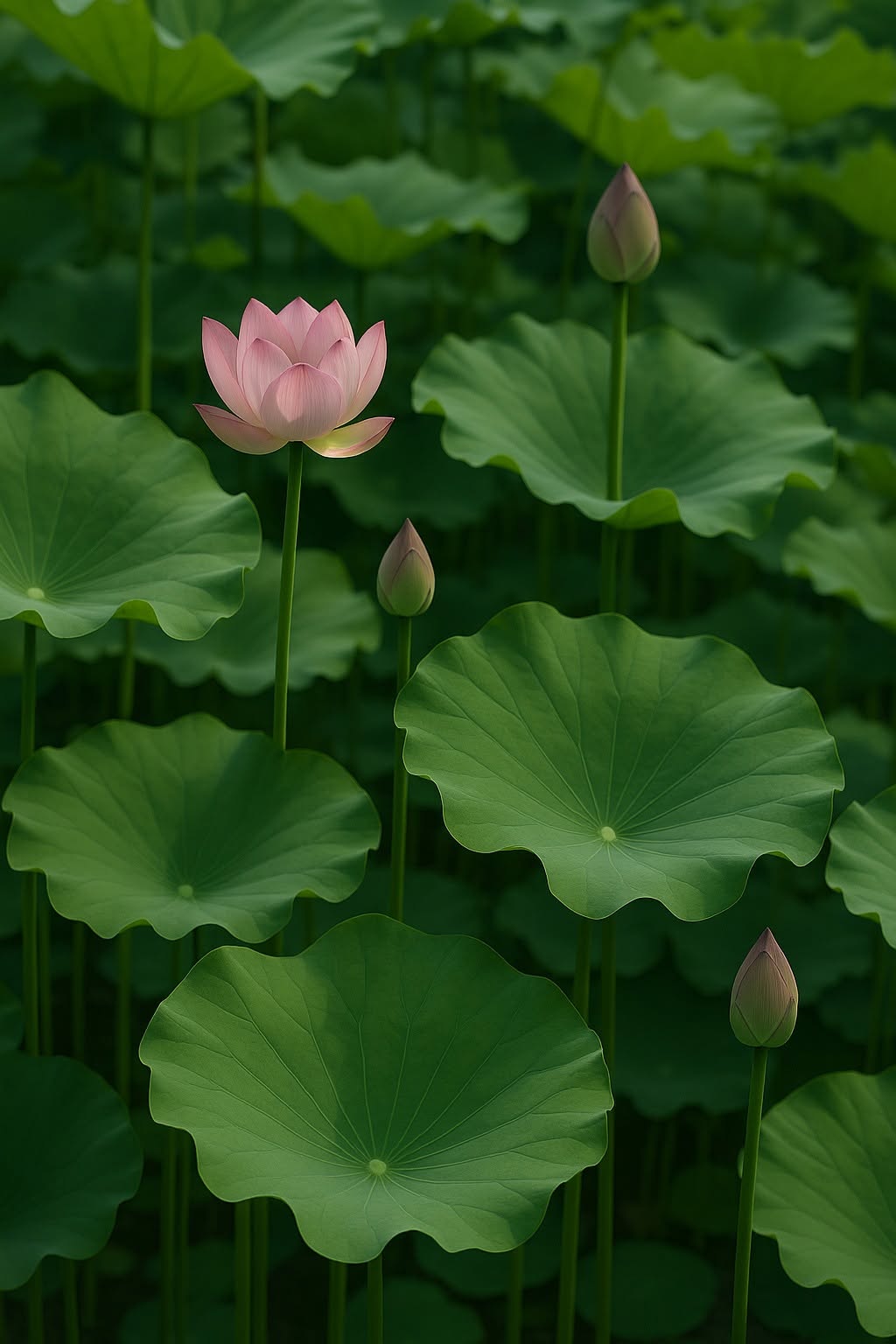
Lotus leaves are large, rounded, and often rise above the water rather than simply floating on its surface.
The leaves have a distinctive central point where the leaf stalk attaches. Their surface has water-repellent properties, causing water droplets to bead and roll across the leaf.
🌸 Lotus Flower
The Lotus flower is one of the most recognizable aquatic flowers in the world.
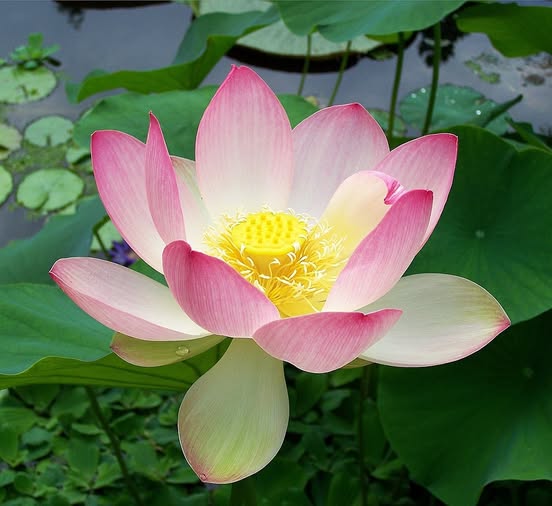
Flowers are generally large and have numerous petals surrounding a distinctive central structure.
Depending on the variety, flowers may range from white to pink and may show different combinations of shades.
🌰 Lotus Seeds and Fruit
After flowering, the Lotus develops a distinctive seed-bearing structure commonly called a lotus seed pod.
The seeds are edible and have been used as food in several Asian cultures for centuries.
Lotus seeds can be eaten fresh or dried and are also processed into various traditional foods.
🌱 Lotus Rhizomes
Underground rhizomes are an important part of the Lotus plant. They grow through the mud beneath the water and produce roots, leaves, and flowering shoots.
Lotus rhizomes are also an important food crop in several parts of Asia and are prepared in a variety of traditional dishes.
🌍 Native Region and Distribution
Nelumbo nucifera is native to large parts of Asia and has a long history of cultivation in countries across the region.
It is now cultivated and grown in many tropical and subtropical areas where suitable aquatic environments are available.
Lotus can be found in ponds, lakes, wetlands, reservoirs, and specially maintained aquatic gardens.
📜 History and Cultural Importance
Lotus has been cultivated and appreciated by human societies in Asia for thousands of years.
The plant has appeared in art, architecture, literature, religious traditions, and cultural symbolism.
Its ability to emerge from muddy water and produce an attractive flower has contributed to its symbolic associations with purity, renewal, beauty, and spiritual development.
🕉️ Lotus in Hindu Tradition
Lotus has profound religious and cultural importance in Hindu traditions.
🌸 Sacred Symbol
The Lotus is associated with several Hindu deities and appears frequently in religious art, sculpture, temples, and traditional literature.
The flower is commonly used as a symbol of purity, beauty, spiritual growth, and transcendence.
Religious practices and interpretations involving Lotus vary according to tradition and region.
☸️ Lotus in Buddhism
Lotus is also an important symbol in Buddhist traditions.
Its growth from muddy water into a clean and beautiful flower has traditionally been used as a metaphor for spiritual development and liberation.
☸️ Symbol of Spiritual Growth
The Lotus frequently appears in Buddhist art, sculpture, temples, manuscripts, and religious imagery.
🌏 Cultural Significance in Asia
Lotus has played an important role in the cultures of many Asian societies.
It has been used as an ornamental plant, food source, religious symbol, artistic subject, and traditional medicinal plant.
The plant's cultural meaning varies between countries and communities.
🌿 Traditional Uses
Different parts of the Lotus plant have been used traditionally as food and in various systems of traditional medicine.
Traditional preparations may involve the seeds, leaves, flowers, rhizomes, and other plant parts.
Traditional plant uses represent historical and cultural knowledge. They should not automatically be considered proven medical treatments.
🍲 Lotus as Food
Lotus is unusual because several parts of the plant are traditionally used as food.
- Lotus rhizomes
- Lotus seeds
- Young leaves in some culinary traditions
- Lotus flower parts in selected traditional foods
Lotus rhizomes are particularly popular as a vegetable in several Asian cuisines and can be prepared by boiling, steaming, frying, or stir-frying.
❤️ Health Research
Lotus has been investigated in nutritional, phytochemical, and pharmacological research.
Different parts of Nelumbo nucifera contain a variety of naturally occurring compounds, and laboratory studies have investigated antioxidant and other biological activities.
Research findings from laboratory or animal studies do not automatically demonstrate that Lotus preparations can prevent or treat diseases in humans. More high-quality human research is needed to establish specific therapeutic effects.
🧪 Chemical Constituents
Lotus contains various naturally occurring plant compounds, including flavonoids, phenolic compounds, alkaloids, and other phytochemicals.
The chemical composition can vary depending on the plant part, growing conditions, variety, and preparation method.
The presence of these compounds is an area of scientific research and should not by itself be interpreted as proof of a particular medical benefit.
🥗 Nutritional Importance
Lotus seeds and rhizomes are used as food and provide nutrients that contribute to the dietary value of the plant.
Lotus seeds contain carbohydrates, protein, minerals, and other nutrients, while Lotus rhizomes contain carbohydrates, dietary fibre, and various micronutrients.
Nutritional composition varies depending on the plant part and how it is prepared.
🌍 Ecological Importance
Lotus can contribute to aquatic ecosystems by providing habitat, shade, and resources for aquatic and wetland organisms.
Its leaves and stems create physical structures within shallow water environments where small organisms can find shelter.
Lotus flowers can also provide resources for insects and other pollinating organisms.
🐝 Lotus and Wildlife
Lotus flowers attract insects that visit them for pollen and other resources.
Seeds and other plant material may also become food for aquatic and wetland animals.
Dense Lotus growth can provide shelter for small aquatic organisms, although excessive growth can also alter the structure of a water body.
🌱 Cultivation
Lotus is generally cultivated in shallow ponds, lakes, tanks, and specially prepared water gardens.
It requires abundant sunlight and suitable aquatic conditions. The plant grows from rhizomes planted in mud or nutrient-rich sediment beneath relatively shallow water.
Adequate space is important because Lotus can spread through its rhizomes and produce numerous leaves and flowers.
🌱 Propagation
Lotus can be propagated through seeds as well as vegetative methods involving its rhizomes.
Division of healthy rhizomes is commonly useful for maintaining desirable plants because it can establish new plants more quickly than growing them entirely from seed.
💧 Water Requirements
Lotus is an aquatic plant and requires a consistently wet environment for healthy growth.
Shallow, relatively still water with suitable nutrient-rich sediment is generally favourable.
The exact water depth and growing conditions depend on the variety and cultivation environment.
🔎 How to Identify a Lotus Plant
Lotus can be distinguished from many other aquatic plants by its large rounded leaves and flowers that commonly rise above the water.
- Large rounded leaves
- Leaves commonly held above the water surface
- Large showy flowers
- Distinctive central seed pod
- Thick underground rhizomes
- Aquatic growth habit
- Flowers commonly white or pink depending on variety
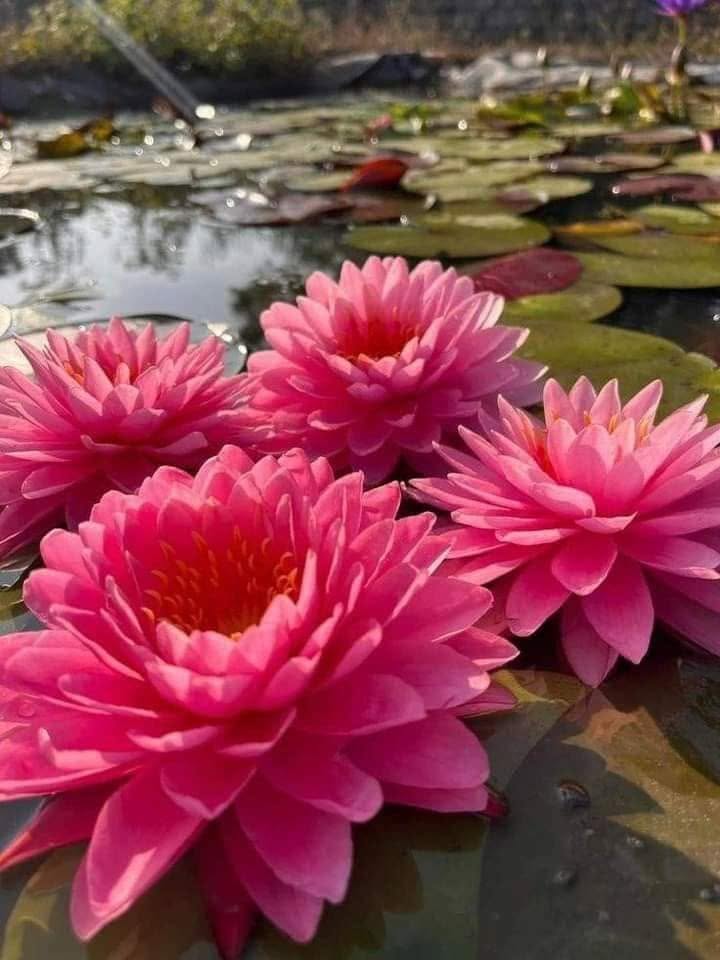
One important identification point is that Lotus should not be confused with Water Lily. Lotus belongs to the genus Nelumbo, while true water lilies belong to the family Nymphaeaceae.
🌸 Lotus vs Water Lily
Lotus and water lilies are often confused because both are aquatic flowering plants.
- Lotus: Nelumbo nucifera
- Water lilies: Members of the family Nymphaeaceae
- Lotus leaves: Often rise above the water
- Water lily leaves: Usually float directly on the water surface
- Lotus flower: Usually rises above the water on a strong stalk
☀️ Environmental Importance
Lotus can contribute to the biological diversity of suitable freshwater habitats.
Its leaves provide shade over portions of the water surface, while stems, roots, and rhizomes create habitat for aquatic organisms.
However, dense aquatic plant growth should be managed where it interferes with water flow, recreation, or the balance of a managed water body.
🌱 Conservation and Protection
Sacred Lotus is widely cultivated and has a broad distribution, but the conservation of natural wetland habitats remains important.
Wetlands provide habitat for many species and are vulnerable to pollution, drainage, invasive species, and changes in water management.
Protecting healthy aquatic ecosystems helps conserve Lotus and the many organisms that depend on wetland environments.
⚠️ Important Information
Lotus is an important food plant and has a long history of traditional use. However, traditional medicinal claims should not be interpreted as proof that Lotus can prevent or cure a disease.
Wild aquatic plants should only be collected from clean, uncontaminated environments when intended for food. Plants growing in polluted water may accumulate contaminants.
Anyone considering concentrated herbal preparations should consult a qualified healthcare professional, particularly when taking medicines or managing a medical condition.
🌸 Why Is the Lotus Important?
Lotus is important because it combines botanical, nutritional, ecological, cultural, and religious significance.
- Important aquatic flowering plant
- Major cultural and religious symbol in Asia
- Used as a traditional food plant
- Lotus seeds are an important food resource
- Lotus rhizomes are widely used as food
- Provides habitat and resources for aquatic organisms
- Important subject in art and traditional literature
🌿 Lotus at a Glance
- Common name: Lotus / Sacred Lotus / Indian Lotus
- Scientific name: Nelumbo nucifera
- Family: Nelumbonaceae
- Plant type: Aquatic perennial
- Key identification features: Large rounded leaves, elevated flowers, distinctive seed pod
- Food uses: Seeds and rhizomes are traditionally eaten
- Cultural importance: Major religious and cultural symbol across Asia
- Ecological importance: Provides habitat and resources in suitable aquatic environments