🍒 Cherry Plant (Prunus avium)
Prunus avium L. | Family: Rosaceae
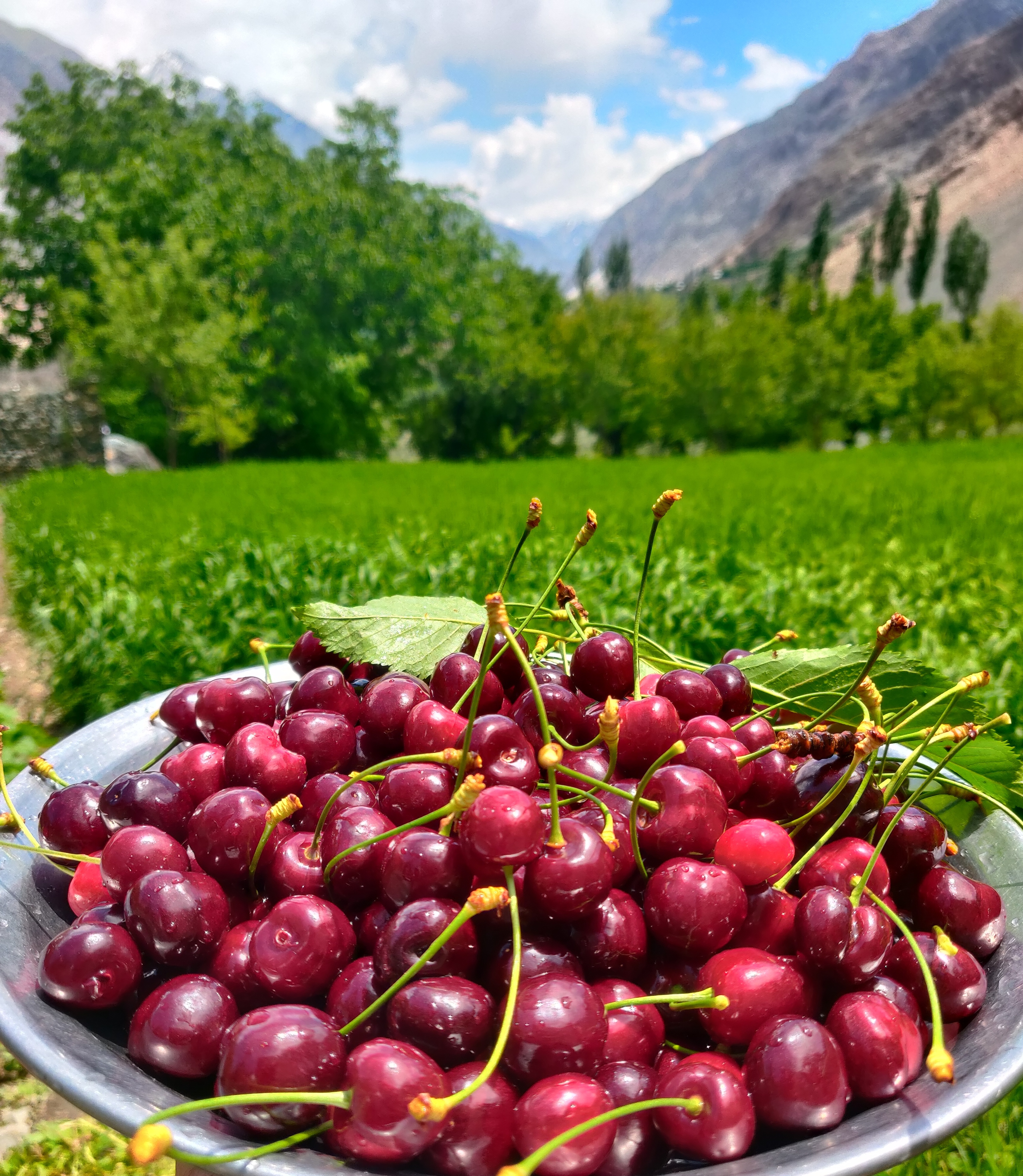
The cherry tree (Prunus avium), commonly known as sweet cherry, is a deciduous fruit-bearing tree celebrated worldwide for its snowy spring blossoms, juicy red drupe fruits, and agricultural heritage. In the high-altitude valleys of Gilgit-Baltistan—including Hunza, Nagar, Skardu, and Ghizer—cherry orchards form the backbone of mountain agroforestry, drawing visitors to vibrant June cherry festivals and delivering vital seasonal income to rural farming families.
🌿 Botanical Information
The sweet cherry is known by the botanical name Prunus avium (L.) L. and belongs to the rose family, Rosaceae. This page focuses on the sweet cherry tree; other cultivated forms, such as sour cherries (Prunus cerasus), represent distinct species within the genus Prunus.
📋 Cherry at a Glance (Quick Facts)
- Common Names: Sweet Cherry, Wild Cherry, Gean, Bird Cherry, Gilgit-Baltistan Cherry
- Scientific Name: Prunus avium (L.) L.
- Family: Rosaceae (Rose family)
- Genus: Prunus
- Species: Prunus avium
- Plant Type: Deciduous flowering & fruit-bearing tree
- Fruit Type: Fleshy drupe (stone fruit) enclosing a lignified endocarp
- Bloom Season: Early to mid-spring (white to pale pink blossom clusters)
- Harvest Window: Late May through July depending on altitude
- Prominent Growing Areas: Hunza, Nagar, Skardu, Ghizer (Gilgit-Baltistan, Pakistan), temperate Eurasia, North America
🌱 Description of the Cherry Plant
The cherry tree is a woody, deciduous tree that develops a branching crown, green leaves, and clusters of flowers in spring. After successful pollination, the flowers develop into fleshy fruits containing a hard stone around the seed.
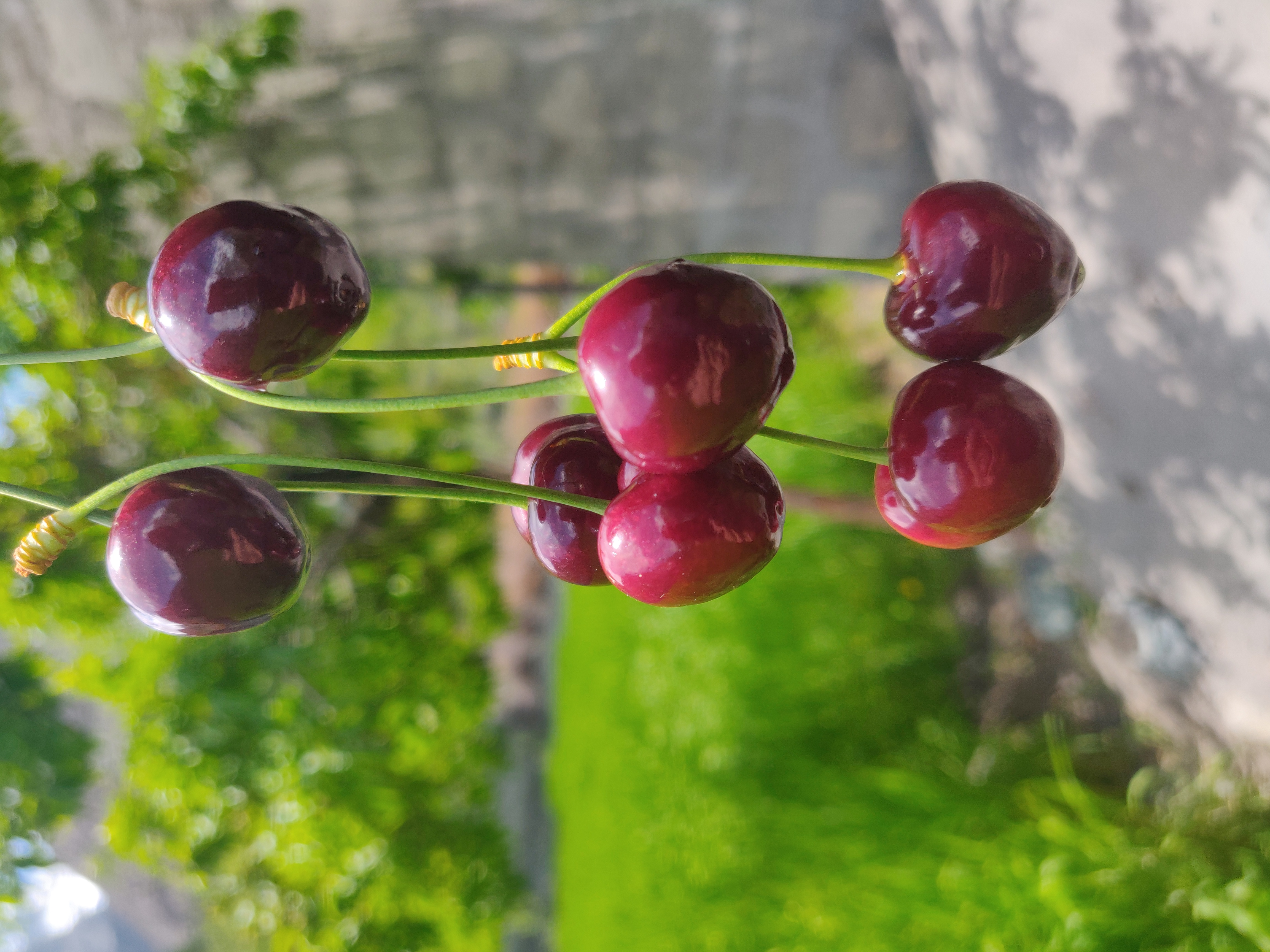
Cherry fruits vary in size, colour, sweetness, and ripening time according to the variety and growing conditions. Ripe sweet cherries are commonly red to dark red, although colour and flavour differ among cultivars.
🌍 Cherry Trees in Gilgit-Baltistan
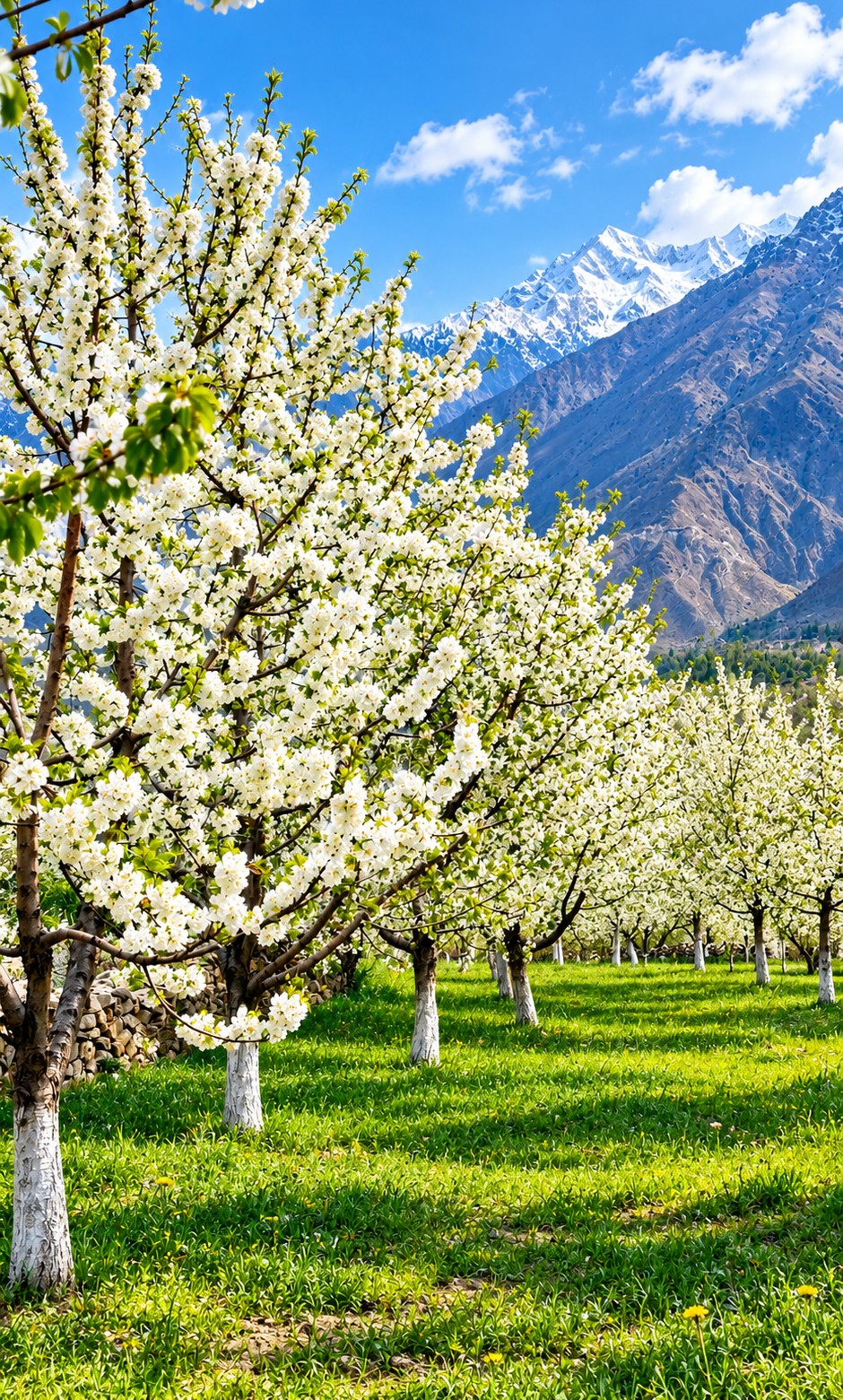
Cherry trees are a familiar and valued part of home gardens and commercial orchards across Gilgit-Baltistan, Pakistan. They thrive in the sunny, high-altitude alpine valleys of Hunza, Nagar, Ghizer, and Skardu, as well as surrounding cold-temperate growing belts. Their distribution, blossom timing, and fruit yield reflect the distinct microclimates, abundant glacial meltwater irrigation, mineral-rich soils, and meticulous orchard management practiced by mountain communities for generations.
The region's dramatic mountain landscapes and fruit-growing traditions have made fresh sweet cherries a cornerstone of Gilgit-Baltistan's agricultural identity. For thousands of mountain households, a mature, productive cherry orchard provides nutritional sustenance and a valuable source of seasonal income when the harvest hits domestic and international markets.
📜 Cherry Growing and Local Traditions
Fruit trees have a meaningful place in household gardens and rural livelihoods throughout Gilgit-Baltistan. Cherry growing connects families with seasonal agricultural work, local markets, and the tradition of cultivating fruit in the region's valleys.
Cherries are appreciated both as fresh fruit and as a crop that can help local growers earn income. Orchard success depends on suitable varieties, careful seasonal care, weather conditions, and access to markets.
🎉 Cherry Festival in Gilgit-Baltistan
Cherry festivals and seasonal agricultural fairs are celebrated annually in Gilgit-Baltistan to showcase the region's prized fruit harvest, promote agro-tourism, and celebrate mountain culture. Every June, as orchards turn vibrant red, festivities in Hunza and Nagar draw fruit lovers, photographers, and travelers from across Pakistan and abroad.
These celebrations feature fresh fruit tastings, folk music, traditional culinary displays, and artisan handicraft exhibitions. Beyond cultural vibrancy, cherry festivals provide a critical economic platform for local orchardists, women-led agricultural cooperatives, and small rural entrepreneurs to sell premium cherries, jams, and dried fruits directly to buyers.
Promoting Orchard Plantation and Sustainable Livelihoods
Cherry Festival activities encourage farmers to adopt grafted high-yield varieties, water-efficient drip irrigation, and responsible pest management. By celebrating cherries as a sustainable high-value cash crop, Gilgit-Baltistan reinforces ecological conservation and strengthens food security throughout its mountain valleys.
By celebrating cherries as a regional treasure, these events highlight the connection between mountain horticulture, eco-friendly tourism, and resilient mountain community economies.
🍃 Cherry Tree Leaves
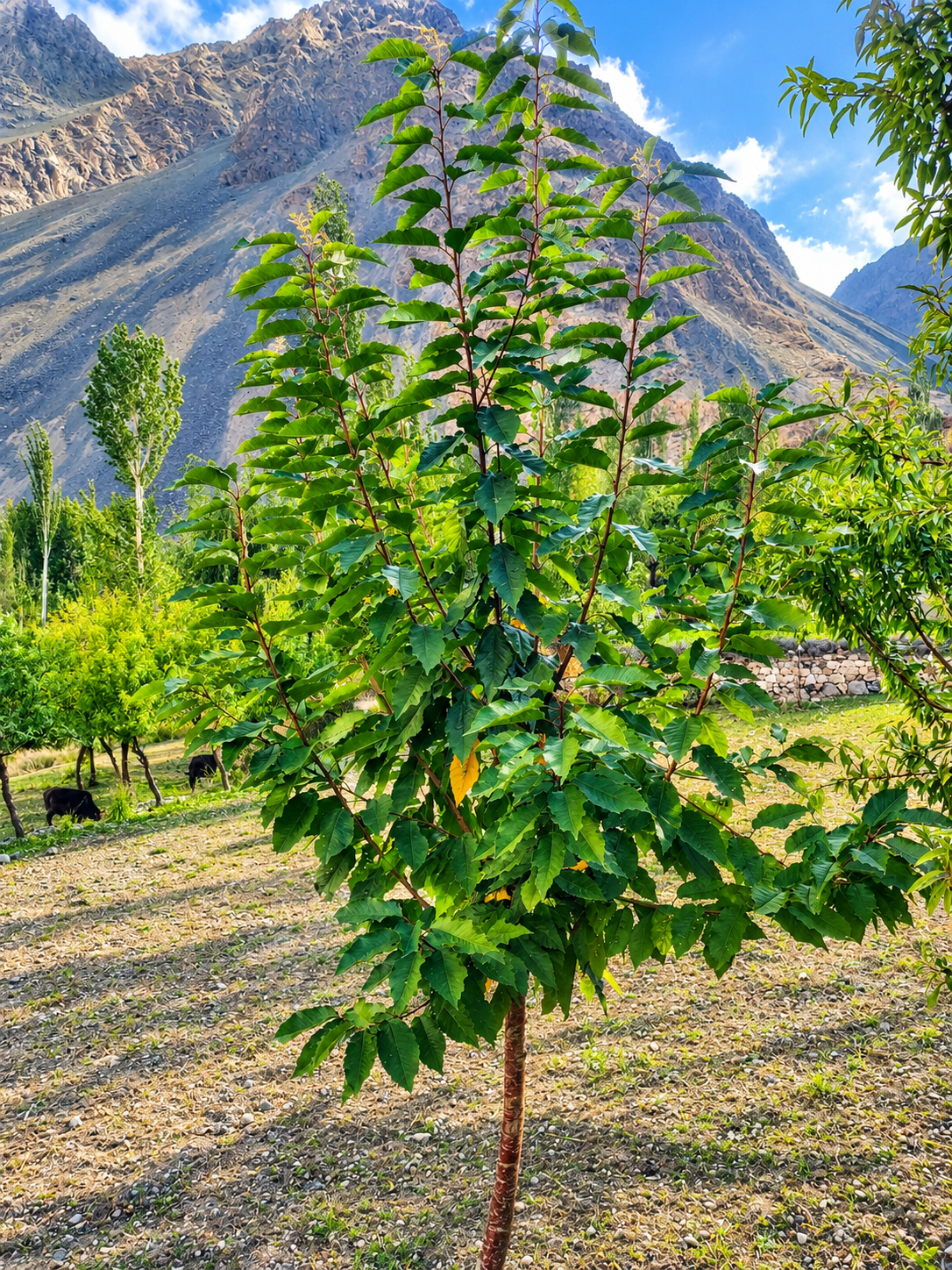
Cherry trees generally have simple green leaves with serrated edges and pointed tips. The leaves are usually arranged alternately along the branches. Their size and appearance can vary with the cultivar, tree age, and growing conditions.
🌸 Flowers and 🍒 Fruit
Cherry trees typically produce pale white flowers in spring, often appearing in small clusters. Flowering time depends on the variety, elevation, and local weather. Pollination is important for fruit development, and some varieties require a compatible polliniser nearby.
The fruit is a drupe: its fleshy outer part surrounds a hard stone containing the seed. Cherries are harvested when they reach the appropriate colour, flavour, and maturity for their variety and intended market.
💼 Economic Importance and Rural Livelihoods
Cherry cultivation can contribute to household income in Gilgit-Baltistan. Families who plant and maintain cherry trees in their gardens or orchards may sell fresh fruit during the harvest season, creating an opportunity to earn additional income from their land and agricultural work.
For some growers, revenue from cherries can help meet household expenses and support small-scale farming. In this way, cherry production can contribute to rural livelihoods and local economic activity, and may help ease poverty where growers have productive trees, reliable harvests, and access to buyers.
Income is not guaranteed: harvest size, fruit quality, weather, transport, storage, market prices, and post-harvest losses all affect the final return. Improving orchard care, handling, and market access can help growers retain more value from their harvest.
🍒 Nutritional Value
Cherries are eaten fresh and can also be used in juices, desserts, preserves, and other foods. They provide water, naturally occurring carbohydrates, fibre, and micronutrients, and contain plant compounds such as polyphenols. The exact nutritional composition depends on the variety and serving size.
Cherries can be part of a varied, balanced diet, but no single fruit should be treated as a cure or replacement for appropriate medical care.
🌿 Ecological Importance
Flowering cherry trees can provide nectar and pollen for visiting insects, including bees, while their branches and foliage contribute structure to garden and orchard habitats. Fruit trees also add seasonal greenery and flowering beauty to settled landscapes.
Planting and caring for suitable fruit trees can support greener communities. Successful planting should take local water availability, soil conditions, climate, and long-term maintenance needs into account.
🌱 Cherry Tree Cultivation and Care
Cherry trees generally perform best in suitable climates with good sunlight, well-drained soil, and careful irrigation during establishment and important growth stages. Requirements differ by variety and local conditions, so growers should choose planting material suited to their location.
- Select healthy, correctly identified nursery plants or grafted trees.
- Choose a sunny site with soil that drains well.
- Provide appropriate irrigation, especially while young and during dry periods.
- Prune carefully and monitor for pests and diseases.
- Harvest fruit gently to reduce bruising and post-harvest losses.
In mountainous areas, local agricultural extension services and experienced growers can advise on varieties, pollination, frost risk, pruning, and harvest timing for a particular valley or elevation.
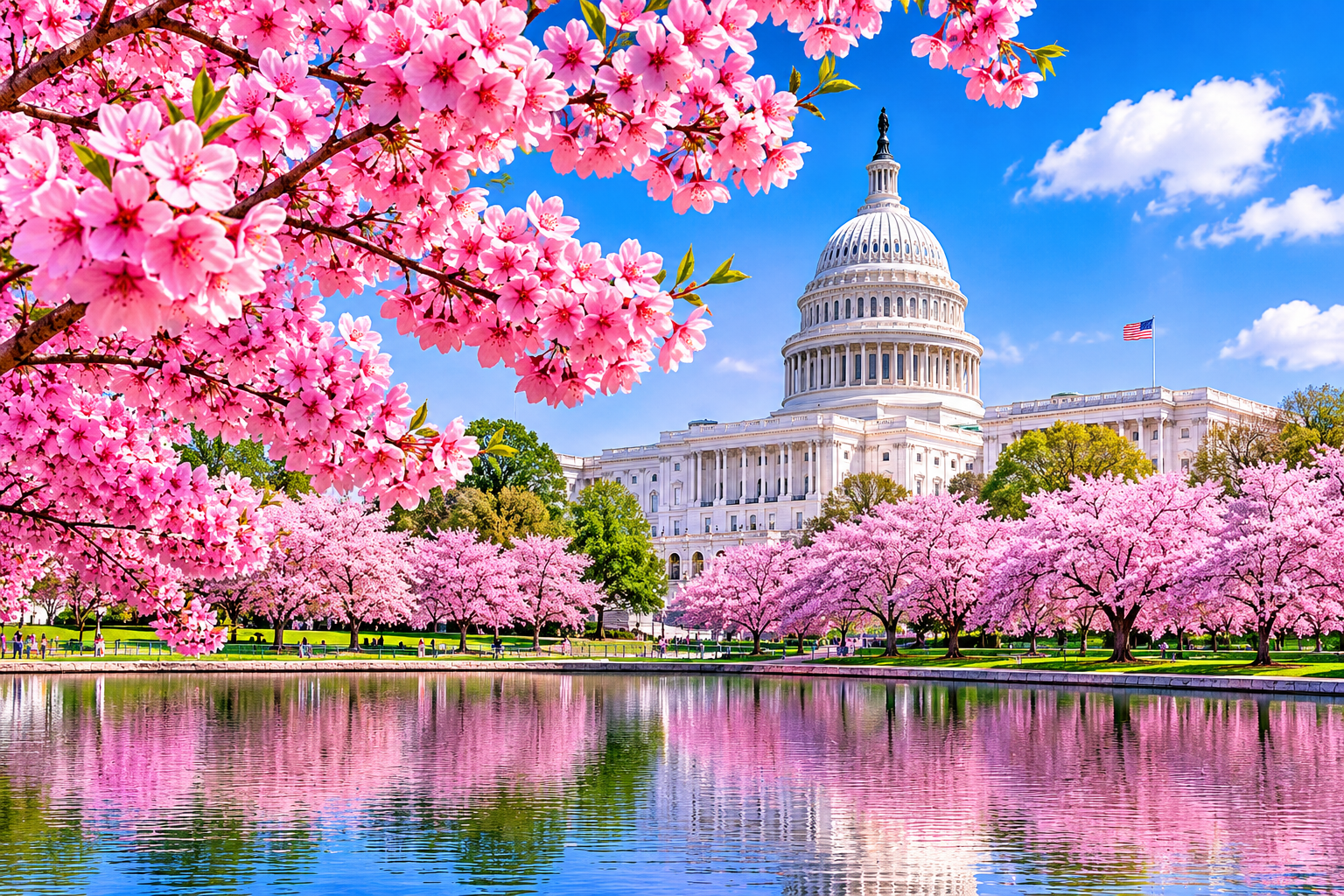
🌸 Cherry Blossom Season in the United States
Cherry blossoms are among the most recognizable signs of spring in America. During the flowering season, cherry trees transform parks, gardens, and streets into colorful landscapes.
Washington, D.C., is especially famous for its National Cherry Blossom Festival. The celebration commemorates the gift of Japanese cherry trees to the United States in 1912, associated with Tokyo Mayor Yukio Ozaki and the friendship between Japan and America.
The festival usually takes place in spring, with exact dates and peak bloom varying from year to year according to weather conditions. Visitors enjoy flowering trees, cultural programs, photography, and outdoor events around the Tidal Basin and other locations. Other places across the country also celebrate cherry blossoms, including botanical gardens, parks, and communities with significant ornamental cherry plantings.
🔎 How to Identify a Cherry Tree
A cherry tree can often be recognised by a combination of its woody growth, serrated leaves, spring flowers, and stone fruits. Identification should use several characteristics rather than fruit colour alone.
- Woody, branching deciduous tree
- Simple green leaves with serrated margins
- Clusters of pale flowers, commonly white, in spring
- Fleshy fruits that contain a single hard stone
- Seasonal leaf fall in autumn in suitable temperate climates
Different cherry species and cultivars can look similar. For precise identification, consider the leaves, flowers, fruit, growth habit, and reliable local botanical guidance together.
🌳 Plantation, Sustainability, and Community Benefits
Planting suitable fruit trees can provide long-term agricultural and community benefits when trees are cared for and matched to local environmental conditions. Cherry trees can contribute fruit, seasonal employment, garden diversity, and potential income for households in suitable parts of Gilgit-Baltistan.
Sustainable orchard development includes responsible water use, healthy soil management, appropriate pest control, protection of pollinators, and reducing damage and waste after harvest. Planting should be planned for the local site rather than assuming every tree species will thrive everywhere.
ℹ️ Important Botanical Note
“Cherry” is a common name used for multiple species and
cultivated varieties. This page uses Prunus avium
as the reference for sweet cherry. The exact species or
cultivar grown in a particular Gilgit-Baltistan village
may differ and should be confirmed locally where precise
identification matters.
In Gilgit Baltistan, the Shina, Burushaski speakers called "Cherry", however the "Khuwar" speakers named "Gillaas"
🔬 Why Study the Cherry Plant?
The cherry tree is a useful example of how plants can connect biodiversity, food production, cultural events, and local livelihoods. In Gilgit-Baltistan, cherry growing can support household income while festivals and fruit promotion help draw attention to plantation and the value of locally grown produce.
Learning about cherry trees encourages informed cultivation, responsible stewardship of land and water, and appreciation of the farmers whose work brings seasonal fruit to local markets.
❓ Frequently Asked Questions About Cherry Plants
🍒 What is the scientific name and family of the sweet cherry?
The sweet cherry is scientifically known as Prunus avium (L.) L. It belongs to the family Rosaceae (the rose family) and the genus Prunus, which also includes apricots, peaches, plums, and almonds.
🌸 When do cherry trees blossom and when is the fruit harvested?
Cherry trees typically produce delicate clusters of white flowers in early-to-mid spring (March to April). The fruit ripens quickly over 60 to 80 days, with the harvest season running from late May through July across the northern valleys of Pakistan.
🏔️ Why are Hunza and Nagar cherries so famous in Gilgit-Baltistan?
Hunza and Nagar feature high altitude, intense clean sunlight, wide day-night temperature swings, and pristine mineral-rich glacial meltwater. These unique alpine conditions enhance natural brix sugar accumulation, resulting in exceptionally sweet, crisp, and richly flavored cherries.
🎉 When is the Gilgit-Baltistan Cherry Festival celebrated?
The Gilgit-Baltistan Cherry Festival is held every year in June to coincide with peak cherry ripening. Celebrated primarily in Hunza, Nagar, and surrounding valleys, it features harvest fairs, fruit exhibitions, local gastronomy, folk music, and community celebrations.
🔎 How can I identify a cherry tree from other fruit trees?
Key identification marks of Prunus avium include smooth reddish-brown bark with distinct horizontal lenticels (breathing pores), alternately arranged ovate-elliptical green leaves with serrated margins and two small red glands at the petiole base, spring clusters of 5-petaled white blossoms, and glossy, heart-to-round drupes with a single central hard stone.
🌱 What soil and climate do cherry trees require to thrive?
Sweet cherry trees thrive in cold-temperate to temperate climates with sufficient winter chilling hours (usually 700 to 1,000 chilling hours below 7°C) to break bud dormancy. They require full sun, deep, well-draining sandy loam or loamy soils with a pH of 6.0 to 7.2, and protection from standing water.
🌱 Where Are Cherry Trees Grown in the USA?
Cherry trees are cultivated in many parts of the United States, but production is concentrated in regions with suitable winter temperatures, spring weather, and growing-season conditions.
Washington State
Washington is one of the country's leading sweet cherry-producing states. Areas around Yakima, Wenatchee, and the Columbia Basin are known for commercial cherry orchards.
The region's growing conditions, irrigation systems, and established fruit-growing industry support the production of sweet cherries for domestic markets and export.
California
California produces sweet cherries in several agricultural regions. The state's diverse climate allows growers to cultivate different varieties, with harvest timing varying according to location and seasonal weather.
Oregon
Oregon has a long history of cherry cultivation. Its orchards produce sweet cherries, while some areas also grow other stone fruits. The Pacific Northwest's agricultural expertise contributes to the region's reputation for high-quality fruit.
Michigan
Michigan is particularly well known for tart cherry production. The Traverse City region has a strong association with cherries and hosts seasonal events celebrating the crop.
New York and Other Northeastern States
New York and other northeastern states grow sweet and sour cherries in suitable locations. Michigan, New York, and several other states also support home orchards and small-scale fruit production.
🌍 References for more reading
1. Dawn. “Cherry Festival to Promote Agri-Tourism in GB.” June 25, 2024. https://www.dawn.com/news/1841794
2. Dawn. “Cherry Festival in Nagar Attracts Visitors.” May 30, 2022. https://www.dawn.com/news/1692150
3. Dawn. “Passu Cherry Show Gives Hunza Entrepreneurs a Stage to Showcase Wares.” July 6, 2026. https://www.dawn.com/news/amp/2013267
4. National Park Service. History of the Cherry Trees. https://www.nps.gov/subjects/cherryblossom/history-of-the-cherry-trees.htm
5. Washington State University Tree Fruit. Pollination – Sweet Cherry. https://treefruit.wsu.edu/web-article/sweet-cherry-pollination/