🍑 Apricot
Prunus armeniaca
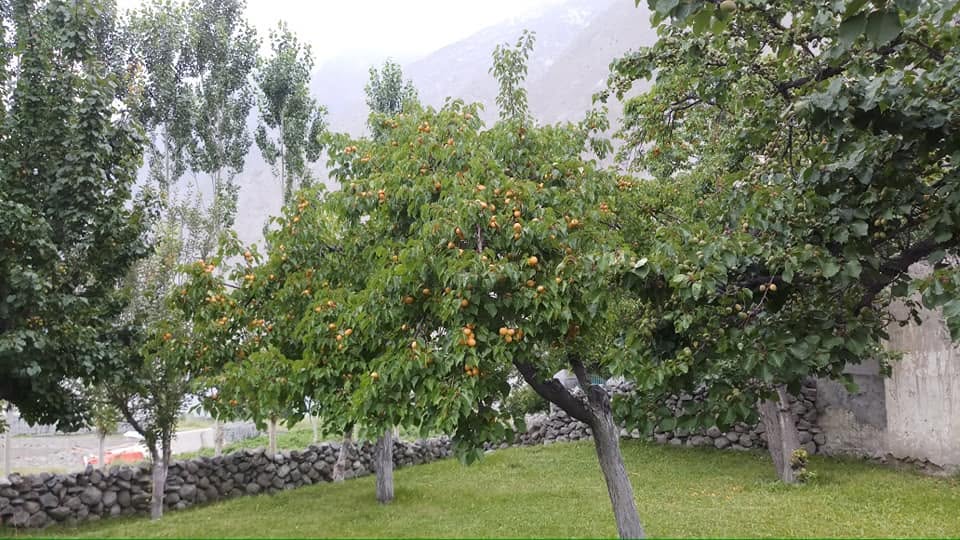
Apricot is a small to medium-sized deciduous fruit tree known for its fragrant spring flowers and soft, golden-orange fruit. Scientifically known as Prunus armeniaca, it belongs to the rose family and has been cultivated for centuries in regions of Asia, Europe, and the Mediterranean.
🌿 Botanical Information
Apricot belongs to the genus Prunus, a large genus that includes peaches, plums, cherries, almonds, and other important fruit trees.
It is a deciduous perennial tree that produces flowers in early spring followed by fleshy fruits during the growing season.
Scientific Classification
- Kingdom: Plantae
- Family: Rosaceae
- Genus: Prunus
- Species: Prunus armeniaca
- Common name: Apricot
- Plant type: Deciduous fruit tree
🌳 Description of the Apricot Tree
Apricot trees usually develop a rounded or spreading crown and can reach several metres in height when growing under suitable conditions.
The bark of mature branches becomes darker and develops a characteristic textured appearance as the tree ages.
The tree produces alternate leaves, attractive flowers, and fleshy fruits containing a single hard stone.
🍃 Apricot Leaves
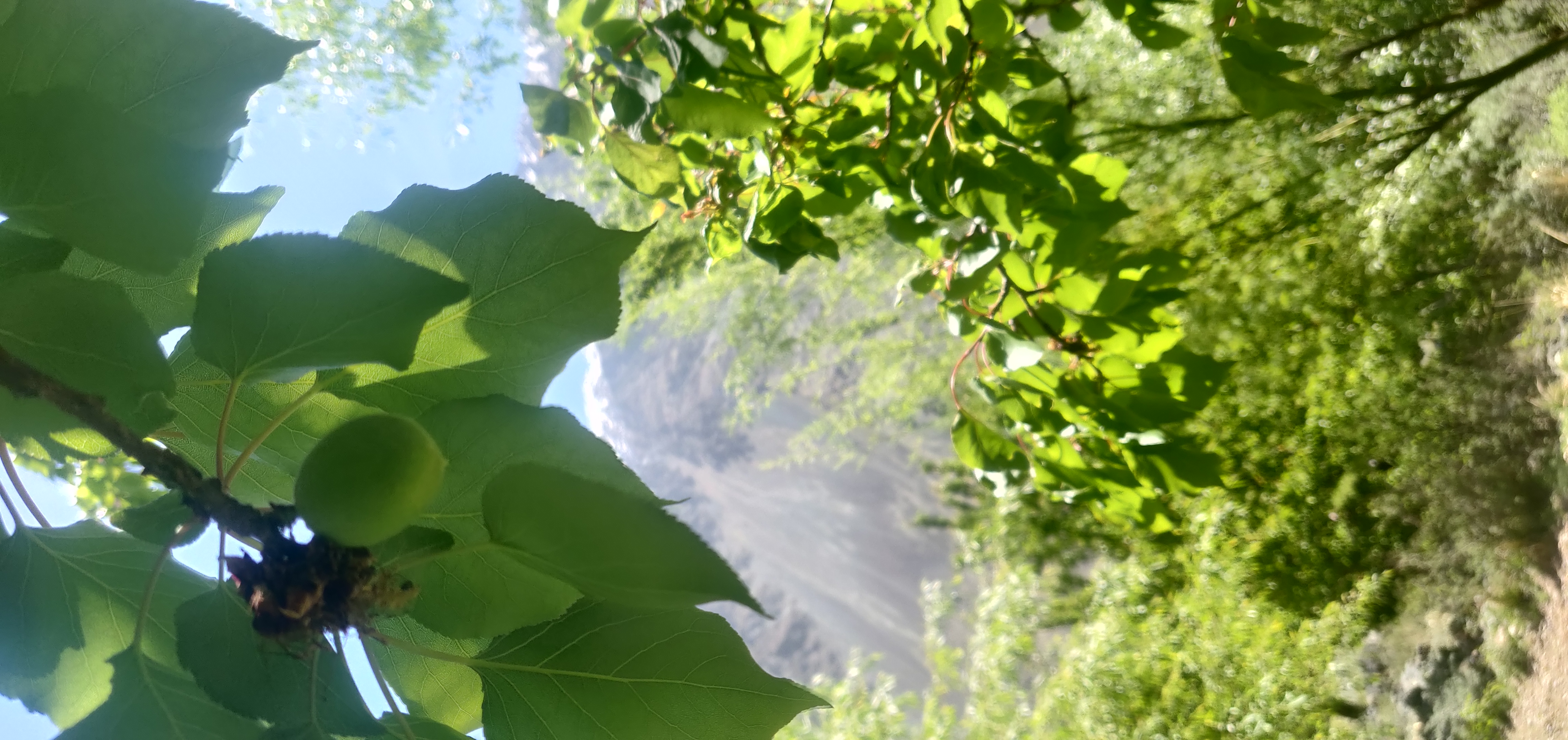
Apricot leaves are generally broad, oval to nearly round, with a pointed tip and finely serrated margins.
The leaves are green during the growing season and may turn yellow or other autumn colours before falling in cooler climates.
🌸 Apricot Flowers
Apricot trees are among the fruit trees that can bloom early in spring.
The flowers are usually white to pale pink and appear before or around the time new leaves develop.
Bees and other insects visit the flowers and can contribute to pollination.

🍑 Apricot Fruit
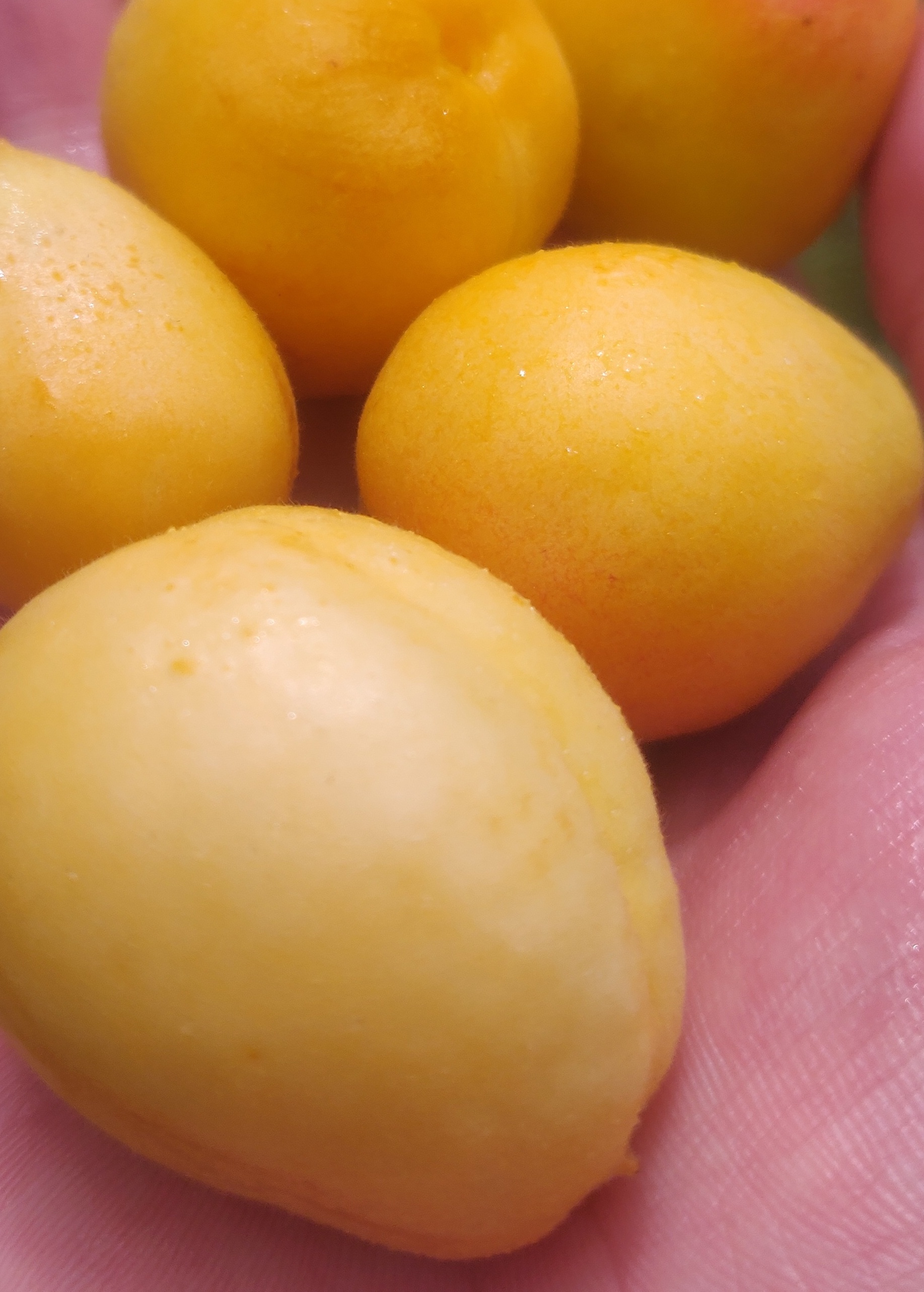
The apricot fruit is typically round to oval and develops a yellow, orange, or orange-red skin depending on the variety.
The flesh is soft and juicy when ripe and usually has a sweet flavour with varying levels of acidity.
At the centre of the fruit is a hard stone containing the seed.
🌍 Origin and Distribution
The exact origin and early history of the cultivated apricot have been discussed by botanists and historians. The species has a long association with Central and East Asia.
Apricot cultivation spread westward through ancient trade routes into the Middle East, Mediterranean regions, and Europe.
Today, apricots are grown in many temperate and warm-temperate regions around the world.
📜 History of the Apricot
Apricot has been cultivated for a very long period and became an important fruit crop along historical trade routes across Asia.
Traders and travellers helped spread apricot cultivation toward western Asia and the Mediterranean.
Over time, growers selected varieties for fruit size, flavour, colour, harvest time, productivity, and adaptation to different climates.
📚 Cultural and Agricultural Importance
Apricot has an important place in the food traditions and agriculture of many countries.
The fruit is eaten fresh and is also commonly dried or processed into jams, preserves, desserts, juices, and other foods.
In several regions of Central Asia, the Middle East, and the Mediterranean, apricot cultivation has a long agricultural tradition.
🥗 Nutritional Value
Fresh apricots contain water, natural carbohydrates, dietary fibre, vitamins, minerals, and naturally occurring plant compounds.
They are particularly known as a source of provitamin A carotenoids, including beta-carotene, although nutritional composition varies between varieties.
Dried apricots are more concentrated in calories and sugars by weight because much of their water has been removed.
❤️ Health Research
Apricots have been studied as part of nutritional and phytochemical research because they contain dietary fibre, carotenoids, polyphenols, and other naturally occurring compounds.
Eating a variety of fruits is generally consistent with a healthy dietary pattern.
However, apricots should be considered a nutritious food rather than a treatment or cure for a particular disease.
🧪 Natural Plant Compounds
Apricot flesh and skin contain naturally occurring phytochemicals, including carotenoids and phenolic compounds.
Carotenoids contribute to the yellow-orange colour of many apricot varieties.
The amount and composition of these compounds can vary according to cultivar, maturity, growing conditions, and storage.
🍽️ Culinary Uses
Apricots are widely used both fresh and processed.
- Eaten fresh
- Dried apricots
- Jams and preserves
- Fruit sauces
- Desserts and pastries
- Juices and beverages
- Fruit salads
- Cooking and baking
Drying is particularly important because it allows apricots to be preserved for much longer than fresh fruit.
🌱 Apricot Cultivation
Apricot trees are generally grown in locations with adequate sunlight and suitable winter chilling.
They prefer well-drained soils and benefit from adequate moisture during active growth, although excessive water around the roots can cause problems.
Fruit production depends on variety, climate, pollination, pruning, soil conditions, water availability, and protection from spring frost.
🐝 Apricot Pollination
Apricot flowers provide pollen and nectar for visiting insects. Bees can play an important role in pollination.
Many apricot varieties can produce fruit with their own pollen, although pollination conditions and compatibility can vary among cultivars.
Maintaining flowering plants and suitable habitat around orchards can support pollinating insects and contribute to orchard biodiversity.
☀️ Climate Requirements
Apricot trees generally perform best in climates with a cool winter followed by a warm, relatively dry growing season.
One of the major challenges in apricot production is early flowering. A late spring frost can damage flowers and young fruit, reducing the harvest.
Some cultivars have been selected for lower chilling requirements and can be grown in warmer regions.
🌱 Apricot Propagation
Apricots can be grown from seeds, but seedlings may differ from their parent tree in fruit characteristics.
Commercial growers commonly use grafting or budding to reproduce selected cultivars and maintain desirable fruit characteristics.
Appropriate rootstocks can also influence tree size, adaptation, and performance in different soils and climates.
✂️ Pruning and Tree Care
Pruning is used in commercial and home orchards to develop a suitable tree structure, improve light penetration, and manage fruit production.
The exact pruning approach depends on the cultivar, tree age, training system, and local growing conditions.
🌍 Ecological Importance
Apricot trees can contribute to biodiversity in orchards and agricultural landscapes.
Their flowers provide resources for pollinating insects, while their foliage and branches provide habitat for various small organisms.
Fruit that remains on trees or falls to the ground can also become a food resource for wildlife.
🐝 Apricot Trees and Wildlife
Bees and other insects may visit apricot flowers during the flowering period.
Birds and other animals can interact with the tree and fallen fruit, depending on the surrounding ecosystem.
Diverse orchard environments generally provide greater habitat value than landscapes consisting only of a single crop.
🔎 How to Identify an Apricot Tree
Apricot trees can be identified by examining their leaves, flowers, bark, fruit, and overall growth habit.
- Deciduous woody tree
- Broad, oval leaves with serrated edges
- White to pale pink spring flowers
- Yellow to orange fleshy fruit
- Single hard stone inside the fruit
- Rounded or spreading crown
- Early spring flowering in many climates
Fruit colour alone is not enough for reliable identification. Several characteristics should be considered together.
🍑 Apricot and Peach
Apricot and peach are closely related members of the genus Prunus and can sometimes be confused.
Apricot fruits are generally smaller and more rounded, while peaches are usually larger and often have more pronounced fuzziness on the fruit skin.
The exact appearance varies among cultivars, so scientific identification is more reliable than relying on a single visible feature.
🍑 Apricot Varieties
Numerous apricot cultivars have been developed and maintained around the world.
Cultivars differ in fruit size, colour, sweetness, acidity, firmness, harvest season, chilling requirement, and suitability for fresh consumption or drying.
Local varieties are often especially well adapted to the climate and growing conditions of their region.
☀️ Dried Apricots
Drying is one of the oldest and most important ways of preserving apricots.
Removing water extends storage life and concentrates the nutrients, natural sugars, and calories by weight.
Dried apricots are commonly eaten as snacks and are also used in desserts, cereals, baked foods, and traditional dishes.
🌳 Environmental Importance
Fruit orchards can provide valuable green spaces and resources for pollinators and other organisms.
Responsible orchard management can help reduce negative environmental impacts through efficient water use, soil conservation, integrated pest management, and habitat protection.
Maintaining traditional fruit varieties can also help preserve agricultural biodiversity.
🌱 Conservation and Genetic Diversity
Maintaining genetic diversity among apricot cultivars and related wild populations can be important for future agriculture.
Genetic diversity may provide useful characteristics for breeding, including adaptation to climate, disease resistance, fruit quality, and productivity.
Conserving traditional varieties can also preserve regional agricultural heritage.
⚠️ Important Information
Apricot fruit can be part of a balanced diet, but it should not be considered a treatment or cure for disease.
The hard stone inside the fruit contains a seed. Apricot kernels should not be consumed in large amounts because they can contain amygdalin, which can release cyanide.
Wash fresh apricots before eating them and obtain dried or processed products from safe food sources.
🍑 Why Is Apricot Important?
Apricot is important because it provides nutritional, agricultural, economic, ecological, and cultural value.
- Important fruit crop in many regions
- Source of dietary fibre and natural plant compounds
- Consumed fresh and dried
- Provides resources for pollinating insects
- Has a long history of cultivation
- Includes many locally adapted cultivars
- Supports agricultural biodiversity
🌿 Apricot at a Glance
- Common name: Apricot
- Scientific name: Prunus armeniaca
- Family: Rosaceae
- Plant type: Deciduous fruit tree
- Fruit: Fleshy fruit containing one hard stone
- Flowering: Usually early spring
- Major uses: Fresh fruit, dried fruit, jams, desserts, beverages
- Pollinators: Bees and other flower-visiting insects