🍇 Grape
Vitis vinifera
Grapes are among the fruits mentioned in the Holy Quran. They are associated with gardens, blessings, sustenance, and the signs of Allah's creation.
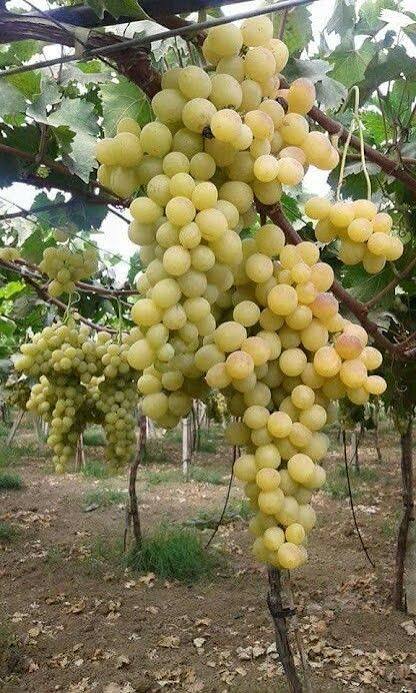
Grape fruit and grapevine (Vitis vinifera)
📖 Grape in the Holy Quran
Grapes are mentioned in several passages of the Holy Quran. They are presented among the blessings and provisions provided by Allah for humanity.
The Quran draws attention to gardens containing grapevines and other crops as signs of creation, provision, and divine wisdom.
Grapes are also mentioned in descriptions of Paradise, where gardens and fruits represent abundance and reward.
📜 Quranic References
Surah An-Nahl — 16:11
Through rain, Allah causes crops, olives, date palms, grapes, and many kinds of fruits to grow for people.
Reference: Quran 16:11
Surah Al-Mu'minun — 23:19
The Quran describes gardens containing date palms and grapevines, from which people receive fruits and sustenance.
Reference: Quran 23:19
Surah Al-Isra — 17:91
Grapevines are mentioned among gardens that people might wish to have as a blessing and provision.
Reference: Quran 17:91
Surah Ya-Sin — 36:34
The Quran points to gardens containing date palms and grapevines and the fruits produced from them.
Reference: Quran 36:34
Surah An-Naba — 78:32
The Quran describes gardens and grapevines among the blessings prepared for the righteous.
Reference: Quran 78:32
🌿 Botanical Information
Scientific Name
Vitis vinifera
Family
Vitaceae
Genus
Vitis
Common Name
Grape
Plant Type
Woody perennial vine
Fruit Type
Berry
🔬 Description of the Grape Plant
The grapevine is a woody perennial climbing vine belonging to the family Vitaceae. It develops long stems that can climb or spread across supporting structures.
Grape leaves are generally broad and lobed. The plant produces clusters of small flowers, which develop into grape berries after pollination.
Grapes can vary considerably in colour, size, flavour, and texture. Depending on the cultivar, the berries may be green, yellow, red, purple, blue-black, or nearly black.
🌍 History and Origin
Grapevines have a very long history of cultivation by human societies. The domesticated grape, Vitis vinifera, has been cultivated for thousands of years.
Grapes have played important roles in agriculture, food traditions, trade, and cultural practices across regions of Europe, western Asia, Northern Pakistan (Gilgit Baltistan) and the Mediterranean.
Today, grape cultivation is widespread and different varieties are grown in many parts of the world.
🥗 Nutritional Value of Grapes
Grapes contain water, naturally occurring carbohydrates, dietary fibre, vitamins, minerals, and various plant compounds.
💧 Water
Grapes have a high water content, contributing to their refreshing nature.
🍇 Natural Carbohydrates
Grapes contain naturally occurring sugars that provide energy.
🌱 Plant Compounds
Grapes contain naturally occurring polyphenolic compounds and other phytochemicals.
🧬 Vitamins and Minerals
Grapes provide several micronutrients, although amounts vary by variety and serving size.
🍇 Traditional and Modern Uses
Grapes are commonly eaten fresh and are also used in a wide range of food products.
- Fresh fruit
- Raisins and other dried grape products
- Grape juice
- Jams and preserves
- Cooking and food preparation
- Production of grape seed oil
❤️ Health and Scientific Significance
Grapes have attracted considerable scientific interest because they contain a variety of naturally occurring plant compounds.
Research has investigated compounds found in grapes, including polyphenols such as resveratrol and other flavonoid-related compounds.
These compounds are being studied for their antioxidant properties and their possible roles in human health.
Important: Nutritional and traditional uses should not be interpreted as a guarantee that grapes or grape products can prevent or treat a disease. Medical decisions should be based on reliable scientific and professional medical guidance.
🌱 Importance in Agriculture
Grapevines are economically important crops in many regions. Grapes are cultivated for fresh consumption as well as for dried and processed products.
Successful grape cultivation depends on factors such as climate, soil conditions, water management, sunlight, cultivar selection, pruning, and disease management.
💡 Interesting Facts About Grapes
🍇 Ancient Crop
Grapes have been cultivated by humans for thousands of years.
🌿 A Vine
Grapevines are woody climbing plants that can grow along supports.
🎨 Many Colours
Grapes occur naturally in many colours, depending on species and cultivar.
🌍 Worldwide Cultivation
Grapes are cultivated in many countries around the world.
🌿 Reflection
The repeated mention of grapes in the Holy Quran invites reflection on the natural world and the sources of food and sustenance available to humanity.
From a botanical perspective, the grapevine is an example of a complex plant system that produces nutritious fruit and supports agricultural livelihoods across many regions.
Studying plants mentioned in the Quran can therefore provide an opportunity to explore both their religious significance and their botanical and scientific characteristics.
⚠️ Educational Disclaimer
This page is provided for educational and informational purposes. The information presented here should not be considered medical advice.
Quranic references are presented for educational discussion and should be understood in their appropriate religious and textual context.
For medical, dietary, agricultural, or other important decisions, consult appropriate qualified professionals and reliable sources.