🌿 Basil
Ocimum basilicum L.
Basil, also known as sweet basil or Rehan, is an aromatic plant widely cultivated for its fragrant leaves and traditional culinary and cultural uses. It is also associated with the Quranic reference to sweet-scented plants.
🌿 Botanical Information
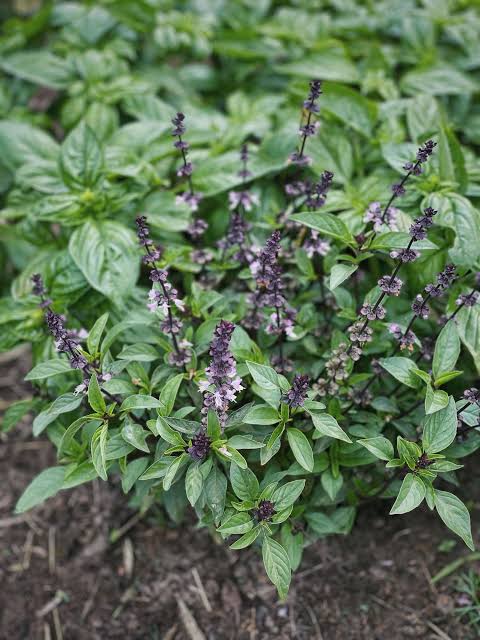
Basil is scientifically known as Ocimum basilicum L.. It belongs to the family Lamiaceae and is widely cultivated as an aromatic herb.
Scientific Classification
- Kingdom: Plantae
- Family: Lamiaceae
- Genus: Ocimum
- Species: Ocimum basilicum L.
- English name: Sweet Basil / Basil
- Arabic name: Rehan
- Hindi name: Ramtulsi
🌱 Description of Basil
Basil is an aromatic herb recognized for its characteristic fragrance. Its leaves are commonly used as an herb and are valued for their distinctive aroma.
Different varieties of basil may differ in leaf shape, colour, fragrance and growth characteristics.
The plant produces flowers and aromatic foliage containing volatile compounds that contribute to its characteristic scent.
🌍 Distribution and Cultivation
According to the supplied botanical information, basil is cultivated extensively in Southern, Central and Eastern Europe, North Africa and the United States, particularly California.
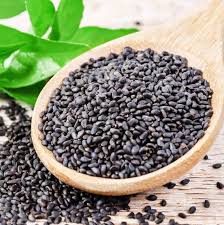
Basil can be cultivated as an aromatic herb in suitable climates and is grown for its leaves, seeds and flowers.
🍃 Parts Used
The leaves, seeds and flowers of basil are traditionally utilized for various culinary, aromatic and traditional applications.
🧪 Chemical Constituents
Basil contains an essential oil with various aromatic constituents. The supplied information lists monoterpene derivatives including camphor, limonene, thymol, citral, geraniol, linalool, methyl chavicol, eugenol, methyl eugenol, geranial and neral.
The supplied information also lists phenolic derivatives including eugenol, methyl chavicol and methyl cinnamate, together with other allylphenolic derivatives.
The composition of basil essential oil can vary according to variety, cultivation conditions, geographical origin and other factors.
🌿 Traditional and Medicinal Uses
According to the supplied information, basil has traditionally been used in connection with several applications.
- Insect repelling
- Traditional use related to cold and cough
- Traditional use related to bronchitis
- Traditional applications involving burns
- Traditional applications involving certain skin diseases
These traditional uses should not be interpreted as proof that basil can treat or cure a medical condition.
📖 Basil / Rehan in the Holy Quran
Basil is associated with the Arabic term Rayhan (ريحان), commonly translated in different contexts as fragrant or sweet-scented plants. The supplied reference connects this concept with Surah Ar-Rahman.
Surah 55. Ar-Rahman — Ayahs 10–13
10. And the earth: He has put down (laid) for the creatures.
11. Therein are fruits and date-palms producing sheathed fruit-stalks (enclosing dates).
12. And also corn, with (its) leaves and stalks for fodder, and sweet-scented plants.
13. Then which of the Blessing of your Lord will you both (jinn and men) deny.
The Quranic passage mentions sweet-scented plants in the context of the blessings and provisions found in creation. The identification of this reference specifically with Ocimum basilicum should be treated with care, as the Arabic term Rayhan has broader linguistic and botanical interpretations.
📜 Cultural and Traditional Importance
Basil has been valued in different cultures for its fragrance, culinary applications and traditional uses. Its aromatic leaves have made it an important herb in many food and cultural traditions.
The plant's characteristic fragrance also makes it relevant to discussions of aromatic and sweet-scented plants.
🔬 Modern Scientific Research
Modern research has investigated the chemical composition and biological properties of basil and its essential oil. Particular attention has been given to aromatic compounds and phenolic constituents.
Research findings can vary depending on the plant variety, extraction method, growing conditions and chemical composition of the plant material.
⚠️ Important Information
The information on this page is provided for educational purposes only. Traditional uses and references to scientific research should not be interpreted as medical advice.
Do not use basil or basil preparations as a substitute for prescribed medical treatment. Consult a qualified healthcare professional regarding medical conditions, allergies, pregnancy, medications or other health concerns.
🌍 Environmental and Agricultural Importance
Basil is an important aromatic herb that can be cultivated in gardens and agricultural settings. Its flowers may also provide resources for pollinating insects.
Sustainable cultivation practices can help support plant diversity and responsible use of aromatic and medicinal herbs.
🔬 Why Study Basil?
Basil is important from botanical, agricultural, culinary, cultural and phytochemical perspectives.
Studying basil provides an opportunity to explore aromatic plants, essential oils, traditional plant uses, chemical constituents and the relationship between plants and human cultures.