🧄 Garlic
Allium sativum L.
Garlic is an important cultivated plant widely used as a food, spice and traditional medicinal plant. It is also associated with a reference to fum in the Holy Quran.
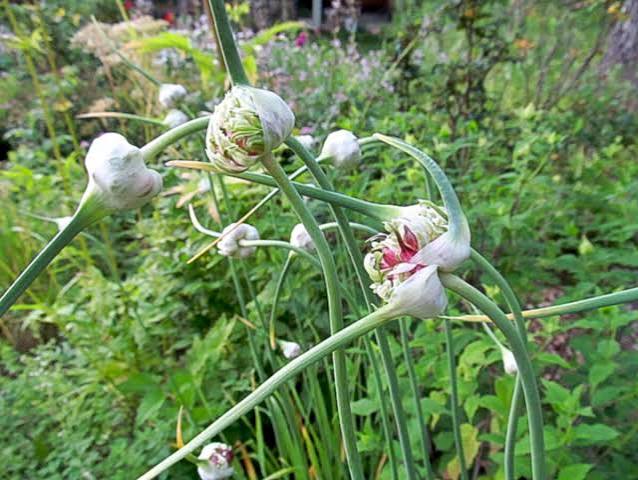
🌿 Botanical Information
Garlic is scientifically known as Allium sativum L.. It is a bulb-forming plant belonging to the genus Allium.
Plant Information
- Scientific name: Allium sativum L.
- Arabic name: Soom
- English name: Garlic
- Hindi name: Lahson
- Family: Alliaceae
- Part used: Bulb
🌱 Description of Garlic
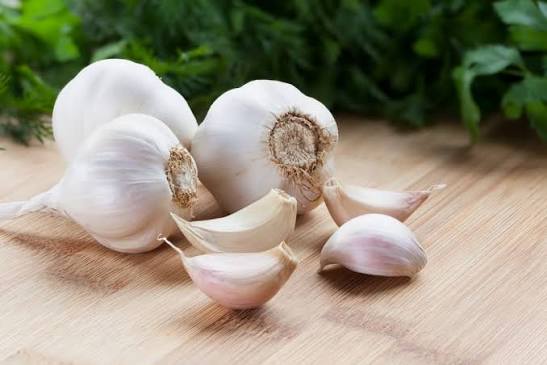
Garlic is a bulb-forming plant cultivated widely for its characteristic flavour and culinary value. The underground bulb consists of several cloves enclosed within protective outer layers.
The bulb is the principal part used as a food ingredient, spice and in various traditional applications.
Garlic belongs to the genus Allium, a group that includes several important cultivated plants.
🌍 Distribution and Cultivation
According to the supplied source information, garlic is cultivated in several parts of the world.
Reported areas include:
- Egypt
- Italy
- France
- India
- Pakistan
- China
- United States of America
Garlic is now cultivated extensively in many regions because of its importance as a food crop and spice.
📜 Historical and Cultural Importance
Garlic has been cultivated and used by human societies for a very long time. Its strong flavour and distinctive aroma have made it an important ingredient in many traditional cuisines.
In addition to culinary use, garlic has also been associated with traditional medicinal practices in different cultures.
🧪 Chemical Constituents
According to the supplied information, garlic contains a variety of chemical and nutritional constituents.
The reported constituents include:
- Cordinine A and B
- Saponins
- Allicin
- Allylpropyldisulphide
- Glucosides of kaempferol
- Glucosides of quercetin
- Sterols
- Hydrocarbons
- Starch
- Mucilaginous matter
- Albumin
- Calcium
- Iron
- Vitamin C
- Volatile oil
Some of these compounds, particularly sulfur-containing constituents, contribute to the characteristic aroma and flavour of garlic.
🌿 Traditional Medicinal Uses
The supplied source describes garlic as having a number of traditional medicinal applications.
Reported traditional uses include:
- Anthelmintic use
- Hypertension
- Stimulant
- Gastritis
- Antiseptic applications
- Antimicrobial applications
These uses represent traditional or reported applications from the supplied source and should not be interpreted as established medical treatments.
📖 Garlic and the Holy Quran
Garlic is associated with the word fum mentioned in the Quran in Surah Al-Baqarah, Ayah 61. The exact botanical identification of fum has been discussed by scholars and translators, with interpretations including garlic and, in some translations, wheat or other grain.
Surah 2. Al-Baqarah — Ayah 61
And (remember) when you said, “O Musa (Moses)! We cannot endure one kind of food. So invoke your Lord for us to bring forth for us of what the earth grows, its herbs, its cucumbers, its fum (wheat or garlic), its lentils and its onion.”
He said, "Would you exchange that which is better for that which is lower? Go you down to any town and you shall find what you want!"
And they were covered with humiliation and misery, and they drew on themselves the Wrath of Allah. That was because they used to disbelieve the Ayat of Allah and killed the Prophets wrongfully. That was because they disobeyed and used to transgress the bounds in their disobedience.
📌 Note on the Quranic Reference
The Quranic word fum in Surah Al-Baqarah 2:61 is interpreted differently in some translations. Some translations identify it as garlic, while others give an alternative interpretation such as wheat.
Therefore, this page presents garlic as a plant associated with this Quranic reference rather than claiming that the botanical identity is universally agreed upon.
🍽️ Nutritional and Culinary Importance
Garlic is widely used as a culinary ingredient because of its distinctive taste and aroma. Garlic cloves can be used fresh, cooked, dried or processed in different food products.
It is commonly incorporated into sauces, vegetables, meat dishes, soups and many traditional cuisines around the world.
🔬 Scientific Research
Garlic has attracted considerable scientific interest because of its sulfur-containing compounds and other naturally occurring constituents.
Compounds such as allicin and related sulfur-containing substances have been investigated in laboratory and nutritional research.
Research continues to examine the biological properties and potential applications of garlic and its constituents.
⚠️ Important Information
Information on this page is provided for educational purposes only. Traditional medicinal uses and scientific research should not be interpreted as medical advice.
Garlic should not be used as a substitute for prescribed medical treatment. Anyone with a medical condition, medication concerns or dietary restrictions should consult a qualified healthcare professional.
🌍 Agricultural Importance
Garlic is an economically important cultivated crop in many parts of the world. Its widespread culinary use creates demand for both fresh bulbs and processed garlic products.
Its cultivation also contributes to agricultural diversity and supports food systems in many regions.
🔬 Why Study Garlic?
Garlic is important from botanical, agricultural, culinary, nutritional, historical and cultural perspectives.
Studying garlic provides an opportunity to explore the relationship between plants, traditional knowledge, food systems and scientific research.