🧅 Onion
Allium cepa L.
Onion is one of the most widely cultivated edible plants in the world. It has been valued for centuries as a food, aromatic plant, and traditional medicinal plant. Onion is also mentioned in the Holy Quran in Surah Al-Baqarah.
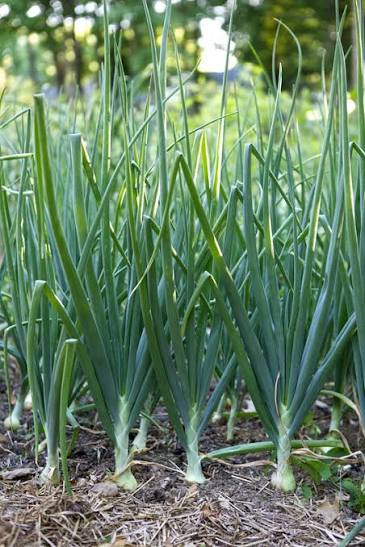
🌿 Botanical Information
The onion is scientifically known as Allium cepa L.. It belongs to the genus Allium.
Onion is a bulb-forming plant cultivated extensively as a vegetable and culinary crop. It is widely grown in different parts of the world and is an important component of many traditional food systems.
Scientific Classification
- Kingdom: Plantae
- Family: Liliaceae*
- Genus: Allium
- Species: Allium cepa
- Arabic name: Basal
- English name: Onion
- Hindi name: Pyaj
*The supplied source identifies the family as Liliaceae. Modern botanical classifications may place Allium in Amaryllidaceae, subfamily Allioideae.
🌱 Description of the Onion Plant
Onion is a herbaceous plant known especially for its underground bulb. The bulb consists of fleshy modified leaf bases that store nutrients for the plant.
The plant produces long, narrow, green leaves. Under suitable conditions, mature plants can produce a flowering stalk bearing an umbel of small flowers.
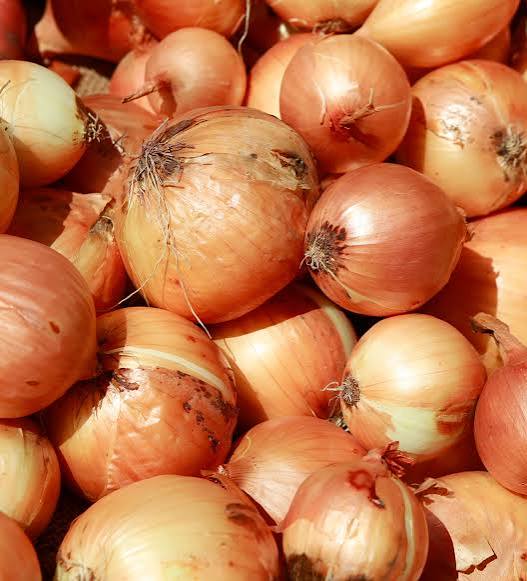
The onion bulb varies in size, shape, and colour depending on the cultivar. Common bulb colours include white, yellow, and red or purple.
🌍 Distribution
Onion is cultivated extensively across many regions of the world. According to the supplied information, its distribution includes:
- India
- Pakistan
- China
- Russia
- America
- Europe
Because of its importance as a food crop, onion is now cultivated in numerous countries with suitable agricultural conditions.
🌿 Parts Used
The supplied source identifies the following parts of the plant as being used:
- Rhizome
- Leaves
- Seeds
The principal edible structure of the cultivated onion is the bulb.
🧪 Chemical Constituents
According to the supplied information, onion bulbs contain volatile oil with sulphurous constituents and a variety of other nutritional and plant compounds.
Reported Constituents
- Allyl propyl disulphide
- Allicin
- Alliin
- Flavonoids
- Phenolic acids
- Sterols
- Diphenylamine
- Protein
- Carbohydrates
- Calcium
- Iron
- Vitamins A, B and C
The characteristic aroma and pungency of onion are strongly associated with its sulphur-containing compounds and volatile constituents.
🌿 Traditional Medicinal Uses
The supplied source reports a wide range of traditional uses and properties associated with onion. These include:
- Pungent and aromatic properties
- Antimicrobial applications
- Inflammation-related traditional uses
- Appetizer
- Carminative
- Diuretic
- Expectorant
- Emollient
- Emmenagogue
- Anodyne
- Tonic
- Traditional use for flatulence
- Traditional use for bronchitis
- Traditional use for wounds
- Traditional use for rheumatism
- Traditional use for skin conditions
- Traditional use associated with tumors
- Traditional use associated with urinary complaints
- Traditional use associated with dental caries
- Traditional use associated with baldness
- Traditional use associated with epilepsy
- Traditional use associated with malaria
- Traditional use associated with paralysis
- Traditional use associated with arthralgia
⚠️ Important Health Information
The medicinal uses listed on this page are derived from the supplied traditional-use information and are presented for educational purposes only.
Traditional use does not necessarily establish that a plant product is effective or safe for treating a particular disease. The information should not be interpreted as medical advice or as a substitute for professional medical treatment.
Do not use onion or onion preparations to treat a medical condition without appropriate professional guidance.
📖 Onion in the Holy Quran
Onion is mentioned in the Holy Quran in the account of the Children of Israel and Prophet Musa (Moses).
Surah Al-Baqarah — 2:61
The verse describes the request of the Children of Israel for different foods from the produce of the earth, including herbs, cucumbers, fum, lentils and onions.
The onion is specifically mentioned among the foods they requested.
Quranic Reference
Surah 2 — Al-Baqarah, Ayah 61
“And remember when you said, ‘O Moses, we can never endure one kind of food. So call upon your Lord to bring forth for us from the earth its herbs, cucumbers, garlic, lentils, and onions.’”
The verse continues with the response of Prophet Musa and describes the consequences of their conduct.
🍽️ Food and Culinary Importance
Onion is one of the most commonly used culinary plants worldwide. Its bulbs are consumed fresh, cooked, dried, pickled, or incorporated into a wide variety of dishes.
Onion contributes characteristic flavour and aroma to soups, sauces, vegetables, meat dishes, salads and many traditional cuisines.
❤️ Nutritional Importance
Onion provides carbohydrates and various micronutrients. It also contains naturally occurring plant compounds, including flavonoids and sulphur-containing compounds.
As part of a varied and balanced diet, onions can contribute to overall dietary diversity and nutritional intake.
📜 Historical and Cultural Importance
Onion has been an important food plant in human agriculture and cuisine for a very long period. Its strong flavour, storage properties and versatility have contributed to its importance in different food cultures.
Its mention in the Holy Quran also gives the onion a particular place in discussions concerning plants and foods mentioned in Islamic scripture.
🌍 Environmental and Agricultural Importance
Onion is an important agricultural crop cultivated on a large scale in many parts of the world. Its relatively compact growth habit allows it to be incorporated into different farming systems.
Sustainable cultivation practices, appropriate irrigation, soil management and responsible use of agricultural inputs can contribute to efficient onion production.
🔬 Why Study the Onion Plant?
Onion is important from botanical, agricultural, nutritional, culinary, cultural and historical perspectives.
Studying onion provides an opportunity to explore plant chemistry, food systems, traditional plant knowledge, agricultural production and the role of plants in human civilization.
Its reference in the Holy Quran also makes it relevant to the study of plants mentioned in Islamic scripture.