🥒 Cucumber
Cucumis sativus L.
Cucumber is an important cultivated plant mentioned in the Holy Quran. It has been grown and consumed in many parts of the world and has also been used in traditional practices.
🌿 Botanical Information
Cucumber, scientifically known as Cucumis sativus L., is a cultivated plant belonging to the family Cucurbitaceae.
It is widely grown for its edible fruits and is commonly cultivated in tropical, subtropical and temperate regions.
Scientific Classification
- Kingdom: Plantae
- Family: Cucurbitaceae
- Genus: Cucumis
- Species: Cucumis sativus
- Common name: Cucumber
📝 Names of Cucumber
- Scientific name: Cucumis sativus L.
- Arabic names: Qissa, Khiarun
- English name: Cucumber
- Hindi name: Khira / Kakari
- Family: Cucurbitaceae
🌱 Description of the Cucumber Plant
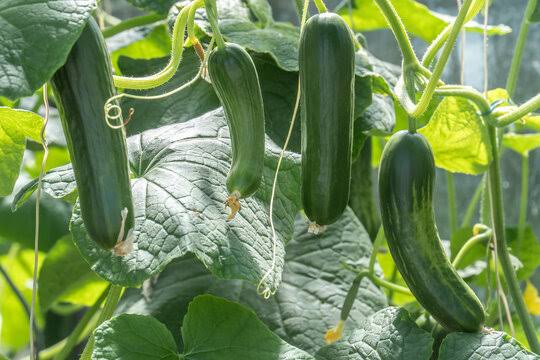
Cucumber is a cultivated herbaceous plant that produces elongated edible fruits. The plant generally grows as a trailing or climbing vine and produces broad leaves and yellow flowers.
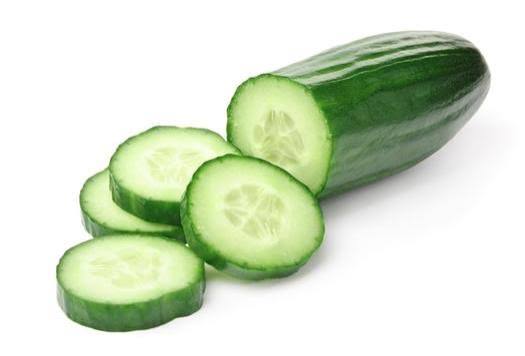
The cucumber fruit is commonly green when harvested and contains a high proportion of water. Different varieties vary in size, shape, colour and surface characteristics.
🌍 Distribution
Cucumber is cultivated throughout tropical and subtropical countries of the world. It is also widely grown commercially and in home gardens in many other regions.
Modern cultivation has resulted in numerous varieties adapted to different climates and agricultural conditions.
🌿 Parts Used
According to the supplied traditional plant information, the main part used is the fruit.
📜 History and Cultural Importance
Cucumber has a long history of cultivation and consumption in human food systems. It is commonly eaten fresh, pickled, or incorporated into different dishes.
Its widespread cultivation reflects its importance as a food crop in warm and temperate agricultural regions.
📖 Cucumber in the Holy Quran
Cucumber is mentioned in the context of the foods requested by the Children of Israel in the account of Prophet Musa (Moses), peace be upon him.
Surah Al-Baqarah — 2:61
“And when you said, ‘O Moses, we can never endure one kind of food. So call upon your Lord to bring forth for us some of what the earth produces—its herbs, cucumbers, garlic, lentils, and onions.’”
This verse mentions cucumber among the foods requested by the Children of Israel.
🧪 Chemical Constituents
The supplied traditional plant information reports the following constituents associated with different parts of the cucumber plant:
Fruit
- Rutin
Seeds
- Glucosides, including cucurbitasides
Leaves
- Free cucurbitasides B and C
- Ferredoxin
- Alpha-spinasterol
Flowers
- Free and bound sterols
- Proteolytic enzymes
- Ascorbic acid oxidase
- Succinic dehydrogenase
- Malic dehydrogenase
Chemical composition can vary according to the plant part, cultivar, growing conditions and stage of development.
🌿 Traditional Medicinal Uses
The supplied traditional source describes cucumber as being associated with the following traditional uses and properties:
- Haemostatic applications
- Diuretic use
- Purgative use
- Refrigerant properties
- Nutritive use
- Antipyretic use
- Burning sensation
- Fever
- General debility
- Haemorrhages
- Insomnia
- Jaundice
- Strangury
- Constipation
- Renal calculus
- Bronchitis
🥒 Nutritional and Food Importance
Cucumber is widely consumed as a fresh vegetable and is valued for its refreshing texture and high water content.
It can be eaten raw, added to salads and prepared in pickled forms. Its nutritional composition makes it a common component of many diets.
❤️ Health and Scientific Research
Modern research continues to investigate the chemical constituents and biological properties of cucumber and other plants in the Cucurbitaceae family.
However, traditional medicinal claims should be distinguished from established clinical evidence. The presence of a particular chemical constituent does not by itself prove that a plant product can treat a disease.
⚠️ Important Information
The medicinal uses described on this page represent traditional or historical claims supplied for educational purposes. They should not be interpreted as medical advice or proof of clinical effectiveness.
Do not use cucumber or any plant preparation as a substitute for prescribed medical treatment. Anyone with a medical condition or dietary concern should consult a qualified healthcare professional.
🌍 Environmental and Agricultural Importance
Cucumber is an important horticultural crop cultivated in many regions of the world. Its cultivation contributes to local food production and agricultural diversity.
Sustainable cultivation practices can help maintain soil health, conserve water and support productive agricultural systems.
🔬 Why Study Cucumber?
Cucumber is significant from botanical, agricultural, nutritional, cultural and historical perspectives.
Its mention in the Holy Quran also makes it an interesting subject for studying the relationship between plants, food traditions and historical human civilizations.