🌿 Camphor Tree
Cinnamomum camphora
The Camphor tree is an aromatic evergreen tree known for its distinctive fragrance and the production of camphor. The Quran mentions Kafur in the description of a drink associated with Paradise.
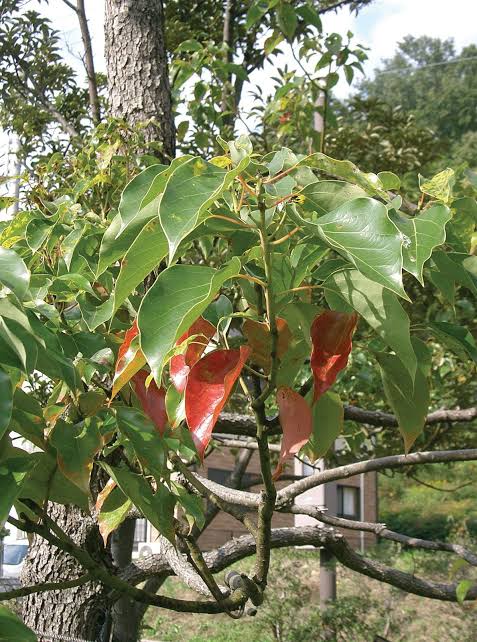
🌿 Botanical Information
The Camphor tree is identified in the supplied source as Cinnamomum camphora. It belongs to the family Lauraceae and is an aromatic tree cultivated in several parts of Asia.
Names
- Scientific name: Cinnamomum camphora
- Arabic name: Kafoor
- English name: Camphor tree
- Hindi name: Kapur
- Family: Lauraceae
Plant Parts Used
According to the supplied source, the leaves and branches are used.
🌱 Description of the Camphor Tree
The Camphor tree is an aromatic evergreen plant. It is recognized particularly for its characteristic fragrance and the aromatic substances associated with different parts of the plant.
The plant belongs to the Lauraceae family, a botanical family that includes several aromatic trees and shrubs.
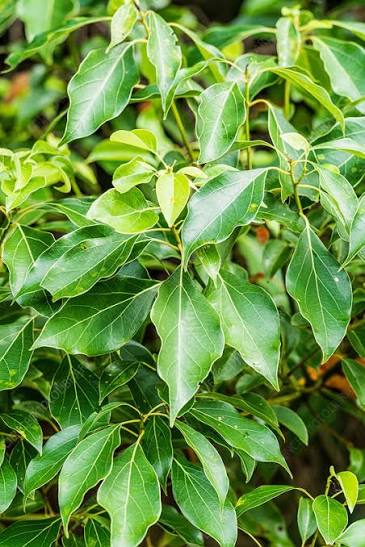
🌍 Distribution
According to the supplied source, the Camphor tree is cultivated in:
- India
- Sri Lanka
- Japan
- China
Its cultivation in these regions reflects the historical importance of aromatic plants in Asian agricultural and traditional systems.
🧪 Chemical Constituents
Different parts of the Camphor tree contain various naturally occurring chemical constituents. According to the supplied source, the reported constituents include:
Essential Oil
The essential oil contains compounds described in the source as sesquiterpenes, including camphorenone and campherenol.
Roots
The roots are reported to contain alkaloids including laurolitsine and reticuline.
Leaves
The leaves are reported to contain palmitone.
Heartwood
The heartwood is reported to contain cyclopentenone.
🌿 Traditional Medicinal Uses
The supplied source reports traditional medicinal uses associated with Camphor and preparations from the plant.
- Bronchial asthma
- Hysteria
- Satyriasis
- Nocturnal emission
- Spermatorrhea
- Scorpion stings
- Colic
- Diarrhea
- Dysentery
- Nausea
- Vomiting
📖 Camphor (Kafur) in the Holy Quran
The Holy Quran mentions Kafur in the description of a drink prepared for the righteous in Paradise.
Surah Ad-Dahr (Al-Insan) — 76:5–6
5. Verily, the Abrar (the pious and righteous), shall drink of a cup (of wine) mixed with (water from a spring in Paradise called) Kafur.
6. A spring wherefrom the slaves of Allah will drink, causing it to gush forth abundantly.
The term Kafur is commonly translated as "camphor" in English translations. The Quranic reference describes Kafur in the context of a spring or a quality associated with a drink in Paradise.
🕌 Quranic Significance
The reference to Kafur occurs in Surah Ad-Dahr (also known as Surah Al-Insan), verses 5–6. These verses describe a drink for the righteous that is mixed with Kafur and mention a spring from which the servants of Allah drink.
The Quranic description is a religious reference and should be distinguished from botanical descriptions of the Camphor tree and its chemical constituents.
📜 Historical and Cultural Importance
Camphor has had a long history of use in Asian cultures. Its distinctive fragrance and aromatic properties have contributed to its use in traditional practices, household applications and cultural settings.
The Camphor tree is also valued as a source of aromatic materials and has been cultivated in several Asian countries.
⚠️ Important Information
The medicinal uses listed on this page are reported traditional uses from the supplied source and should not be interpreted as proven medical treatments.
Camphor can be harmful if improperly used or swallowed in inappropriate amounts. Do not use camphor or camphor-containing preparations as a substitute for professional medical treatment.
Always consult a qualified healthcare professional before using plant-derived substances for medical purposes.
🔬 Why Study the Camphor Tree?
The Camphor tree is significant from botanical, chemical, cultural and historical perspectives.
Studying Cinnamomum camphora provides an opportunity to explore aromatic plant chemistry, traditional plant use, botanical diversity and the cultural history of plants associated with the term Kafur.