🌿 Eucalyptus
Eucalyptus
Eucalyptus is a large and diverse group of evergreen trees and shrubs best known for their aromatic leaves, distinctive bark, attractive flowers, and ecological importance. Most Eucalyptus species are native to Australia and nearby regions.
🌿 Botanical Information
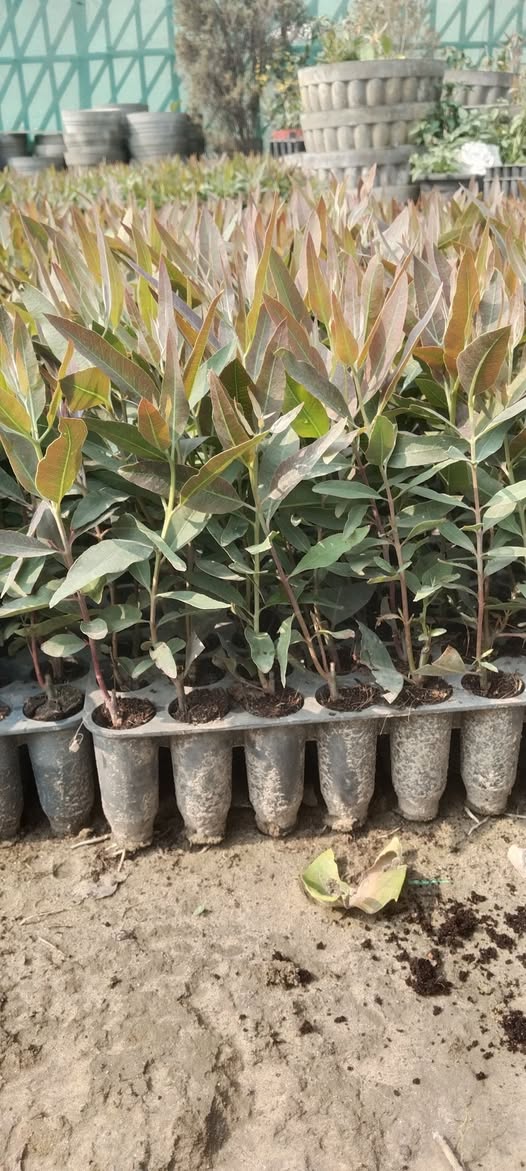
Eucalyptus is a large genus of flowering plants belonging to the myrtle family, Myrtaceae.
The genus contains hundreds of species ranging from small shrubs to some of the tallest flowering trees in the world. Eucalyptus species are highly diverse and adapted to many Australian environments.
Scientific Classification
- Kingdom: Plantae
- Family: Myrtaceae
- Genus: Eucalyptus
- Common name: Eucalyptus
- Plant type: Evergreen tree or shrub
🌳 Eucalyptus Species
Eucalyptus contains a very large number of species, each with different characteristics and geographic distributions.
Some well-known species include:
- Eucalyptus globulus — Tasmanian blue gum
- Eucalyptus camaldulensis — river red gum
- Eucalyptus citriodora — lemon-scented gum
- Eucalyptus regnans — mountain ash
The exact species is important because eucalyptus trees differ in appearance, habitat, chemical composition, and practical uses.
🌳 Description of Eucalyptus
Eucalyptus trees can range from small, shrubby plants to enormous forest trees. Their trunks may have smooth, rough, fibrous, or peeling bark depending on the species.
Many eucalyptus species have aromatic foliage containing volatile oils. The leaves can change shape as the tree matures, with young foliage often differing considerably from adult leaves.
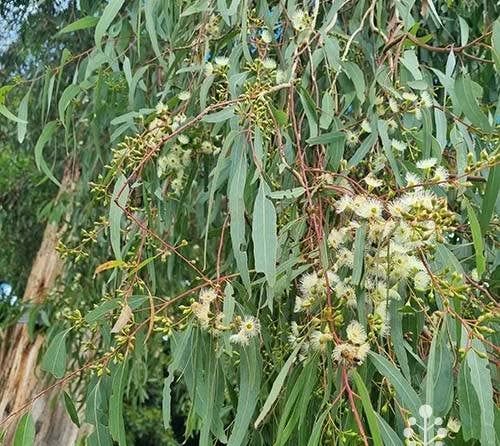
Eucalyptus flowers are usually composed of numerous prominent stamens. They may be white, cream, yellow, pink, or red depending on the species.
🌍 Native Region and Distribution
Most Eucalyptus species are native to Australia. They also occur naturally in Tasmania and nearby islands, with some related species occurring in parts of Southeast Asia and the Pacific.
Eucalyptus has been introduced and cultivated in many countries because of its rapid growth, timber value, ornamental qualities, and adaptability to different environments.
Individual species have specific environmental requirements, so their suitability varies according to climate and soil.
📜 History and Cultural Importance
*the leaves release a fresh ,medicinal scent that can improve air quality and provide a pleasant atmosphere.
*eucalyptus oil extracted from the leaves is used in the remedies for respiratory issues , skin care and insect repellents.
*the tree grow quickly, providing shade and windbreak benefits in a short time . *their unique slender leaves are used in floral arrangements. * they can help with soil erosion control
🍃 Eucalyptus Leaves
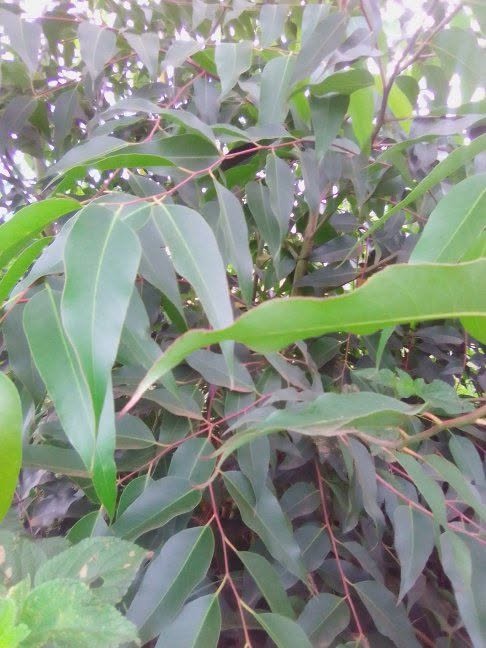
Eucalyptus leaves are one of the most distinctive characteristics of the genus. Many mature leaves are elongated, leathery, and aromatic.
The leaves contain oil glands that produce volatile compounds responsible for the characteristic eucalyptus aroma.
In many species, juvenile leaves are arranged differently from adult leaves and may have a broader or more rounded shape.
🌸 Eucalyptus Flowers
Eucalyptus flowers are distinctive because their many stamens are often more visually prominent than their petals.
Flower colours include white, cream, yellow, pink, and red, depending on the species.
The flowers produce nectar and can attract bees, birds, butterflies, and other pollinating animals.
🌳 Eucalyptus Bark
Bark characteristics vary greatly among eucalyptus species. Some trees have persistent rough bark, while others have smooth bark that peels away in strips or patches.
Bark appearance can be an important feature when identifying eucalyptus species, especially when combined with leaves, flowers, fruit, and habitat.
🌿 Traditional Uses
Different eucalyptus species have been used traditionally for timber, tools, construction materials, aromatic preparations, cultural purposes, and other applications.
Traditional Knowledge
Indigenous Australian communities have extensive traditional knowledge involving native eucalyptus species. Uses vary according to the species, region, and cultural tradition.
Traditional uses should be distinguished from scientifically established medical treatments. Not every traditional application has been clinically demonstrated to be effective.
🧪 Eucalyptus Oil
Some eucalyptus species are important sources of essential oil. Eucalyptus oil is obtained from plant material through processes such as steam distillation.
The composition of eucalyptus oil varies between species and can include compounds such as 1,8-cineole, also known as eucalyptol, depending on the plant.
Eucalyptus oil is widely used in fragrances, cleaning products, cosmetics, and certain topical and inhaled preparations.
🧪 Chemical Constituents
Eucalyptus leaves contain essential oils and other naturally occurring plant compounds.
Depending on the species, important compounds can include monoterpenes, sesquiterpenes, phenolic compounds, flavonoids, and tannins.
The chemical composition varies according to species, plant part, environmental conditions, and extraction method.
🔬 Scientific Research
Eucalyptus has been extensively studied in botanical, ecological, forestry, pharmaceutical, and natural-product research.
Research has investigated eucalyptus oils and extracts for antimicrobial, antioxidant, anti-inflammatory, and other biological properties.
Evidence varies depending on the species, preparation, dose, and research design. Laboratory findings should not automatically be interpreted as proven medical benefits in humans.
🌍 Ecological Importance
Eucalyptus forests support diverse ecosystems, particularly in Australia. Their flowers provide nectar for insects, birds, and other animals.
Eucalyptus trees also provide nesting sites, shelter, shade, and other habitat resources for wildlife.
Many Australian animals have evolved close relationships with eucalyptus-dominated ecosystems.
🔥 Eucalyptus and Fire Ecology
Fire is an important ecological factor in many Australian eucalyptus ecosystems.
Some eucalyptus species possess adaptations that allow them to recover after fire, including dormant buds protected beneath bark or underground structures.
However, eucalyptus oil-rich foliage can also contribute to flammability under dry conditions. Fire behaviour depends on vegetation, weather, fuel conditions, and landscape factors.
🌱 Cultivation
Eucalyptus cultivation depends on the species. Many species grow best in full sunlight and well-drained soil.
Some eucalyptus trees grow rapidly and can become very large. Appropriate space should therefore be provided when planting them.
Species selection should take local climate, rainfall, soil, available space, and environmental conditions into consideration.
💼 Economic Importance
Eucalyptus is economically important in forestry and timber production in many parts of the world.
Eucalyptus wood can be used for construction, furniture, flooring, pulp, paper, fuelwood, and other products depending on the species.
Eucalyptus-derived essential oils and other products are also used commercially in fragrances, cosmetics, cleaning products, and related industries.
🐦 Eucalyptus and Wildlife
Eucalyptus trees provide important food and habitat resources for many Australian animals.
Their flowers are rich in nectar and can support bees, birds, insects, and other nectar-feeding organisms.
Healthy eucalyptus forests also provide nesting and shelter opportunities for many wildlife species.
🔎 How to Identify Eucalyptus
Identification should be based on several characteristics because the genus contains many species with different appearances.
- Aromatic evergreen foliage
- Distinctive juvenile and adult leaves in many species
- Flowers with numerous prominent stamens
- Woody seed capsules
- Variable bark, including smooth or rough types
- Often tall tree growth
- Strong characteristic eucalyptus aroma in many species
For accurate species identification, examine the leaves, bark, flowers, fruit capsules, growth form, habitat, and geographic location together.
🌱 Conservation
Eucalyptus species face different conservation challenges depending on their geographic range and habitat.
Habitat loss, land-use change, altered fire regimes, invasive species, pests, diseases, and climate change can affect native eucalyptus ecosystems.
Protecting native forests and maintaining healthy ecosystems are important for conserving eucalyptus biodiversity and the wildlife that depends on these forests.
⚠️ Important Information
Eucalyptus is a large and diverse genus. Different species can have significantly different chemical compositions, properties, and uses.
Concentrated eucalyptus oil can be harmful if swallowed and should be kept away from children and used according to appropriate safety instructions.
Eucalyptus products should not be used to treat medical conditions without appropriate professional guidance.
🔬 Why Study Eucalyptus?
Eucalyptus is important from botanical, ecological, forestry, agricultural, economic, cultural, and environmental perspectives.
Studying eucalyptus helps us understand plant adaptation, forest ecosystems, fire ecology, plant chemistry, wildlife relationships, sustainable forestry, and conservation.