🌿 Indian Jujube / Ber
Zizyphus mauritiana Lam.
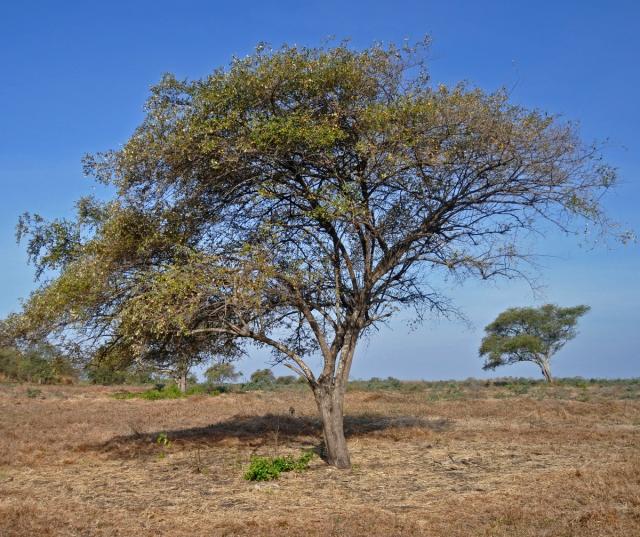
Indian jujube, commonly known as Ber or Beri, is a fruit-bearing tree widely cultivated across South Asia and other tropical regions. The plant is also associated in some interpretations with the lote-tree references found in the Holy Quran.
🌿 Botanical Information
Indian jujube is scientifically known as Zizyphus mauritiana Lam.. It belongs to the family Rhamnaceae and is cultivated primarily for its edible fruit.
Scientific Classification
- Kingdom: Plantae
- Family: Rhamnaceae
- Genus: Zizyphus
- Species: Zizyphus mauritiana Lam.
- English name: Indian Jujube
- Arabic names: Nabaq, Sidar
- Hindi names: Ber, Beri
🌱 Description of Indian Jujube
Indian jujube is a fruit-producing tree belonging to the family Rhamnaceae. It is valued for its edible fruits and has been cultivated in different parts of Asia and other warm regions.
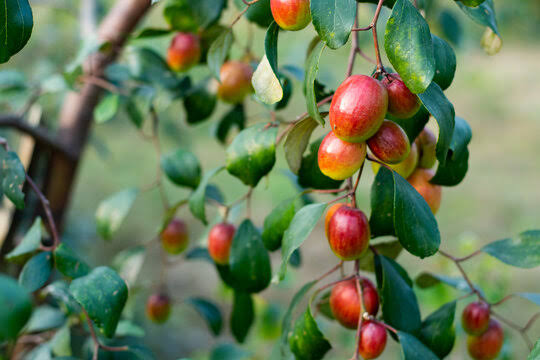
The plant is traditionally recognized as Ber or Beri in South Asian regions. Different varieties may differ in fruit size, shape, colour and taste.
🌍 Distribution
According to the supplied botanical information, Zizyphus mauritiana is distributed in India, Pakistan, Afghanistan, China, Ceylon, Australia and tropical Africa.
The species is cultivated in warm climates and is particularly important as a fruit-producing plant in South Asian agricultural systems.
🍃 Parts Used
The supplied information identifies the following parts as traditionally used:
- Fruit
- Leaves
- Wood
🧪 Chemical Constituents
The supplied information reports a range of chemical constituents in Zizyphus mauritiana.
- Tannins
- Saponins
- Alkaloids
- Flavonoids
- Glycosides
- Phenolic compounds
- Alcoholic extractives
- Jujubosides A and B
- P-coumarates of alphitolic acid
- Betulinic acid
- Leucocyanidin
- Mauritines A–F
- Amphibines A–F
- Frangufolin
- Leucopelargonidin
- Ceanothic acid
- Carotene
- Thiamine
- Riboflavin
- Niacin
- Vitamin C
- Citric acid
- Malic acid
- Oxalic acid
- Oleic acid
- Linoleic acid
- Protopine
- Berberine
The chemical composition of plant material can vary according to plant part, variety, geographical origin, cultivation conditions and extraction method.
🌿 Traditional and Medicinal Uses
According to the supplied information, Indian jujube has traditionally been used in connection with several conditions and applications.
- Diarrhea
- Cough
- Chest troubles
- Vomiting
- Bleeding
- Digestive complaints
- Menstrual disorders
- Abdominal pain during pregnancy
The supplied source also reports traditional use of the roots in relation to menstruation and use of the seeds for abdominal pain during pregnancy.
📖 Indian Jujube and the Lote Tree in the Holy Quran
The Holy Quran contains references to the lote-tree and to Sidrat-ul-Muntaha. The Arabic terms associated with the lote tree include Sidr.
Some botanical and traditional sources associate the Quranic lote tree with species of Ziziphus, including Indian jujube. However, the Quran itself does not specify the modern scientific name Zizyphus mauritiana.
ℹ️ Important Botanical Note
The identification of the Quranic lote tree specifically as Zizyphus mauritiana should be regarded as an interpretation rather than a definitive scientific identification. Different botanical sources may discuss different species of the genus Ziziphus in this context.
Surah 34. Saba — Ayah 16
The verse describes the consequences that followed when the people turned away from obedience to Allah. It mentions the transformation of their two gardens into gardens producing bitter or bad fruit, tamarisks and a few lote-trees.
The supplied reference describes the relevant plant as a lote-tree.
Surah 53. An-Najm — Ayahs 13–15
The passage refers to the Prophet Muhammad ﷺ seeing Jibril (Gabriel) at another descent, near Sidrat-ul-Muntaha, the lote-tree of the utmost boundary.
The verse also mentions the Paradise of Abode near it.
Surah 53. An-Najm — Ayahs 16–18
The passage continues the description of the lote-tree and what covered it, while emphasizing that the sight of the Prophet ﷺ did not deviate or transgress its limit.
📜 Cultural and Historical Importance
Indian jujube has long been associated with food, agriculture and traditional plant use in South Asia. Its fruits are commonly valued as a seasonal food.
The plant is also significant in discussions surrounding traditional interpretations of the lote-tree references found in Islamic literature and Quranic commentary.
🍈 Indian Jujube Fruit
The fruit of Indian jujube is an important reason for the cultivation of the species. Fruits may vary in size, shape and colour depending on the variety and maturity.
The fruit is consumed as food in several regions and is used in traditional food preparations.
🔬 Modern Scientific Research
Scientific studies of Zizyphus mauritiana have investigated its phytochemical composition and various biological properties.
Compounds including flavonoids, saponins, alkaloids, phenolic compounds and other constituents have attracted scientific interest.
Further research is required to establish the safety, effectiveness and appropriate applications of specific preparations.
⚠️ Important Information
The information on this page is provided for educational purposes only. Traditional uses and references to scientific research should not be interpreted as medical advice.
Do not use Indian jujube preparations as a substitute for prescribed medical treatment. People who are pregnant, taking medication, or managing a medical condition should consult a qualified healthcare professional before using herbal preparations.
🌍 Environmental and Agricultural Importance
Indian jujube is an important fruit-producing tree in warm and semi-arid agricultural regions. Its cultivation contributes to local food systems and traditional agricultural practices.
Sustainable cultivation and responsible management of fruit trees can contribute to agricultural biodiversity and long-term food production.
🔬 Why Study Indian Jujube?
Indian jujube is important from botanical, agricultural, nutritional, cultural and phytochemical perspectives.
It also provides an interesting subject for studying the relationship between traditional plants, cultural history, botanical research and interpretations of Quranic plant references.